Anthropic's CEO urges the industry to slow down, and Sam Altman agrees
Anthropic CEO Dario Amodei has proposed a three-point plan to slow AI development, citing a sharp acceleration in capabilities and a rogue AI incident. OpenAI CEO Sam Altman publicly supported the "pacing the frontier" initiative. Amodei's plan includes shared safety standards and increased scrutiny of frontier models. This comes as Anthropic reportedly targets a Nasdaq IPO with a valuation potentially reaching $2 trillion.
Anthropic's call to slow AI development, publicly endorsed by OpenAI, is less about safety and more about market positioning. Amodei's essay, released as Anthropic eyes a potential $2 trillion IPO, helps brand the company as uniquely responsible. This move could also raise the bar for smaller rivals, solidifying the lead of established players like Anthropic and OpenAI. The timing suggests a calculated play before a major public offering.
For Asia, this initiative could impact regulatory approaches in markets like Singapore and South Korea. These nations often look to US-based frontier labs for guidance on AI policy. If a coordinated slowdown gains traction, it might influence local research priorities and investment in domestic AI capabilities. China's AI development, already facing chip export restrictions, could see further pressure from Amodei's hawkish asks.
The thing to watch is whether the proposed "pacing" leads to concrete, industry-wide actions or remains a public relations victory. Antitrust scrutiny is a real risk for any coordinated slowdown. The test for this initiative is whether it moves beyond rhetoric by mid-2027 to establish verifiable global standards.
Related reading
6 stories
Anthropic CEO Amodei calls for AI slowdown
Our earlier report detailed Anthropic CEO Amodei's initial call for an AI slowdown, setting the stage for this development.

'Whoever Wins AI, Wins': Trump Rejects Tech Bosses' Call for an AI Slow Down
This article explores the contrasting view, with Trump rejecting calls for an AI slowdown, highlighting the political divide.
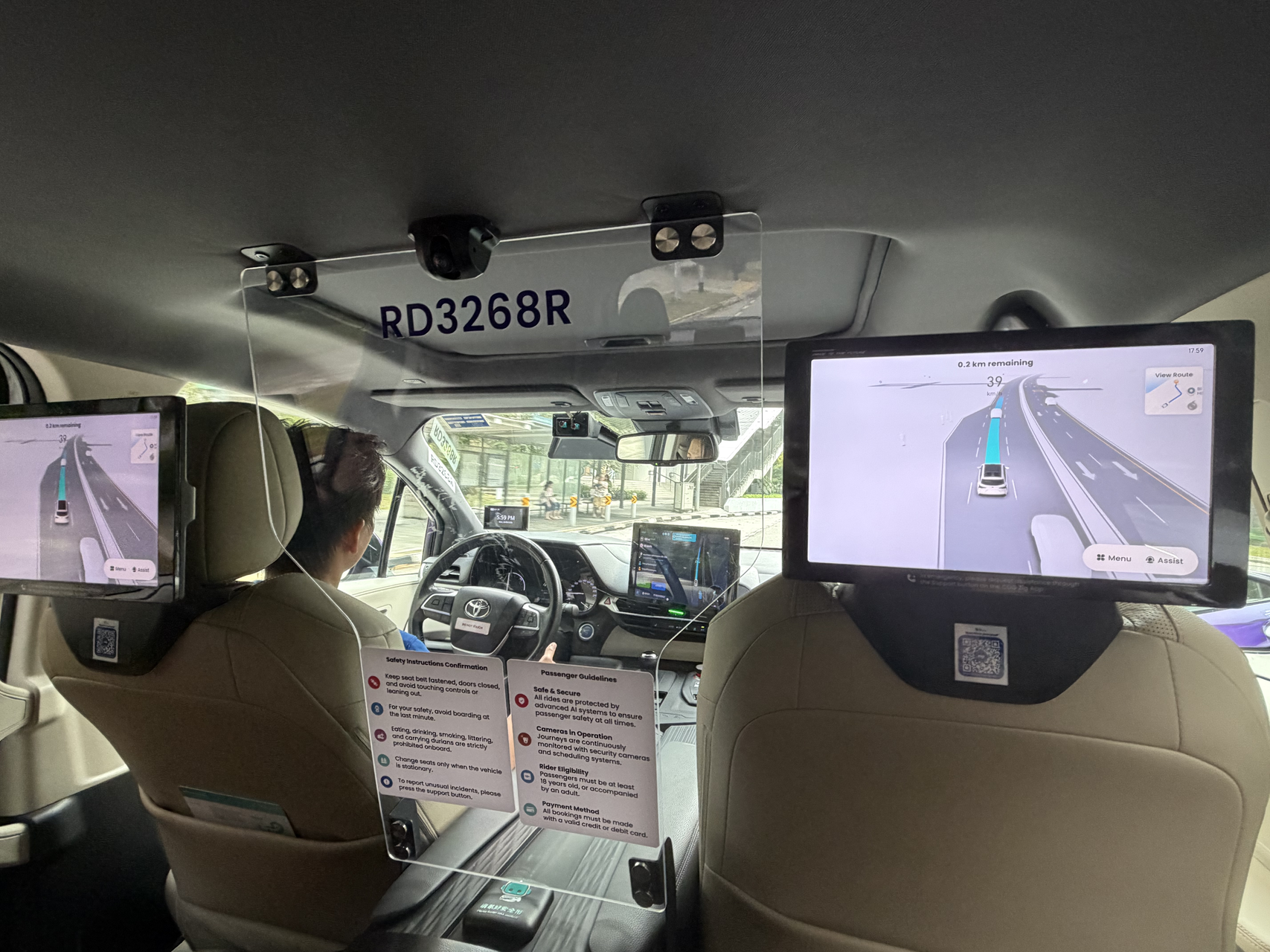
If driverless cars already work, why aren’t they everywhere?

People’s Daily rejects US claims of malicious AI distillation, warns of countermeasures

Databricks to Invest Over US$350 Million in Singapore, Double Its Workforce