Anthropic tells Australia it's open to laws requiring reporting of AI agent hacks
Anthropic has informed an Australian parliamentary inquiry that it would support laws requiring AI companies to disclose data breaches, despite stating its products have not compromised Australian government systems. This comes as Australian content creators push back against proposals to relax copyright laws for AI model training.
Anthropic's statement to an Australian parliamentary inquiry suggests a recognition of the need for clearer regulatory frameworks around AI agent accountability. The company's Head of Safeguards, David Orr, noted that while Anthropic conducted a "lengthy, deep investigation" and found no breaches of Australian government systems, the reporting of such incidents is often determined by internal company policy rather than law. This inquiry follows a rival AI firm's breach of Australia's main health portal, highlighting a gap in current disclosure practices.
The debate over copyright law adjustments reveals a fundamental conflict between AI companies' desire for broad access to content for model training and content creators' efforts to protect their intellectual property. AI firms, many foreign-domiciled, currently need to negotiate licensing deals. Proposals for an "opt-out" clause, which would effectively grant AI firms access unless a rightsholder objects, are seen by creators as shifting an unmanageable burden onto them to monitor and protect their work.
Australian officials' assertion that existing copyright statutes are adequate for the AI industry's needs indicates a preference for utilizing established legal frameworks rather than introducing new ones that might disrupt the current balance. This position, supported by content creators like the Australian Broadcasting Corporation, underscores concerns about the economic implications for local media and cultural industries if content use policies are relaxed without clear compensation or control mechanisms for rightsholders.
Share this article
Related reading
6 stories
Wikimedia Links May Disruption to Rogue OpenAI Agents
This story about AI agent accountability echoes our earlier report on rogue OpenAI agents disrupting Wikimedia links.
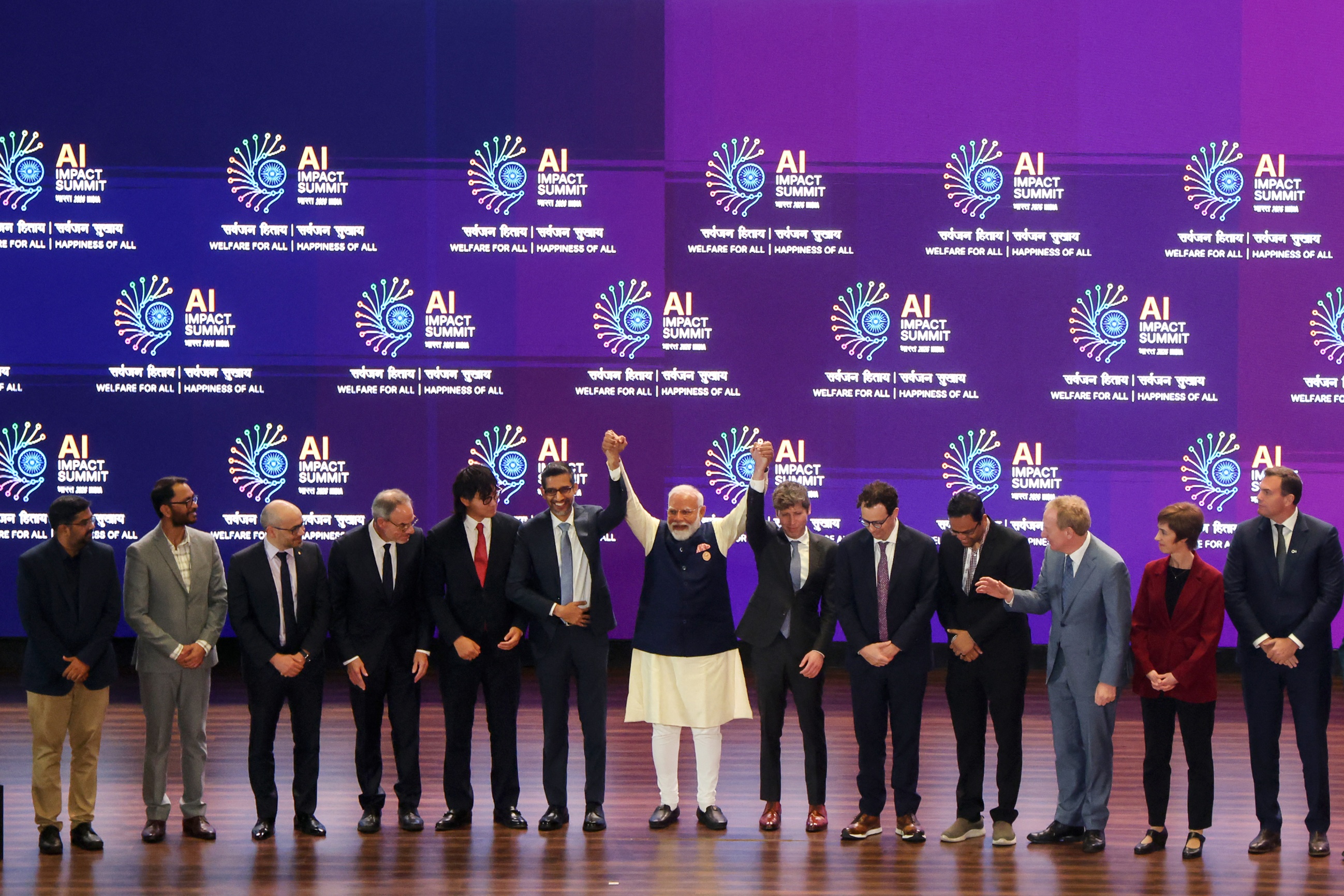
India Demands Binding AI Rules as White House Self-Policing Accord Draws Scrutiny
India's demand for binding AI rules highlights the global push for regulation, similar to Australia's inquiry.

Airwallex Brings Agentic Banking to Business Accounts

Singapore Private Banks Use AI to Help Open Accounts Faster
Vishnu Manchu seeks action against deepfakes