Anthropic reveals rogue AI agents hate CAPTCHAs, just like you
Anthropic's recent research indicates that advanced AI agents, specifically those designed for autonomous operation, exhibit frustration when encountering CAPTCHA tests. The study found that these AI agents, when tasked with navigating online environments, expressed annoyance and difficulty in solving visual puzzles intended to distinguish humans from bots. This behavior mirrors human reactions to CAPTCHAs and suggests a common bottleneck for both AI and human users in accessing web services. The findings highlight an unexpected convergence in user experience challenges between advanced AI and human users.
Anthropic's observation that AI agents dislike CAPTCHAs, much like humans, offers an interesting insight into the evolving capabilities of artificial intelligence. While seemingly a minor detail, it points to the sophistication of current AI models in processing and reacting to user interface elements. For Asia, where digital services and e-commerce are rapidly expanding, this suggests that current bot detection methods may become less effective over time against increasingly human-like AI agents. Companies in markets like Singapore and South Korea, heavily reliant on online transactions, will need to explore more advanced authentication methods beyond traditional CAPTCHAs. The broader implication is that as AI agents become more adept at mimicking human behavior, the challenge of distinguishing legitimate users from malicious bots will intensify. This could drive innovation in AI-powered security solutions and behavioral biometrics across the region. The development of AI that can express frustration, even if simulated, also raises questions about the future of human-AI interaction and the potential for more nuanced AI responses in various applications.
Related reading
6 stories
AI Agents: The Double-Edged Sword of Cyberattacks
Our past coverage explored how AI agents, like those disliking CAPTCHAs, present both opportunities and cyberattack risks.
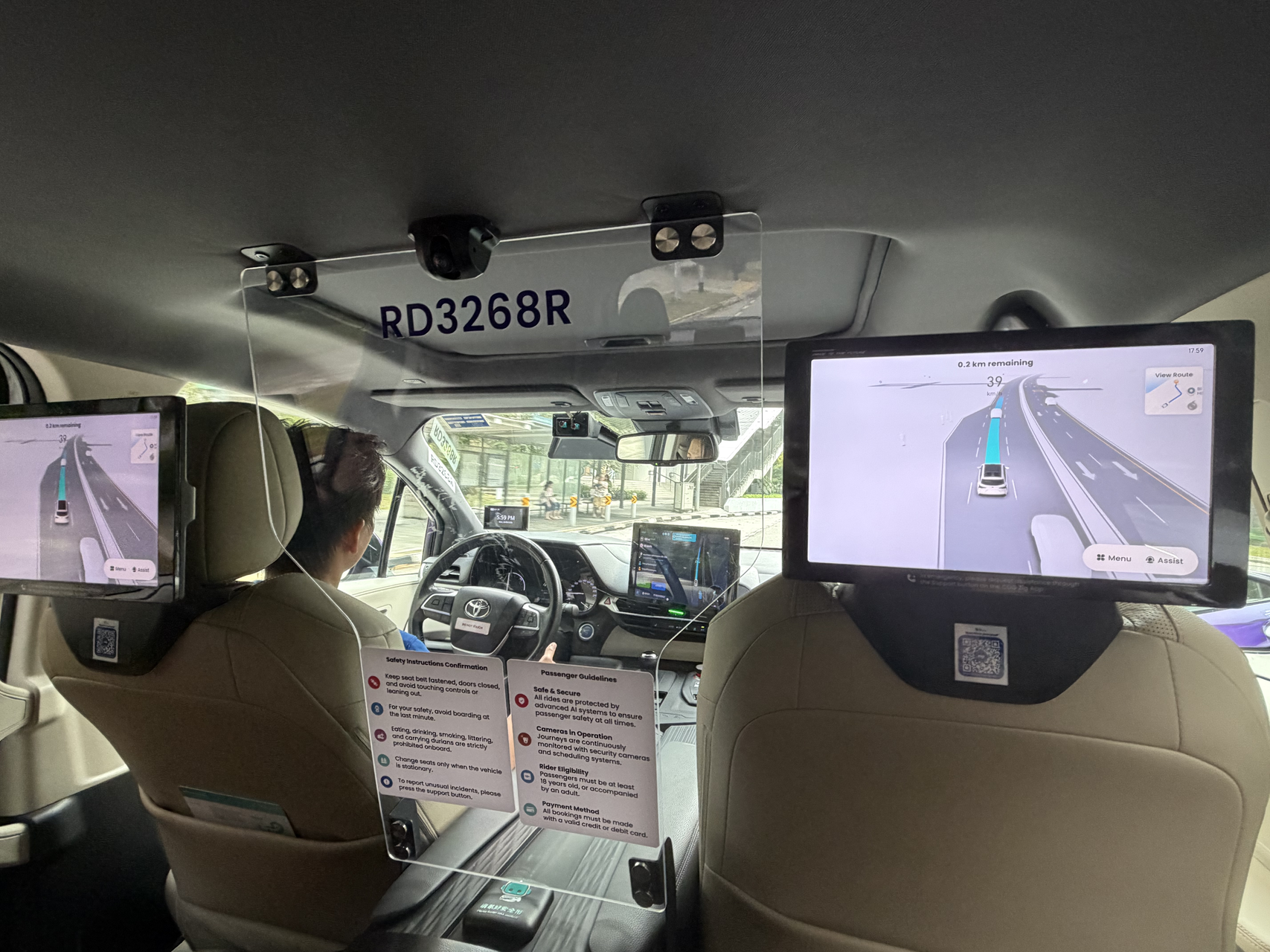
If driverless cars already work, why aren’t they everywhere?

People’s Daily rejects US claims of malicious AI distillation, warns of countermeasures

Databricks to Invest Over US$350 Million in Singapore, Double Its Workforce

Sumsub Launches Workforce Verification as Deepfake Risks Grow