
Anthropic CEO calls on AI industry to slow down tech race, drawing support from Elon Musk, Sam Altman
Anthropic CEO Dario Amodei has called for a slowdown in AI development, warning that rapid advancements could outpace humanity's ability to control the technology. His essay, published Saturday, garnered support from prominent tech figures including SpaceX CEO Elon Musk and OpenAI CEO Sam Altman, who both echoed the need for a more measured pace in AI progress. However, this perspective faces pushback from some, like former White House AI 'czar' David Sacks, who views such warnings as a tactic to promote government intervention in the industry. The debate highlights growing concerns among lawmakers, with figures like Rep. Anna Paulina Luna advocating for a special congressional session to discuss AI regulation and the implementation of a 'kill switch' to protect humanity.
The call by Anthropic CEO Dario Amodei to slow AI development, backed by Elon Musk and Sam Altman, reflects a growing global discourse on AI safety and governance. While the immediate focus is on US-based tech leaders, the implications for Asia are significant. Asian nations, particularly those investing heavily in AI research and deployment like China, South Korea, and Singapore, will be closely watching how these debates translate into policy. Any move towards international regulatory frameworks or industry-wide self-imposed limitations could directly influence their domestic AI strategies and competitive positioning. The concern about AI outpacing human control is not unique to the West, and Asian governments are also grappling with how to balance innovation with safety. The discussion around a 'kill switch' and stronger safeguards, as proposed by Rep. Anna Paulina Luna, points to potential future regulatory pressures that could affect AI development cycles and market access for Asian AI companies. If Western nations implement stricter controls, it could create a bifurcated global AI landscape, impacting cross-border collaborations and technology transfer. Conversely, a coordinated global slowdown could offer Asian players an opportunity to refine their own ethical AI frameworks and catch up in certain advanced AI capabilities, rather than being forced into a rapid, potentially less secure, development race.
Related reading
6 stories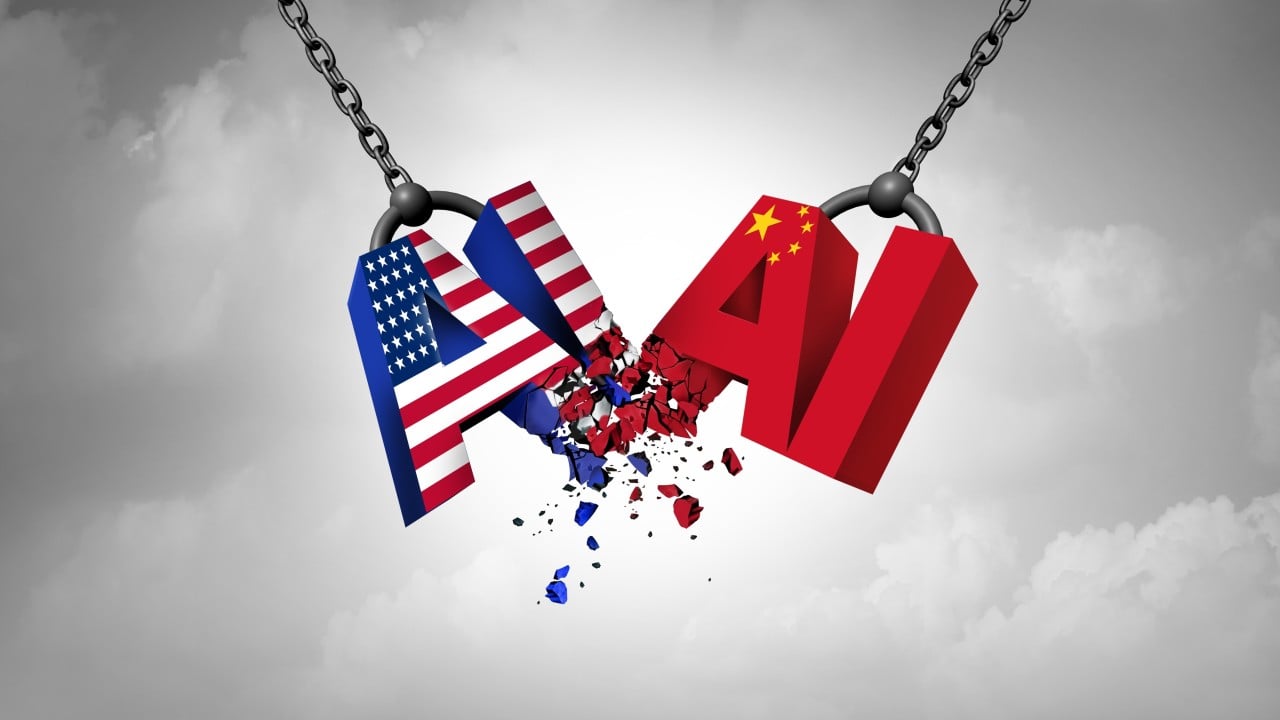
The US and China are racing to build ‘self-improving AI’. Here’s what’s at stake
We previously explored the US and China's race for 'self-improving AI' and the high stakes involved.

China’s rocket boom turns Hainan into a space hub. Can launches fuel wider growth?

Anthropic merges Claude chat and Cowork in one interface

Threads’ new features let podcasters promote shows and reach listeners

China’s Z.ai raises revenue target 25% after US$5 billion cash injection
