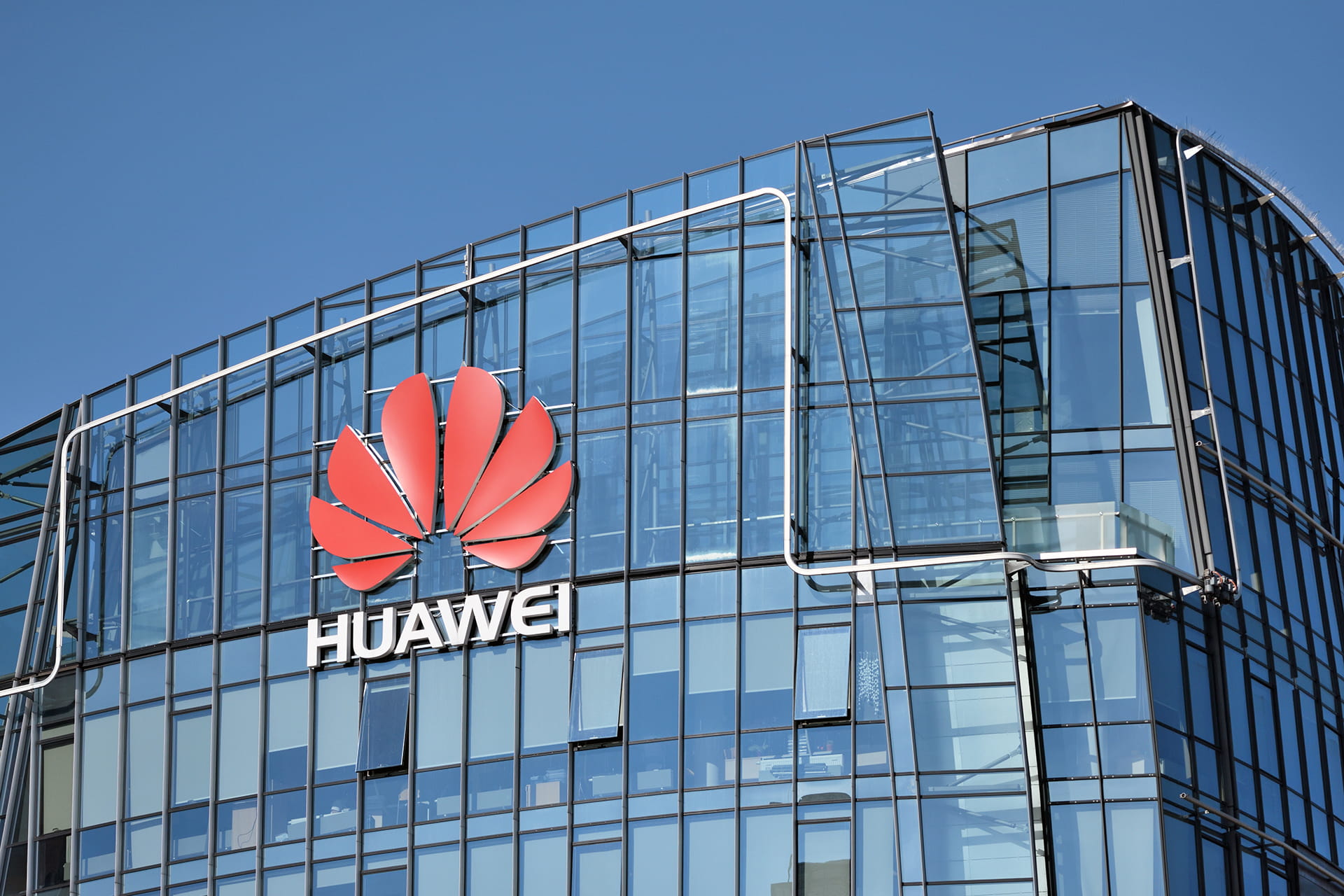
Another ‘DeepSeek moment’? Huawei milestone alters China trajectory in chip race: analysts
Huawei Technologies has unveiled a significant breakthrough in chip architecture, introducing the Tau (τ) Scaling Law. This innovation, according to the Chinese tech giant, lays the groundwork for achieving transistor density equivalent to a 1.4-nanometre process in high-end chips by 2031. Analysts suggest this development represents a major step towards China’s semiconductor self-sufficiency, effectively circumventing US sanctions. This advancement provides Beijing with substantial new leverage in its ongoing technological competition with Washington, potentially reshaping the global chip landscape.
Huawei's new Tau Scaling Law marks a pivotal moment for China's semiconductor industry, directly addressing the limitations imposed by US sanctions. By proposing a path to 1.4-nanometre equivalent density, Huawei is not just innovating but actively redefining the parameters of chip development within a constrained environment. This move signals a deeper commitment to indigenous technological advancement and could accelerate China's broader self-reliance goals in critical tech sectors, reducing its vulnerability to external pressures. For Asia's tech ecosystem, this development could foster increased domestic investment in R&D, potentially leading to a more diversified and resilient regional supply chain.
The implications extend beyond just chip manufacturing. A self-sufficient China in semiconductors could alter global market dynamics, potentially creating new competitive landscapes and supply chain configurations. Other Asian nations may observe this trajectory closely, considering their own strategic dependencies and opportunities for collaboration or competition within the evolving tech sphere. This 'DeepSeek moment' for Huawei underscores a broader trend of technological nationalism and the strategic importance of foundational technologies in geopolitical competition.
Related reading
6 stories
People’s Daily rejects US claims of malicious AI distillation, warns of countermeasures

Databricks to Invest Over US$350 Million in Singapore, Double Its Workforce
ByteDance’s AI-enhanced short-drama app eclipses China’s Netflix rivals combined

Personetics Launches AI Banking Console for Relationship Managers

Anthropic Sets October Launch for Singapore Office With Local Hiring Planned