
Amodei and Huang Spar Over AI Rules at Dreamforce, Extending Industry Rift
Anthropic CEO Dario Amodei and Nvidia CEO Jensen Huang publicly disagreed on AI regulation at the Dreamforce conference in San Francisco. Amodei called for industry-wide safety standards and greater transparency, citing the auto industry as an analogy. Huang countered that market forces are sufficient for safety and no new laws are needed. The debate extends a running dispute between AI model developers and chipmakers.
The clash between Anthropic and Nvidia on AI regulation shows a growing divide. Amodei's call for global standards, outlined in his essay on September 12, directly challenges Huang's market-driven approach. This is not a simple disagreement; it reflects fundamental differences in how AI model developers and chipmakers view their responsibilities and the future of the industry.
For Asia, this divergence means continued uncertainty for regulators. Countries like Korea and Singapore are developing their own AI frameworks. They will need to choose between a more interventionist, standards-based model favored by Amodei, or a lighter touch that allows market forces to dictate safety. The decision will impact local AI startups and their ability to compete globally.
The thing to watch is how major Asian tech players respond. If a company like Samsung or TSMC publicly backs either Amodei's or Huang's position, it could sway regional policy. Their stance will show whether they prioritize rapid innovation or a more controlled, safety-first development path.
Related reading
6 stories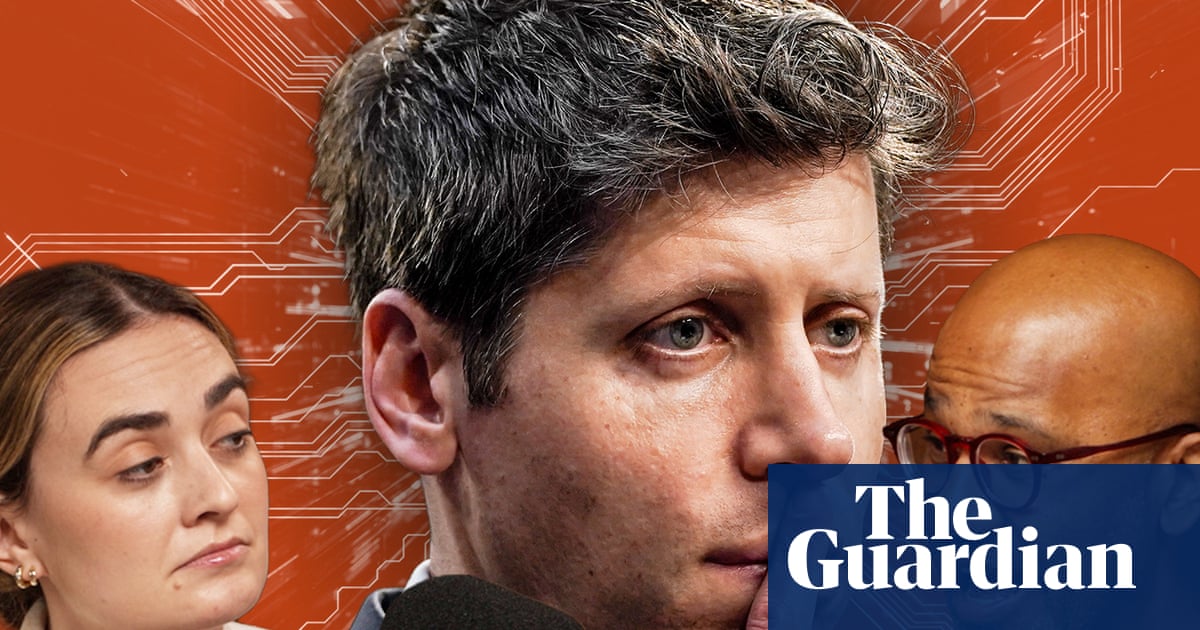
Why the real AI apocalypse is already here – Stateside with Kai and Carter
Our columnists debated the real-world implications of AI's rapid development and regulatory challenges.

Why South Korea is giving 51 million people unlimited AI
South Korea's approach to AI access offers a contrasting view to the regulatory debate.
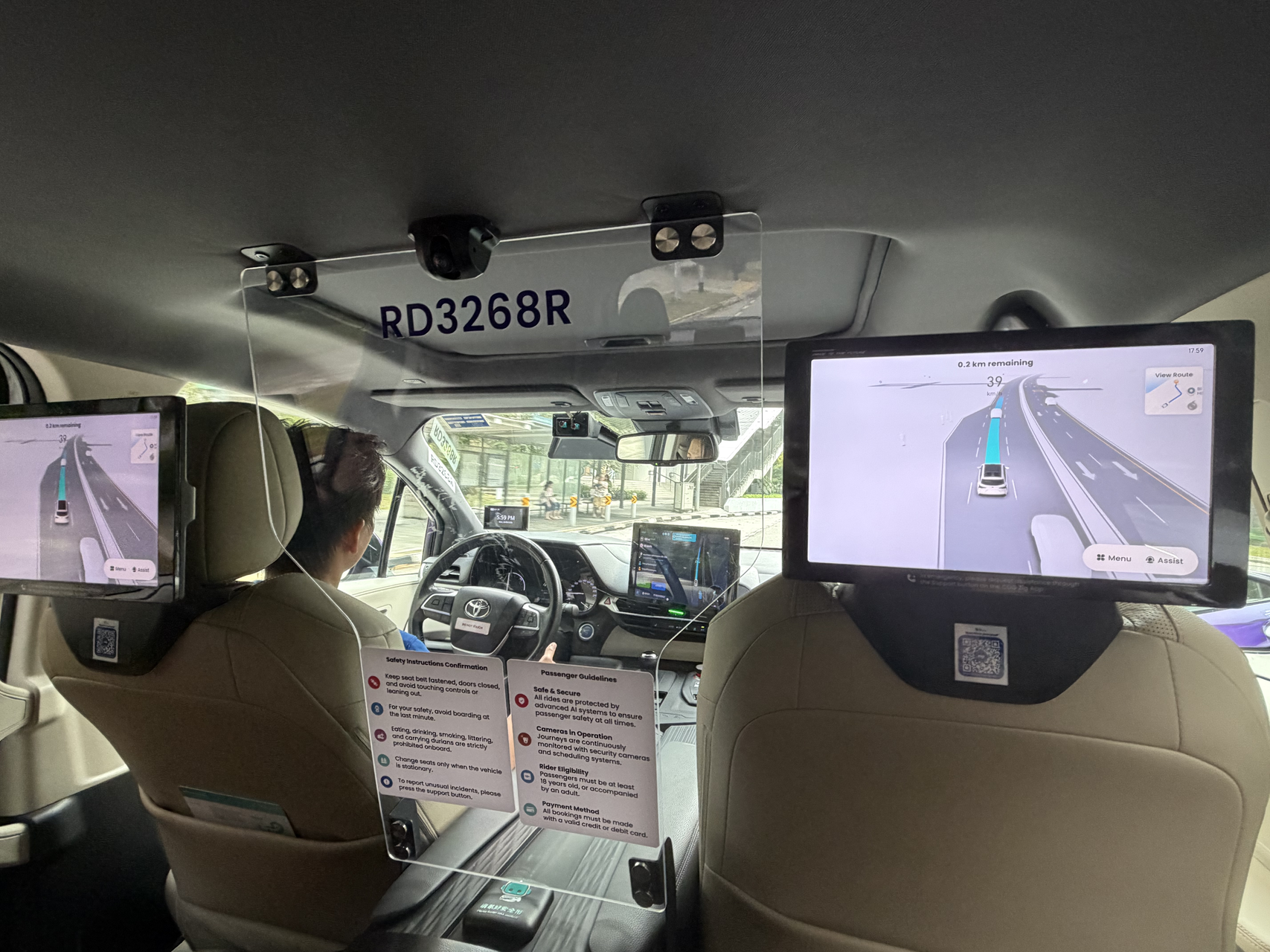
If driverless cars already work, why aren’t they everywhere?

Sumsub Launches Workforce Verification as Deepfake Risks Grow
ByteDance’s AI-enhanced short-drama app eclipses China’s Netflix rivals combined
