
AMD's 'Zen 6' Architecture Detailed: EPYC Data Center Chips Get Dibs, But Ryzens Might Benefit, Too
AMD has detailed its upcoming 'Zen 6' microarchitecture, which is reported to include features such as the potential for 12-core chiplets, increased L3 cache, and PCI Express 6.0 support. These advancements are expected to debut first in the company's EPYC server chips, with a possibility that future Ryzen processors for consumer markets could also integrate some of these capabilities.
AMD's 'Zen 6' architecture, initially slated for EPYC server chips, reflects a design focus on high-performance data center environments. EPYC processors are engineered for demanding enterprise workloads, where factors like core count, memory access speed, and data throughput are critical. The reported features, such as the potential for 12-core chiplets, more L3 cache, and PCI Express 6.0, aim to enhance these core capabilities.
If these architectural enhancements are subsequently integrated into AMD's consumer-grade Ryzen processors, which are tailored for personal computing tasks, several practical benefits could emerge. Increased L3 cache, for example, could lead to faster data access for the central processing unit, potentially improving performance in applications sensitive to memory latency, such as gaming or professional content creation.
The introduction of PCI Express 6.0, an interface for connecting components like graphics cards and storage, would offer significantly higher bandwidth. This could benefit future high-speed NVMe solid-state drives or next-generation graphics cards, though its full impact on typical consumer use might be realized over time as compatible peripherals become more common. While higher core counts from 12-core chiplets could boost multi-threaded performance for heavy multitasking or creative work on Ryzen, the actual core configuration for consumer chips would likely be optimized for different power and thermal envelopes than server chips.
The information explicitly states that future Ryzens 'might' tap into these features, indicating uncertainty regarding their eventual inclusion and specific implementation details in consumer products. The extent to which server-grade features are adapted for consumer platforms often involves trade-offs in power, cost, and thermal design, which are not detailed in the report.
Share this article
Related reading
6 stories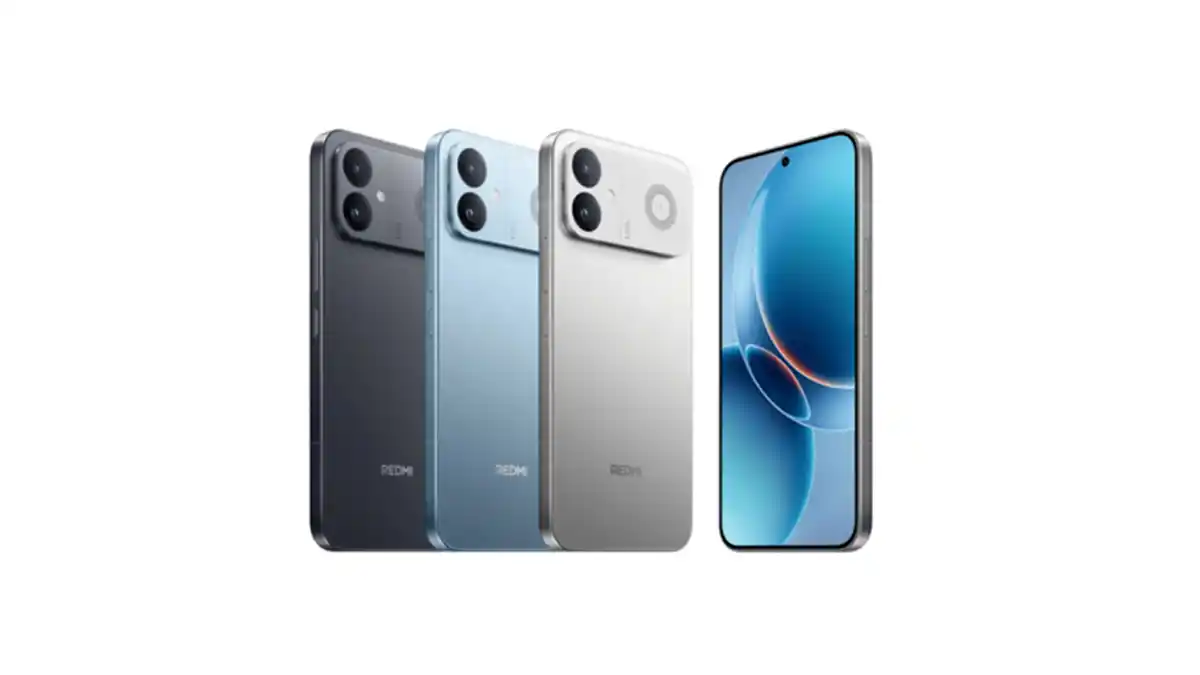
Redmi K100 Ultra Could Pack a Massive 10,000mAh Battery and 2nm Chip
We previously covered the potential for 2nm chips in devices like the Redmi K100 Ultra.
Next-gen ultrasound cancer treatment advances: does the evidence match commercial hype?

Nvidia CEO Jensen Huang’s affair: everything you need to know
What Taiwanese chip giant TSMC gains from taking stakes in OpenAI and Anthropic’s AI race

Omise Becomes Direct Acquirer for Visa and Mastercard in Thailand
