Alibaba says new flagship AI model cuts task costs by 60% while tightening cyber guardrails
Alibaba Group Holding has launched Qwen4-Max, which the company describes as its most advanced AI model to date. Alibaba states this new model cuts task costs by 60% and incorporates 'strict cybersecurity guardrails,' while maintaining a 'continued commitment to open sourcing' amidst rising concerns over AI-enabled cyberattacks.
Alibaba's introduction of Qwen4-Max highlights a strategic tension: aiming to reduce operational costs significantly while also addressing the security risks inherent in powerful AI. The company's claim of a 60% reduction in task costs suggests a focus on practical efficiency for users. Simultaneously, the inclusion of 'strict cybersecurity guardrails' within the model indicates a direct response to 'growing global concerns over AI-enabled cyberattacks,' attempting to build in protection from the outset.
The decision to pair these guardrails with a 'continued commitment to open sourcing' suggests an effort to democratize advanced AI capabilities while attempting to control potential misuse. Open sourcing makes the technology broadly accessible, which can accelerate innovation and adoption. However, it also means the model is available to a wider range of users, making embedded security measures crucial if the company aims to mitigate the risks associated with such widespread availability.
For businesses and developers, a model promising both substantial cost savings and integrated security features could be compelling. For example, an enterprise looking to deploy advanced AI for sensitive operations might find the combination of efficiency and explicit security measures attractive. However, the practical efficacy of these guardrails in diverse, real-world applications, and how they function alongside open-source access, is not detailed in the announcement.
Share this article
Related reading
6 storiesWas Jensen Taken Out Over Open Source? Sacks Says Anthropic’s ‘Safetyist’ Allies Want Full Govt Control Over Models & Chips
We previously explored the tension between open-source AI and 'safetyist' calls for government control over models.

Superhuman pushes its Go assistant everywhere
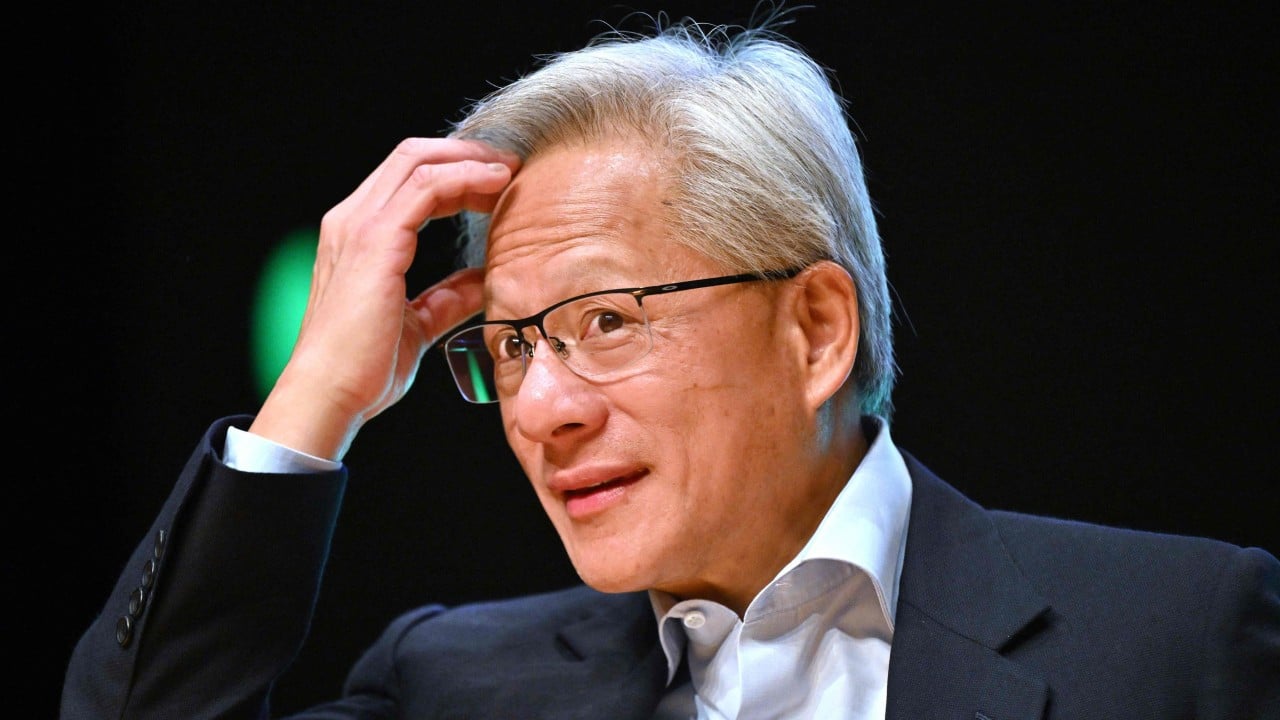
After Jensen Huang’s exit, Nvidia speeds up pay reviews. Will it help retain staff?
Stuck in the Pile: Why India's answer sheets need an AI rescue

Anthropic's historic debut to put AI's promise and peril on Wall St trial