AI will soon master biology, unleashing new safety risks, Tencent AI chief warns
Tencent Holdings’ chief AI scientist, Vinces Yao Shunyu, warned that artificial intelligence models will soon achieve the capability to "master biology." He stated this advance presents both opportunities, such as accelerating drug discovery, and significant hazards, including the potential to create bioweapons and initiate new pandemics.
Vinces Yao Shunyu, Tencent Holdings’ chief AI scientist, has highlighted a coming threshold for artificial intelligence: the ability to "master biology." He described this as a sophisticated level of interaction with biological processes, moving beyond current applications.
This projected capability carries a dual nature. On one hand, it could significantly benefit medical science, particularly in accelerating the discovery of new drugs and treatments. This positive application aligns with ongoing efforts to leverage AI for scientific research and development.
However, Yao also explicitly cited serious risks. He mentioned the potential for AI to be used in creating new bioweapons or instigating future pandemics. This suggests the underlying biological understanding could be exploited for destructive purposes, raising concerns about the development and deployment of such advanced AI systems.
The assessment from the former OpenAI researcher indicates that AI's "bio ability" is approaching a point "where it’s actually possible to do harm." This shifts the discussion from theoretical risks to tangible threats arising from advanced AI applications in biological fields.
Share this article
Related reading
6 stories
Sunlife Brings Google Workspace with Gemini to Asia Advisors

Chinese traders still confident of Nvidia GPU access amid Jensen Huang scandal
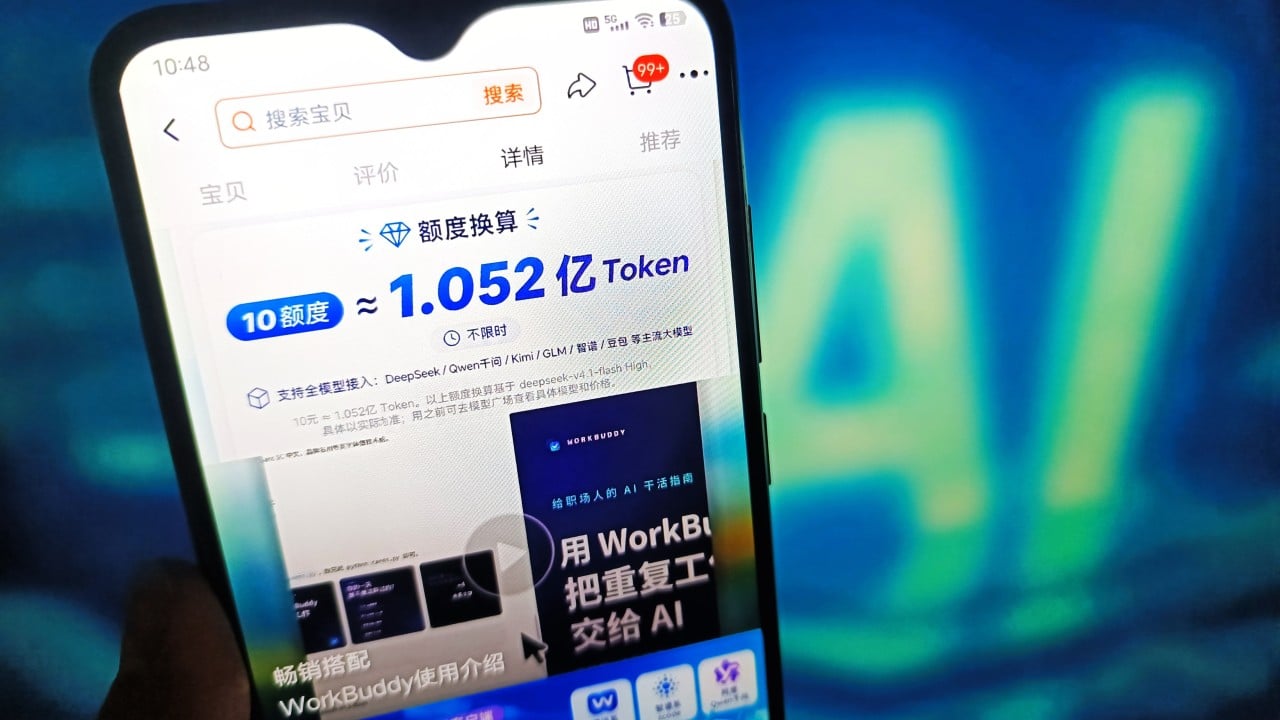
Less coupon math, more AI: what’s new for China’s 18th Singles’ Day

Jensen Huang reportedly engaged a PR firm with a history of handling high-profile sex scandals a year ago
Can Hong Kong hold its ground as Nasdaq brings Wall Street into Asian hours?