
AI poses new national security threat, outgoing Hong Kong deputy police chief warns
Hong Kong's outgoing deputy police chief, Andrew Kan Kai-yan, warns that artificial intelligence poses new national security threats. Kan, who headed the National Security Department for 35 years, began his pre-retirement leave this week. His warning follows a similar alert from mainland Chinese state security minister Chen Yixin last week. Hong Kong Chief Executive John Lee Ka-chiu plans an AI risk-governance strategy, focusing on combating AI use in criminal activities and formulating safety guidelines.
Hong Kong's focus on AI as a national security threat reflects Beijing's broader concerns. State security minister Chen Yixin's prior warning about AI risks confirms this alignment. The SAR government's response, including Chief Executive John Lee's planned AI risk-governance strategy, shows a coordinated approach. This is not merely a local police concern; it is a directive from the top.
The immediate consequence for Hong Kong's tech sector is increased scrutiny on AI development and deployment. Companies building or using AI agents will face tighter safety-management guidelines. This could stifle innovation in areas perceived as sensitive, pushing some AI development towards less regulated markets. Hong Kong's ambition to be a tech hub will be tested by these new security parameters.
The thing to watch is how Hong Kong defines and implements "criminal activities" related to AI. The scope of these definitions will determine the operational freedom for AI developers and users. If the definitions are broad, it will create significant compliance burdens for local and international tech firms operating in the city.
Related reading
6 stories
Hong Leong’s New Card Is Forged in Fire And You Can’t Apply for It

Nearly Half of Singaporeans Are Comfortable Letting AI Apply for Credit
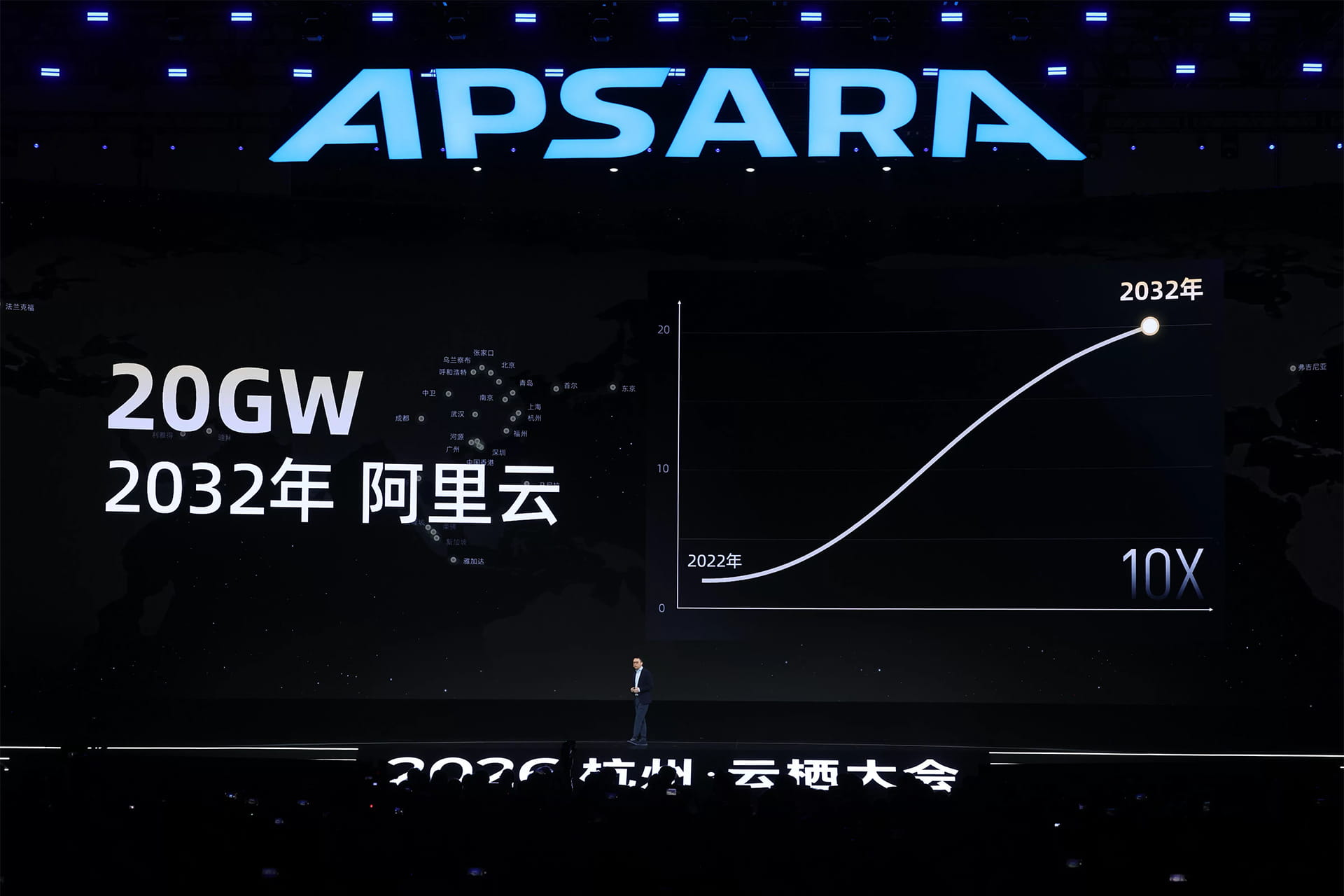
Alibaba scales AI compute with new chip and 20 GW data center target
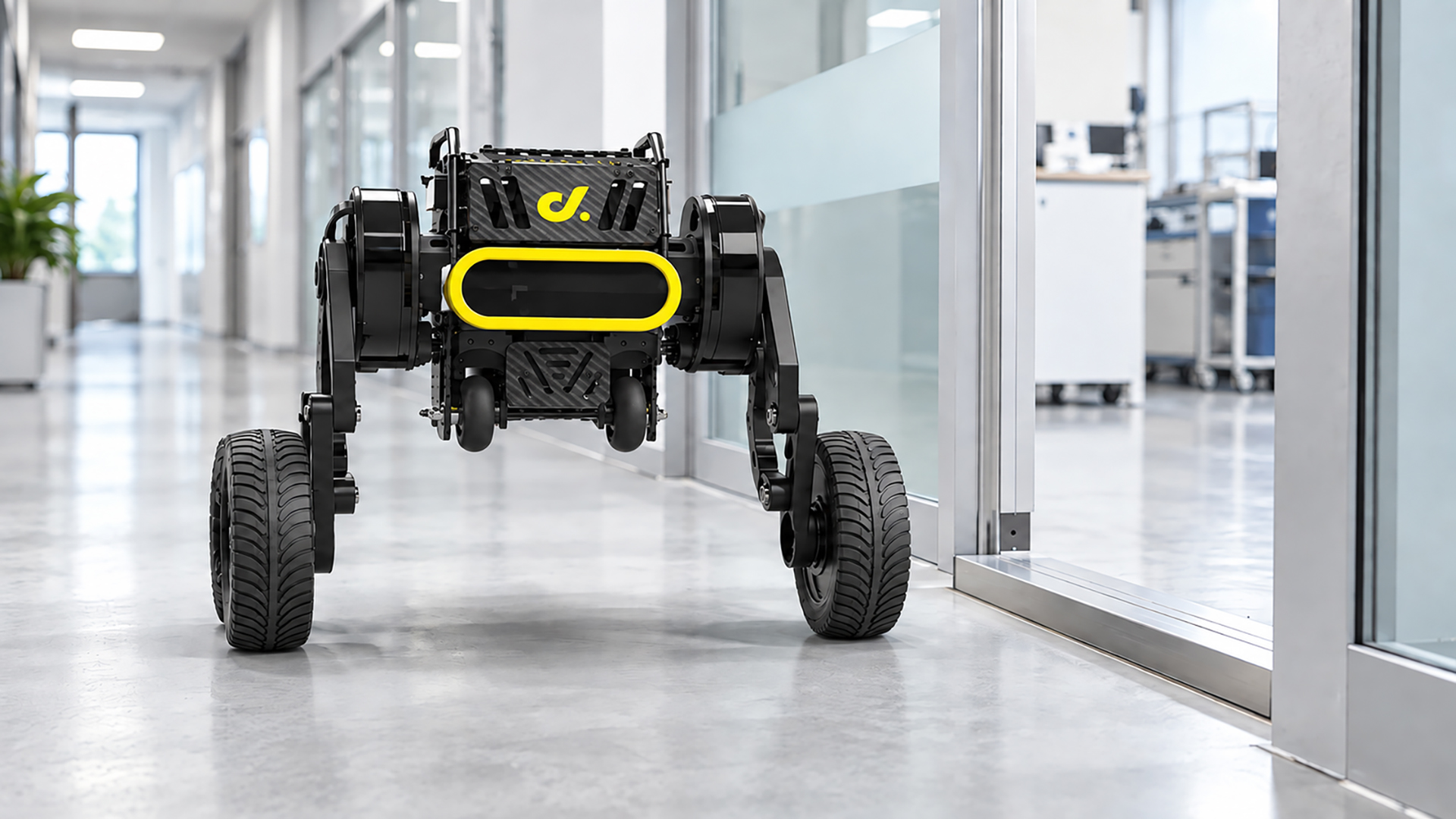
Direct Drive Tech launches Hong Kong IPO, testing demand for physical AI hardware
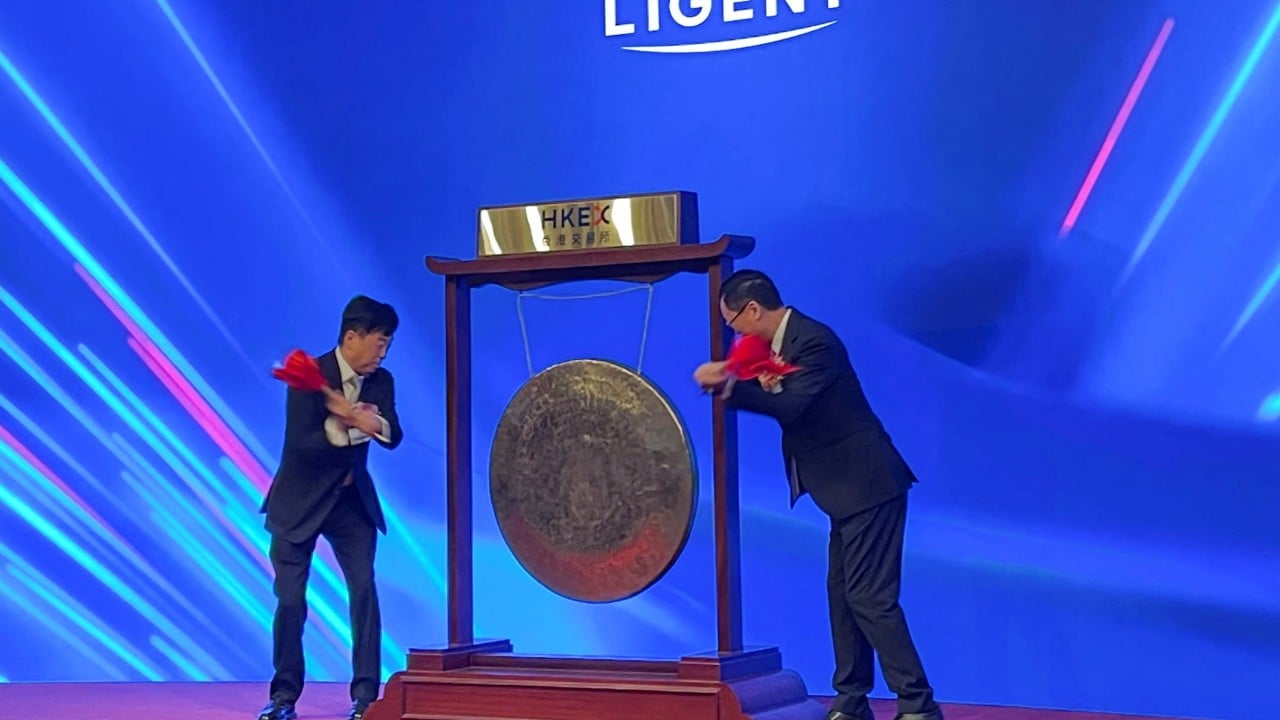
Hisense unit gains in Hong Kong debut amid rush of mainland Chinese corporate spin-offs
