
AI made work faster. So why are workers more exhausted?
For years, artificial intelligence was imagined as the ultimate workplace liberator, a tool that could remove repetitive tasks, shorten working hours and leave people with more time to think.
This phenomenon of AI-driven exhaustion in the workplace has significant implications for Asia's tech ecosystem, particularly as the region rapidly adopts AI technologies across various industries. Companies in South Korea, Japan, and Singapore, which are at the forefront of AI integration, may face challenges in employee retention and productivity if the human element of AI deployment is not carefully managed. The initial promise of AI for efficiency gains could be undermined by a workforce struggling with burnout, leading to a re-evaluation of AI implementation strategies.
For Asian tech companies developing AI solutions, this feedback from the ground highlights a critical need for human-centric AI design. Focusing solely on speed and automation without considering the psychological impact on users could limit market adoption and create negative public perception. There is an opportunity for innovators to develop AI tools that genuinely augment human capabilities and improve work-life balance, rather than simply increasing output demands. This shift could lead to a new wave of AI products and services tailored to sustainable productivity, potentially differentiating Asian AI offerings in the global market.
Related reading
6 stories
SK Hynix reportedly in talks with Intel to build memory chips in US
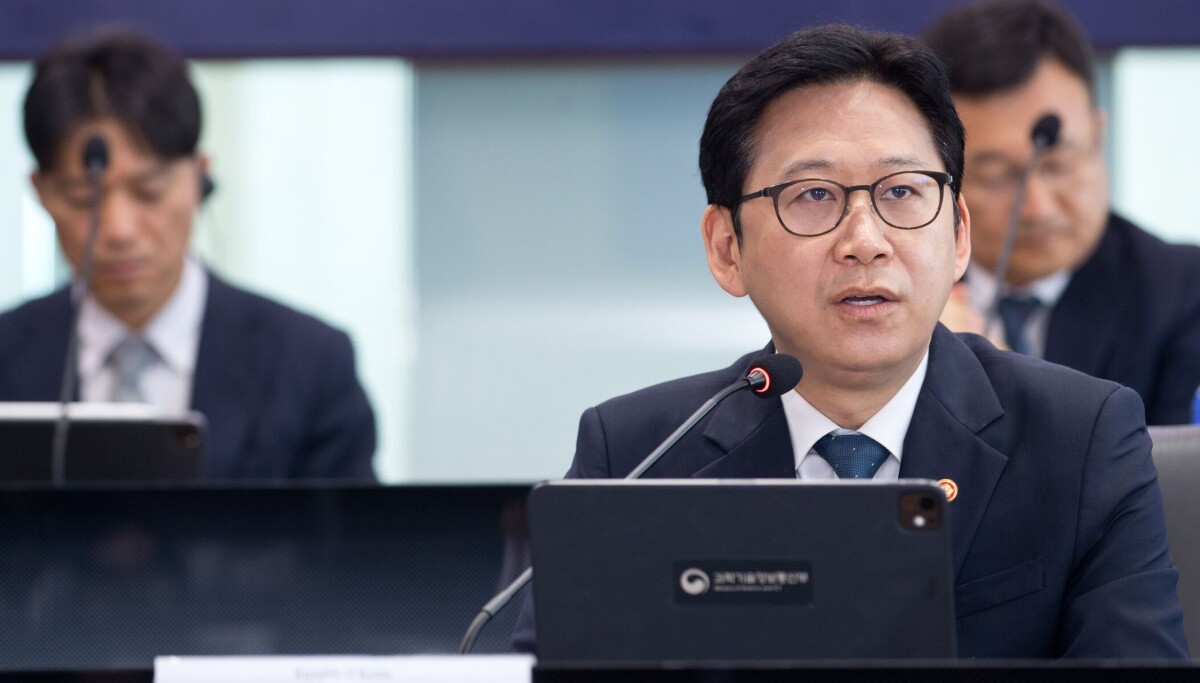
South Korea cannot slow AI development, science minister says

Simacro Clones Chemical Plants in Digital Twins for Global Push

Samsung Starts Trial Production of Tesla AI Chips in Texas

Amodei and Huang Spar Over AI Rules at Dreamforce, Extending Industry Rift
