AI fight shadows final preparations for Xi Jinping’s White House visit
Tensions over artificial intelligence are influencing the final preparations for Chinese President Xi Jinping’s visit to the United States. Washington and Beijing are discussing integrating a planned AI dialogue into a broader economic meeting. This combined meeting would occur in the days leading up to Xi’s summit with US President Donald Trump. The two leaders had initially agreed in Beijing in May to establish a separate intergovernmental dialogue on AI. Sources indicate that Bessent, the American lead for both AI and economic talks, is now expected to manage both issues in a single meeting, simplifying the logistical arrangements for the summit.
The integration of the US-China AI dialogue into a broader economic meeting ahead of President Xi Jinping’s visit to the US suggests a strategic shift in how Washington views these critical discussions. While initially planned as a standalone intergovernmental channel, folding AI into economic talks could either elevate its importance by linking it to wider trade and financial considerations, or dilute its focus by making it one item among many. The Chinese side reportedly sees US requests as potentially limiting both harmful AI outcomes and Beijing’s indigenous development capabilities, indicating a core point of contention. For Asian tech markets, this move highlights the ongoing geopolitical friction that directly impacts AI development and policy. Companies in China and across the region that rely on advanced AI components or collaborate internationally face increased uncertainty. The outcome of these combined talks, particularly regarding export controls or data sharing, will directly influence investment flows and research partnerships in key AI hubs like Singapore and South Korea. The US lead, Bessent, now has a dual mandate that could either streamline or complicate progress on AI-specific agreements. Our view is that this consolidation points to the US prioritizing a holistic economic approach to China, where AI is seen as an economic and national security tool rather than a purely technological one. The risk for Asia is that a lack of dedicated AI dialogue could lead to less nuanced policy decisions, potentially hindering regional innovation if both sides adopt overly broad restrictions.
Related reading
6 stories
Chinese AI firms shunned US delegation over sanctions fears, commission says
We previously reported on Chinese AI firms shunning US delegations due to sanctions fears, a key context for these talks.
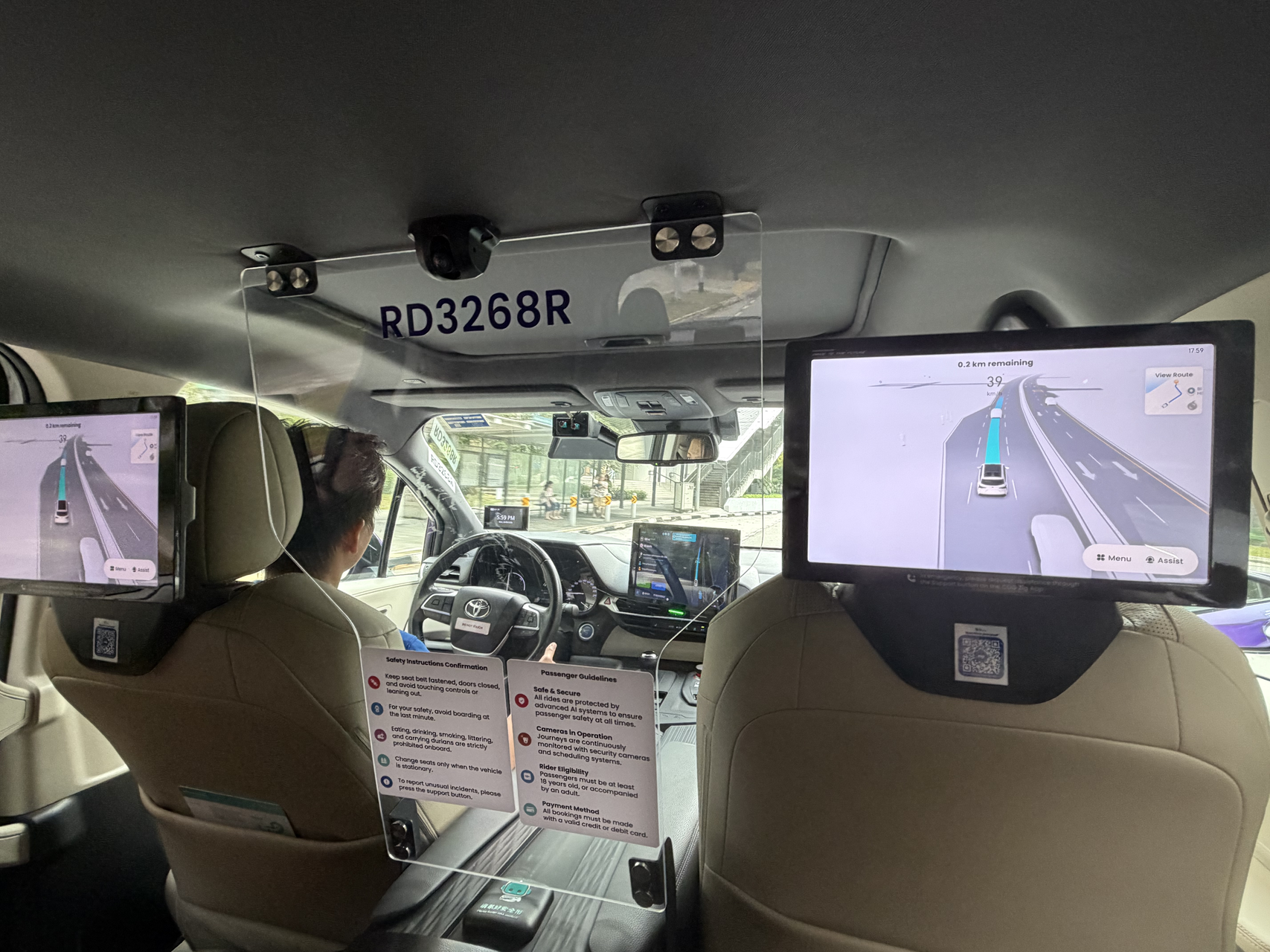
If driverless cars already work, why aren’t they everywhere?

Sumsub Launches Workforce Verification as Deepfake Risks Grow
ByteDance’s AI-enhanced short-drama app eclipses China’s Netflix rivals combined

Timo Joins Top 10 Banks in Vietnam by Customer Satisfaction