
AI coding tools under PIPEDA and Québec Law 25: a CTO guide
A guide from ReclaimLLM advises Canadian CTOs to review AI coding tools like Cursor and Copilot against existing privacy laws, including PIPEDA and Québec Law 25. It emphasizes that organizations remain accountable for personal information transferred to third-party AI vendors, even when data enters a session unintentionally during debugging, and outlines necessary compliance steps.
AI coding tools, while boosting developer efficiency, present a notable challenge for Canadian companies under existing privacy regulations. The ReclaimLLM guide highlights that personal information can inadvertently enter AI sessions during routine debugging, such as through production logs, database query results, or even folder paths that include usernames. Tools like Cursor, Claude Code, Copilot, Codex, and Antigravity are not explicitly regulated by name, but the data flows they handle are subject to laws like PIPEDA.
Under PIPEDA, specifically Principle 4.1.3 on Accountability, organizations are responsible for personal information transferred to third parties for processing. This means a Canadian company remains accountable for customer and end-user data, even if it is sent to an AI tool vendor located outside Canada. The organization must ensure contractual or other means provide a comparable level of protection and verify the vendor's safeguards. This principle applies whether the data transfer is intentional or an unintended side effect of using the AI tool.
For CTOs and CISOs, this translates into a need for robust vendor agreements, clear privacy settings for AI tools, and a documented approval process. The guide suggests keeping evidence such as vendor agreements, privacy settings, and records of who approved the tool. It also stresses the importance of safeguards appropriate to data sensitivity, transparency in privacy policies, and a clear process for assessing potential breaches, particularly when sensitive customer data might be exposed through an AI agent.
Share this article
Related reading
6 stories
AI coding audit trails: what did the agent do in your repo?
As AI coding tools raise privacy concerns, we previously explored the importance of audit trails for agent actions in your repository.

MAS Chief Warns Against Giving AI Agents Your Bank Login

Five Banks Bid Over S$200 Million for Tokenised MAS Bills
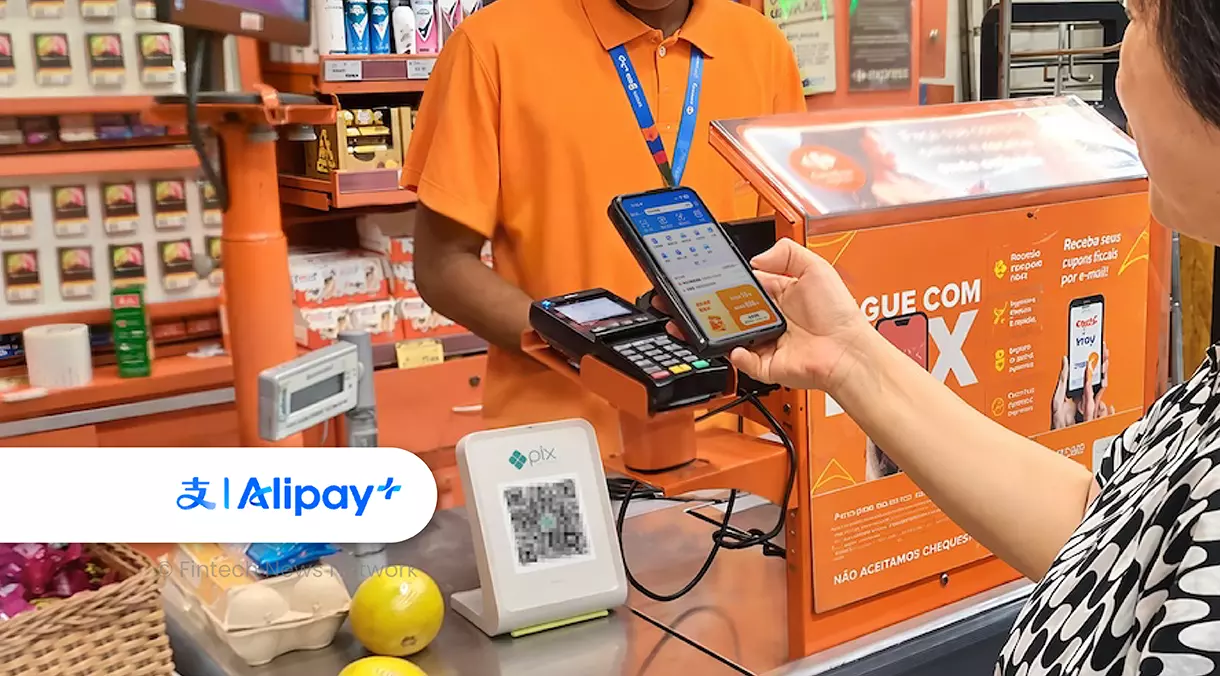
Alipay+ Connects to Brazil’s Pix for Cross-Border QR Payments

Meet the 10 Women Leaders Putting AI to Work in Finance and Beyond