AI bottleneck narrative: why Asia's hardware companies hold pricing power | ETF Compass | CSOP Intelligence
Morgan Stanley research indicates that GPT-6 Astra will intensify the AI bottleneck, shifting focus to hardware constraints like capacity, critical components, and manufacturing complexity. High-bandwidth memory (HBM) and advanced foundry are identified as key inputs, difficult for new competitors to enter. Much of this bottleneck capacity is concentrated in Asia, particularly Taiwan, Korea, and Japan, giving established suppliers significant pricing power. This concentration is increasingly critical to the expansion of AI computing.
The AI bottleneck narrative gains strength, reflecting Asia's entrenched control over critical hardware. SK hynix and Samsung Electronics are forecast to command 80 percent of the global HBM market from 2025-2027. TSMC held 70 percent of the global advanced foundry market in 2025. These are not minor players; they dictate the pace of AI development.
This concentration means Asia's hardware companies capture disproportionate earnings. Hyperscalers prioritize access to components, often paying a premium. This dynamic directs profits toward leaders in Taiwan, Korea, and Japan. Delta Electronics, Tokyo Electron, and Murata also play pivotal roles in their respective segments.
The thing to watch is whether new entrants can challenge this dominance by 2030. Building a fab takes years, and technical know-how is not easily replicated. Without significant new capacity or breakthroughs, Asia's bottleneck leaders will maintain their pricing power.
Related reading
6 stories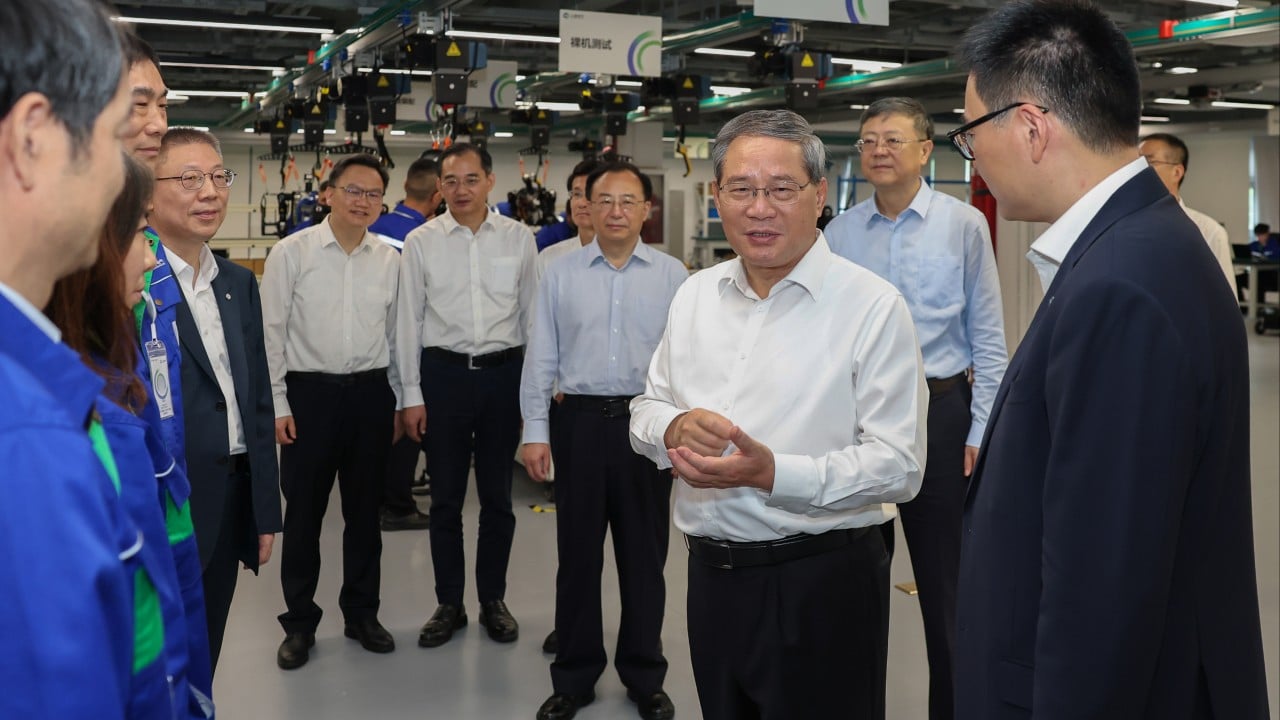
China’s Premier Li Qiang calls for harnessing AI to propel manufacturing advances
China's Premier Li Qiang recently called for harnessing AI to propel manufacturing advances, highlighting the strategic importance of this sector.

RISC-V chipmaker Eswin clears Hong Kong listing hearing
The listing hearing for RISC-V chipmaker Eswin in Hong Kong shows the ongoing financial activity in the Asian hardware space.

Meta Removes 3.64 Million Facebook, Instagram Pages in Scam Crackdown
Tencent uses its products to guide Hy Image 3.5 development

Klook and Visa Team Up on Travel Offers Across Southeast Asia