Xiaomi’s smartphone slump deepens as EVs shoulder more of the load
Xiaomi’s smartphone business experienced a significant slump in the second quarter of 2026, with revenue falling 7.5% and shipments dropping 26.5% year-on-year. This decline was attributed to adjustments in its product portfolio, reducing midrange and lower-end models, and weaker global demand exacerbated by rising component costs. Despite a 25.9% increase in average selling price, the gross margin for smartphones narrowed to 8.5%. In contrast, Xiaomi’s smart EV and other new initiatives saw substantial growth, generating RMB 24.9 billion in revenue, up 17.1% year-on-year, with EV deliveries nearing those of established Chinese EV specialists. While these new ventures are rapidly expanding their share of overall revenue, they remain unprofitable, recording an operating loss of RMB 2.6 billion for the quarter.
Xiaomi's Q2 2026 results highlight a critical pivot in its business strategy, reflecting broader shifts within Asia's technology landscape. The steep decline in smartphone shipments, significantly outpacing the overall market contraction, signals intense competition and evolving consumer preferences. While Xiaomi attributes some of this to product portfolio adjustments and rising component costs, it also underscores the challenges even established players face in a mature and highly competitive smartphone market.
The rapid growth of Xiaomi's EV segment, however, is a testament to the company's aggressive diversification and the burgeoning demand for electric vehicles in China and potentially across Asia. Achieving delivery volumes comparable to dedicated EV manufacturers like Nio and Xpeng in a relatively short period demonstrates Xiaomi's formidable manufacturing and market entry capabilities. This strategic shift from consumer electronics to automotive intelligence is a significant trend for Asian tech giants, as they leverage their hardware expertise and brand recognition to enter new high-growth sectors. The profitability challenge in EVs, however, indicates the substantial investment and time required to scale these new ventures, a common hurdle for companies expanding into capital-intensive industries.
相關文章
6 則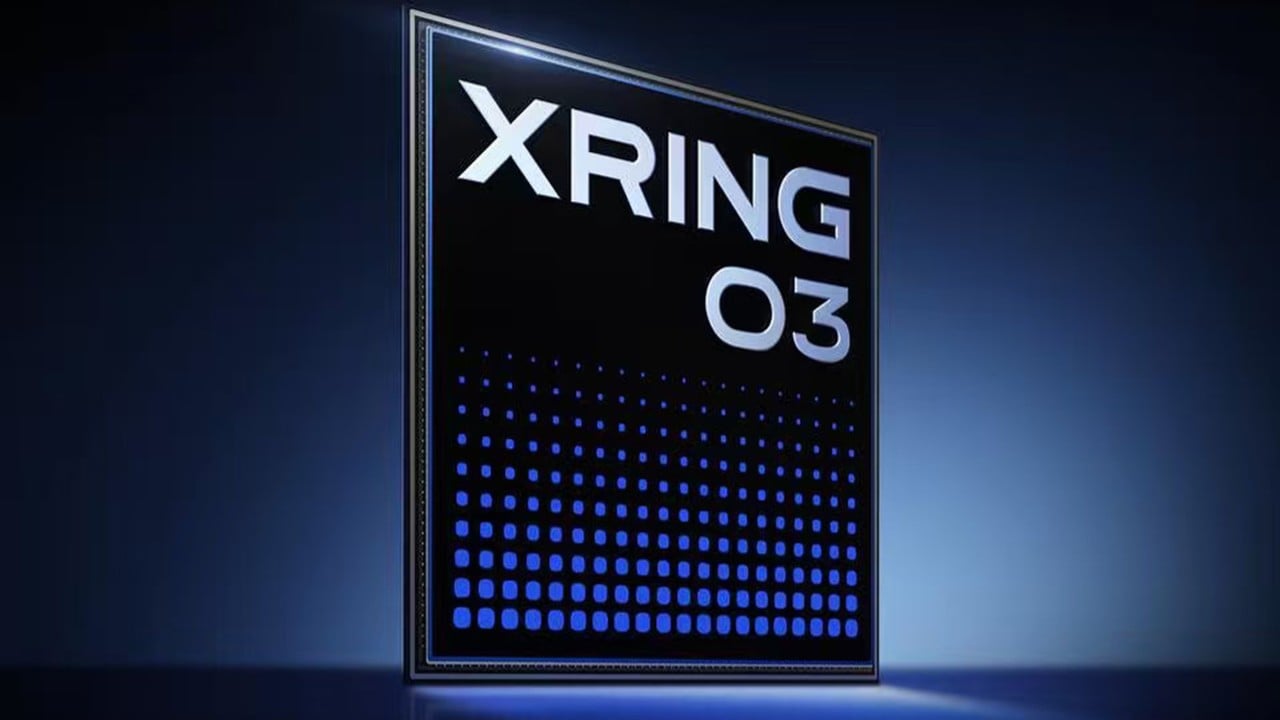
Why is Xiaomi doubling down on in-house chips amid a profit slump?
We previously explored Xiaomi's strategy to double down on in-house chips amidst profit challenges.
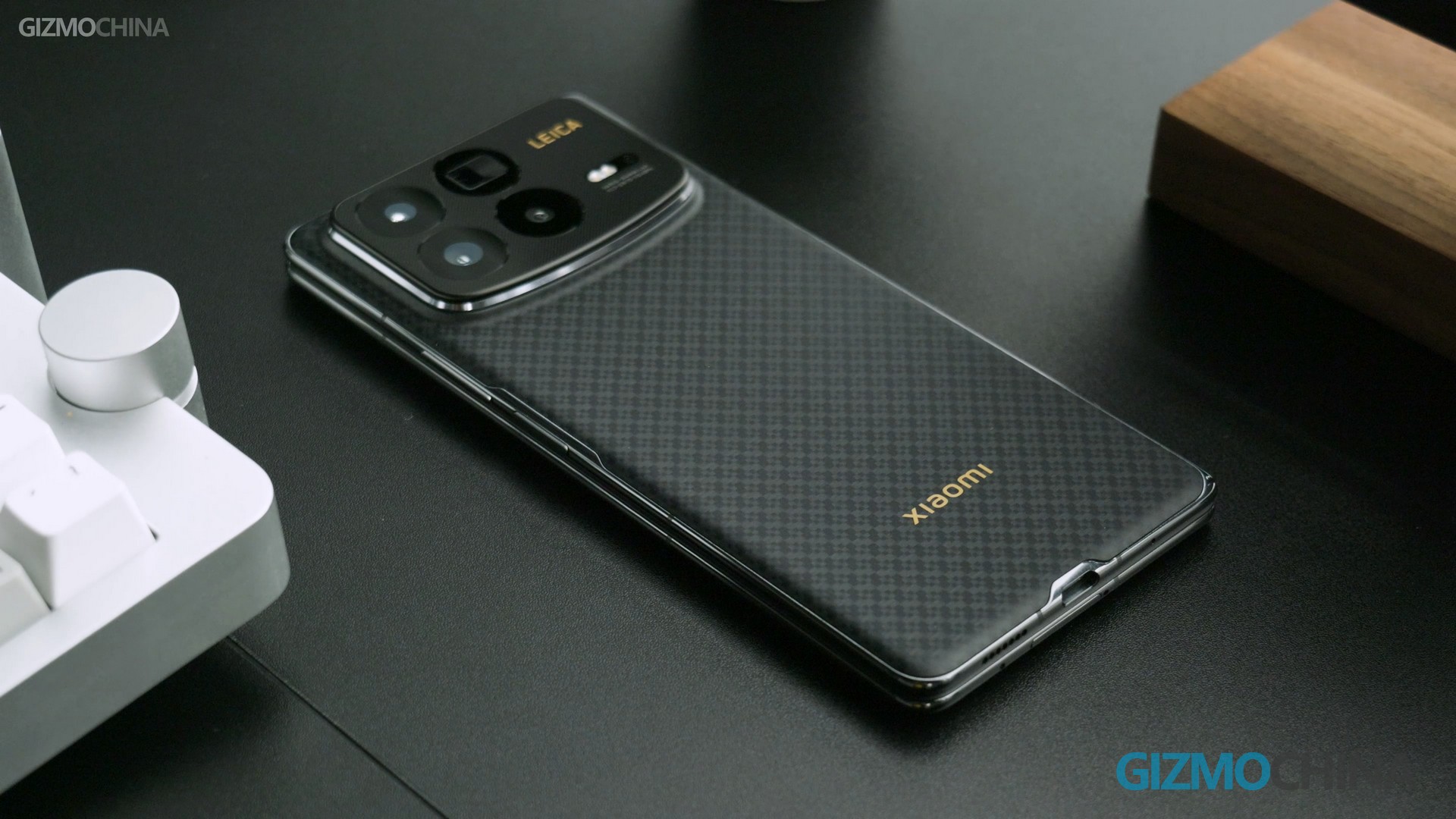
Xiaomi CEO Confirms Separate Launches for Xiaomi 18 Fold and 18 Pro
This article details Xiaomi's smartphone strategy, a key part of its business pivot.

《人民日報》駁斥美國惡意AI蒸餾指控,警告將採取反制措施

Databricks 將在新加坡投資逾 3.5 億美元,員工人數翻倍

字節跳動的AI短劇應用程式超越中國Netflix競爭對手總和