Will China’s residency changes to social insurance unlock economic growth?
China is implementing new measures to ease residency restrictions for social insurance applicants, a move analysts believe will stimulate long-term economic growth. Announced by the State Council, these changes are part of a larger national strategy to foster a unified market. The policy aims to remove existing barriers that impede the free flow of capital and talent across the country. This initiative is expected to have significant implications for China's economic landscape, potentially boosting labor mobility and consumption.
China's policy shift to ease residency restrictions on social insurance applicants is a significant development for Asia's broader economic and tech landscape. By removing barriers to talent mobility, Beijing aims to unlock latent economic potential, which could indirectly benefit the tech sector through increased consumer spending and a more fluid labor market. This move aligns with China's long-term goal of fostering a unified national market, a strategy that seeks to optimize resource allocation and enhance overall economic efficiency. For tech companies, both domestic and international, a more integrated market could mean easier access to skilled labor and a larger, more unified consumer base, potentially accelerating innovation and market penetration.
Furthermore, this policy signals a continued commitment from Beijing to structural reforms aimed at sustainable growth, even as it navigates complex geopolitical and economic headwinds. While the immediate impact on the tech sector might be indirect, the underlying principle of fostering greater mobility and market integration creates a more fertile ground for technological advancement and adoption. As China's economy becomes more interconnected internally, it sets a precedent for how other Asian nations might approach similar challenges in labor mobility and market unification, influencing regional economic dynamics and investment flows.
相關文章
6 則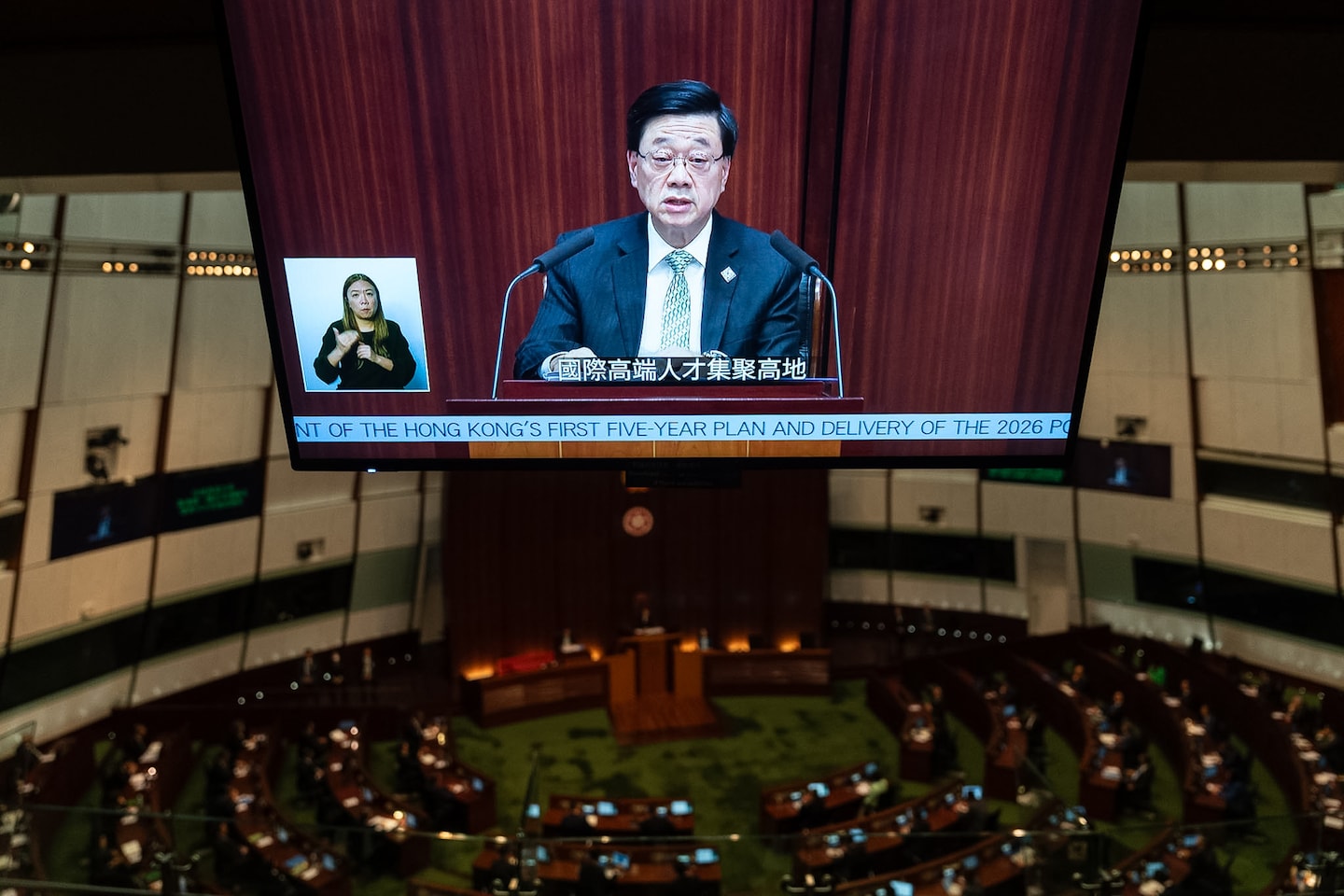
香港首個五年計劃押注AI技能:從幼稚園到勞動人口
華為發佈最新技術,提升AI能力,力求打破中國對Nvidia的依賴

CATL tightens supplier scrutiny in push for carbon-neutral EV batteries

中國火箭熱潮將海南變成太空樞紐。發射能否推動更廣泛的增長?
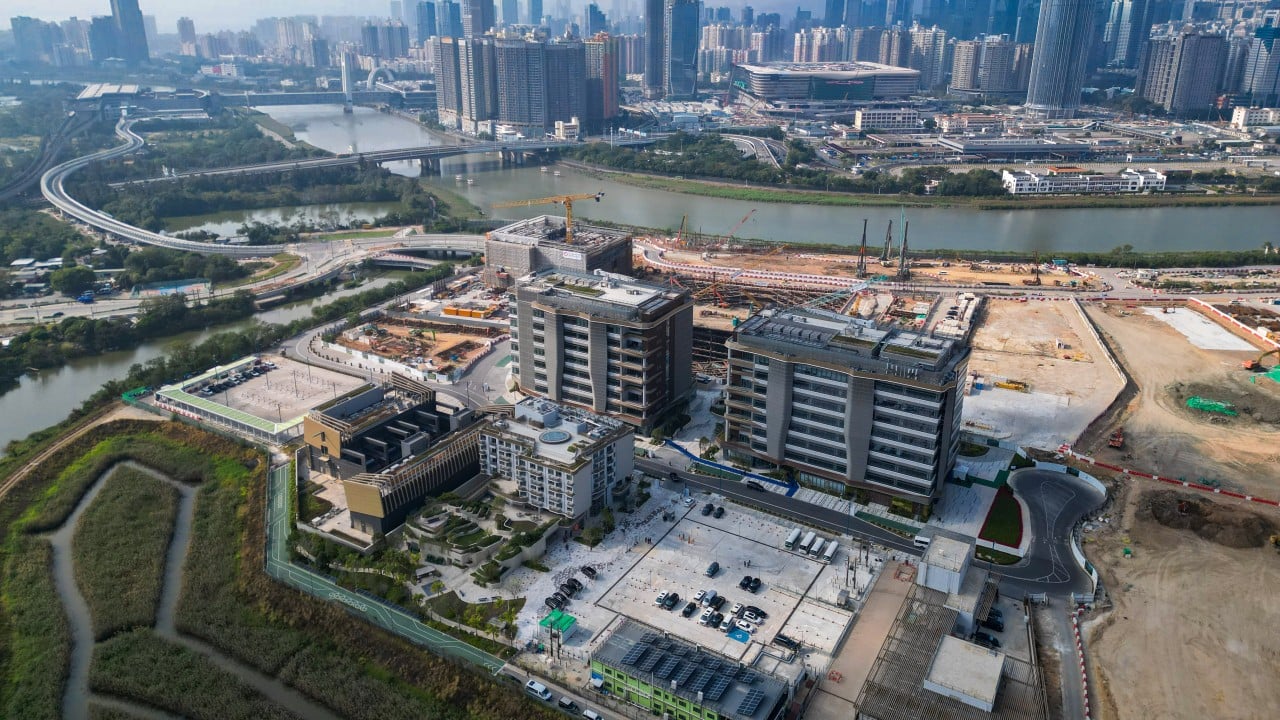
Hong Kong aims to raise innovation spending to 3% of GDP by about 2030