Visa Targets Risky Transfers With Enhanced A2A Protect
Visa has enhanced its A2A Protect service, allowing banks to identify risky account-to-account transfers before funds are disbursed. This update integrates Featurespace technology, which Visa recently acquired, introducing a unified fraud score. The service uses AI and transfer learning to analyze transactions in real time, enabling banks to access global risk signals immediately. Visa reports that A2A Protect increased fraud detection by 75% during its initial six months of deployment. The company projects global account-to-account transactions will reach 5.8 trillion by 2028, a 160% increase from 2024.
Visa’s enhanced A2A Protect service, leveraging Featurespace AI, aims to significantly reduce fraud in account-to-account (A2A) transactions. The key here is the immediate access to global risk signals, which could benefit financial institutions in markets like Singapore and Hong Kong that process high volumes of international transfers. This bypasses the typical months-long data training period for AI models, offering a faster defense against evolving fraud tactics. The service's reported 75% increase in fraud detection during its first six months is a strong indicator of its potential. For Asia, where digital payments and cross-border transactions are rapidly expanding, this technology offers a critical layer of security. The ability to share network-level intelligence to identify scam hotspots could be particularly valuable in combating organized fraud rings that often operate across multiple jurisdictions. The challenge will be the adoption rate among diverse financial institutions, especially smaller banks, and how seamlessly the API integrates with their existing, often complex, legacy systems.
相關文章
6 則
Building the Future of Borderless Payments
Our past coverage explored the broader vision of seamless, secure cross-border payments, a key area for Visa.

China’s rocket boom turns Hainan into a space hub. Can launches fuel wider growth?

China’s Z.ai raises revenue target 25% after US$5 billion cash injection
Kimi creator Moonshot draws global funds seeking ‘top-tier’ Chinese AI developers: sources
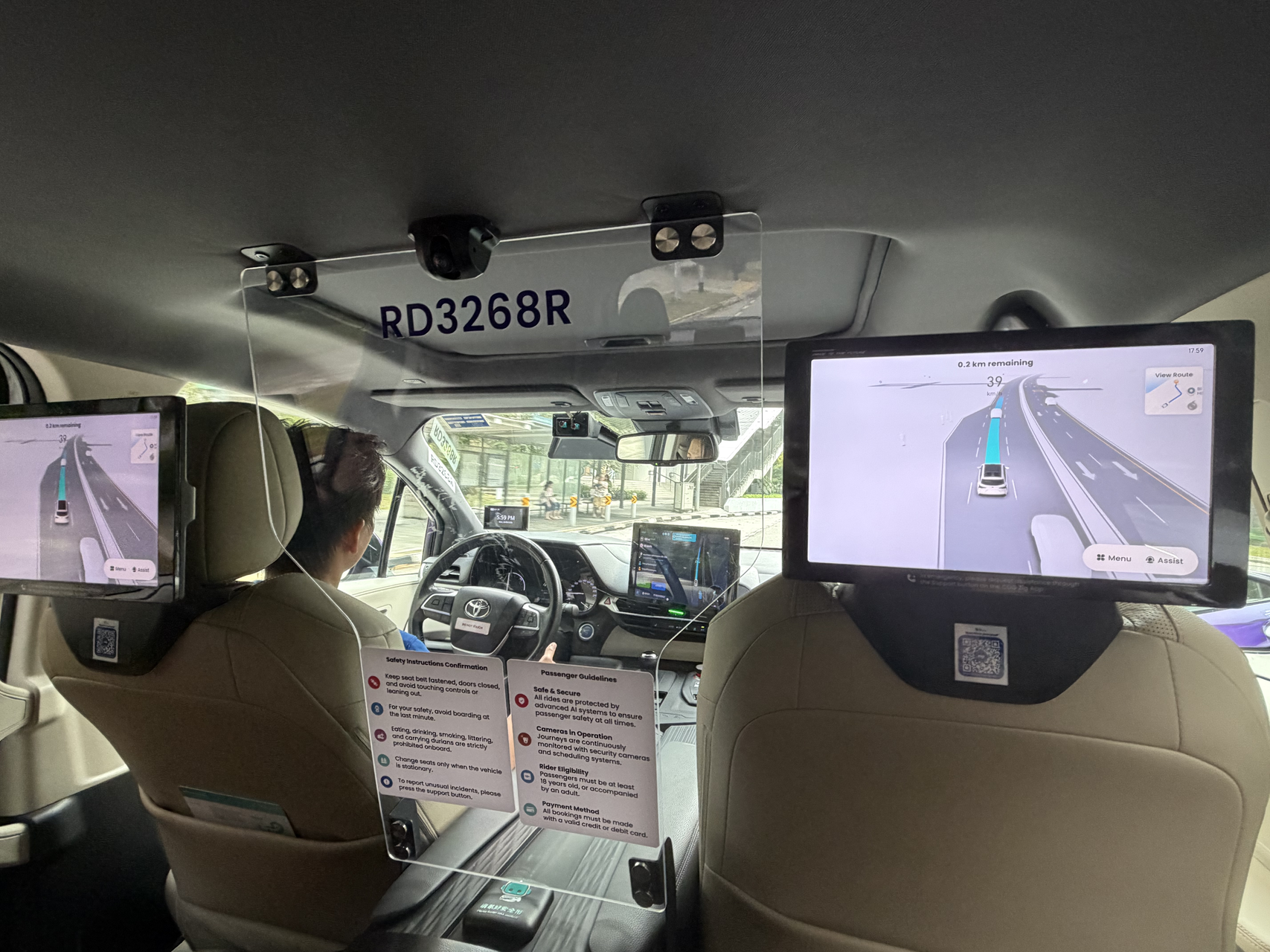
如果無人駕駛汽車已經可行,為何它們尚未普及?