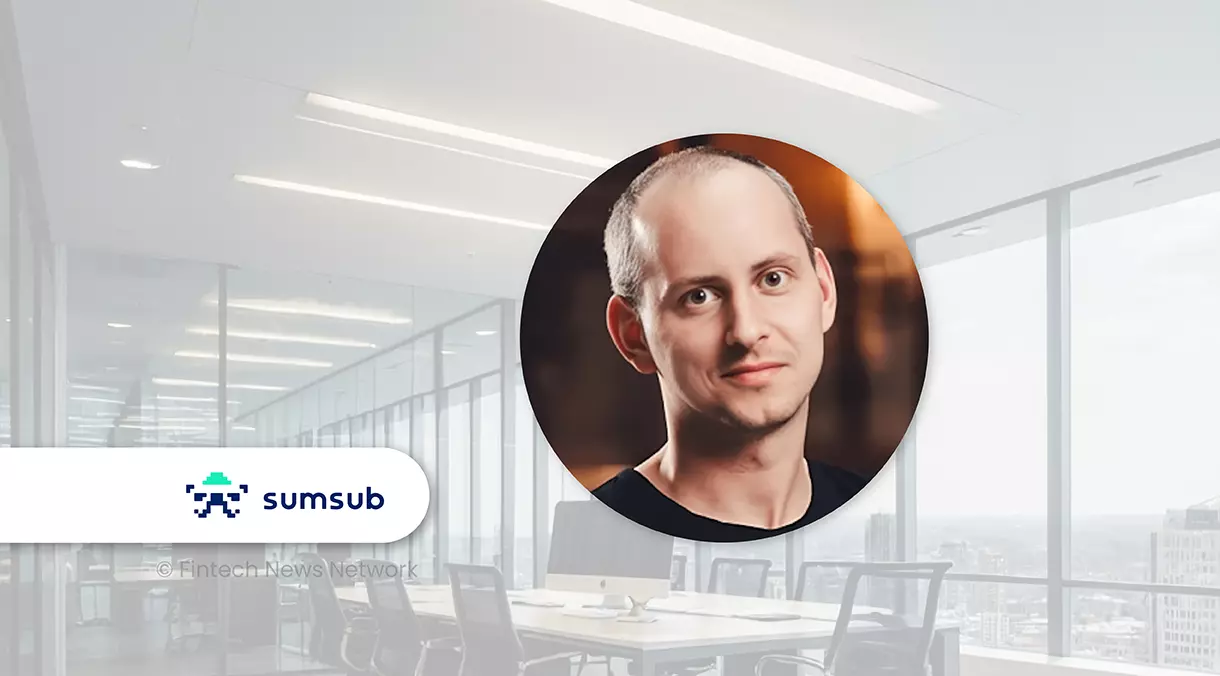
Singaporean photographer Zhang Jingna fights to keep art safe from AI scrapers
Singaporean photographer Zhang Jingna's social platform for artists, Cara, experienced three scraping incidents in August 2026. The platform, which has 1.5 million registered users and includes "NoAI" tags, was targeted by human scrapers who harvested images for generative AI training. The first scraper, nicknamed "Heft", collected over 12 million images, costing Zhang thousands in server fees. Despite takedown requests, a copycat scraper released images on Hugging Face, and a third incident occurred on August 22. Zhang has initiated a fundraising campaign, raising US$70,000 to pursue legal action against the scrapers.
The repeated scraping of Cara, a Singaporean artist platform, underscores the growing tension between AI developers and content creators. Despite "NoAI" tags and user non-consent, human scrapers bypassed these measures, highlighting the limitations of current technical deterrents. The incidents, including the unauthorized collection of over 12 million images, point to a significant challenge for platforms aiming to protect artistic integrity in the age of generative AI. This situation in Singapore reflects a broader legal ambiguity. While local guidelines allow web-scraping publicly available data, the definition of "publicly available" becomes complex when data is behind registration or other digital barriers. Zhang Jingna's fundraising for legal action, which has already secured US$70,000, suggests a push for clearer legal precedents regarding data usage for AI training in Asia. The core issue is consent. Cara users did not consent to their art being used for AI training, yet their images were taken. This raises questions about how Asian regulators will balance innovation in AI development with the rights of content creators, especially as more platforms emerge to protect artists.
相關文章
6 則
AI experts build model that could ‘read War and Peace 5 million times in one sitting’
AI models are getting ever more powerful, making the fight to protect creative content from scraping even more urgent.

OpenAI built a chip in nine months. Then it let AI rewrite the code.
OpenAI's rapid development of AI, even letting AI rewrite its own code, shows the scale of the challenge for artists.
如果無人駕駛汽車已經可行,為何它們尚未普及?

《人民日報》駁斥美國惡意AI蒸餾指控,警告將採取反制措施

Databricks 將在新加坡投資逾 3.5 億美元,員工人數翻倍