NANO Nuclear and Tillman Digital Gateway Sign Strategic Commercial Framework to Enable Advanced Nuclear Power for Gigawatt-Scale U.S. AI Industrial Zones
NANO Nuclear Energy Inc. and Tillman Digital Gateway have signed a non-binding Strategic Commercial Framework to deploy NANO Nuclear’s KRONOS MMR Energy Systems across Tillman’s planned AI industrial zones in the United States. This agreement positions NANO Nuclear as Tillman’s preferred nuclear technology provider for these zones. The collaboration aims to achieve 2 gigawatts or more of advanced nuclear capacity by the mid-2030s, escalating to 6 gigawatts or more by 2040. Tillman Global Holdings, a global firm in digital and energy infrastructure, is developing multi-state AI industrial zones requiring gigawatt-scale power. The framework outlines cooperation on site evaluation, licensing, customer engagement, and project deployment, combining Tillman’s infrastructure capabilities with NANO Nuclear’s advanced reactor technology.
The agreement between NANO Nuclear and Tillman Digital Gateway for advanced nuclear power in US AI data centers highlights the growing energy demands of AI infrastructure. While this specific deal is US-centric, it reflects a global challenge that Asian markets are also confronting. Countries like South Korea and Japan, with their significant semiconductor and data center industries, face similar pressures to secure stable, high-capacity power sources for their expanding AI operations. The push for next-generation nuclear solutions, such as micro modular reactors, could inform future energy strategies in these Asian economies. The target of 2 GW by the mid-2030s and 6 GW by 2040 for Tillman’s AI industrial zones underscores the scale of power required. This long-term planning for nuclear integration suggests that traditional renewable sources alone may not meet the baseload demands of hyperscale AI. For Asian tech hubs, this points to a potential acceleration in exploring advanced nuclear technologies or other high-density energy solutions to maintain competitive advantages in AI development and deployment. The collaboration model, combining infrastructure development with specialized nuclear technology, offers a blueprint that could be adapted for similar initiatives in Asia. The thing to watch is the actual deployment timeline and regulatory hurdles. While the framework is non-binding, its success or failure in the US could influence the appetite for similar large-scale nuclear-AI integrations in Asia. Asian governments and major tech companies will observe how NANO Nuclear’s KRONOS MMR Energy System performs in meeting the specific power profiles of AI data centers, especially concerning reliability and cost-effectiveness over the next decade.
相關文章
6 則
DOST allots P300M for expansion of its AI data centers
The Philippines is also investing in AI data centers, facing similar energy demands as the US and other Asian nations.
YMTC parent seeks USD 4.9 billion Shanghai IPO on AI memory boom
The AI memory boom driving YMTC's IPO highlights the infrastructure growth that demands more power for data centers.

中國火箭熱潮將海南變成太空樞紐。發射能否推動更廣泛的增長?
中國 Z.ai 獲注資 50 億美元後,收入目標上調 25%
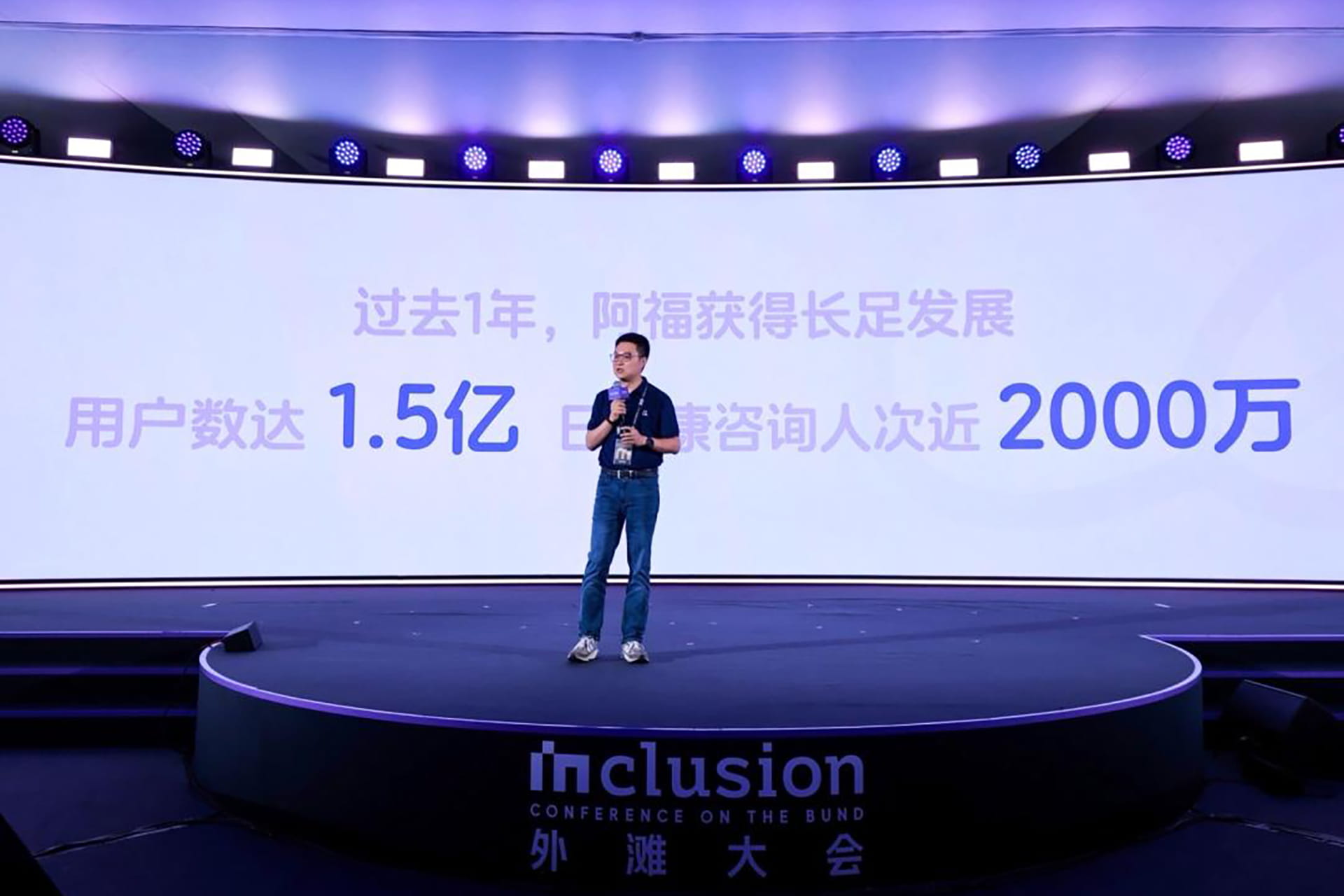
Ant’s AQ expands beyond weight loss as health app reaches 150 million users