Hohhot, Inner Mongolia: Converting Prairie Winds into Computing Power
The fourth annual Green Computing Power (Artificial Intelligence) Conference was held in Hohhot, Inner Mongolia, on August 22, 2026. The event focused on integrating computing and electricity, exploring token economies, and advancing AI. Key outcomes included the release of the Green Computing Power Development Research Report (2026) and pilot programs like millisecond-level urban computing. Major companies, including ByteDance and Cambricon, signed agreements worth tens of billions for green intelligent computing centers and token factories, highlighting Inner Mongolia's growing role in China's AI infrastructure strategy.
Hohhot's strategy to convert prairie winds into computing power offers a compelling model for sustainable AI infrastructure in Asia. The city's cold climate and abundant wind and solar resources allow for significant cost savings, with electricity priced at approximately 0.36 yuan per kilowatt-hour. This translates to annual savings of around 50 million yuan for large-scale GPU clusters, a critical factor given that electricity can account for over 70% of operating expenses for centers like China Mobile's Hohhot Intelligent Computing Center. The “East Data West Computing” project leverages these regional advantages, positioning Hohhot as a key hub with 150,000 P of computing capacity and over 80% green electricity usage. The primary challenge remains the intermittency of wind and solar power. Hohhot addresses this with an innovative “computing-electricity synergy” mechanism, involving a 360,000-kilowatt integrated wind-solar-storage power station. This system dynamically allocates power based on real-time data, prioritizing delay-tolerant tasks during green energy surpluses and deferring flexible tasks when supply is limited. This approach transforms power generation and consumption into a bidirectional interactive system, moving beyond a simple supply model. For Asian markets facing similar energy demands for AI, this integrated solution provides a tangible blueprint for managing renewable energy fluctuations. However, the long-term scalability of such bespoke energy solutions across diverse geographies is the thing to watch. While Hohhot’s specific conditions are nearly optimal, replicating this level of synergy and dedicated infrastructure in other regions may face higher capital costs and regulatory hurdles. The success of this model will depend on how effectively the “token economy” aspect, mentioned in the conference theme, can further incentivize and stabilize green computing power investments and operations across China and potentially other parts of Asia.
相關文章
6 則
DOST allots P300M for expansion of its AI data centers
The Philippines is also investing heavily in AI data centers, with DOST allotting P300M for expansion.

中國火箭熱潮將海南變成太空樞紐。發射能否推動更廣泛的增長?

中國 Z.ai 獲注資 50 億美元後,收入目標上調 25%
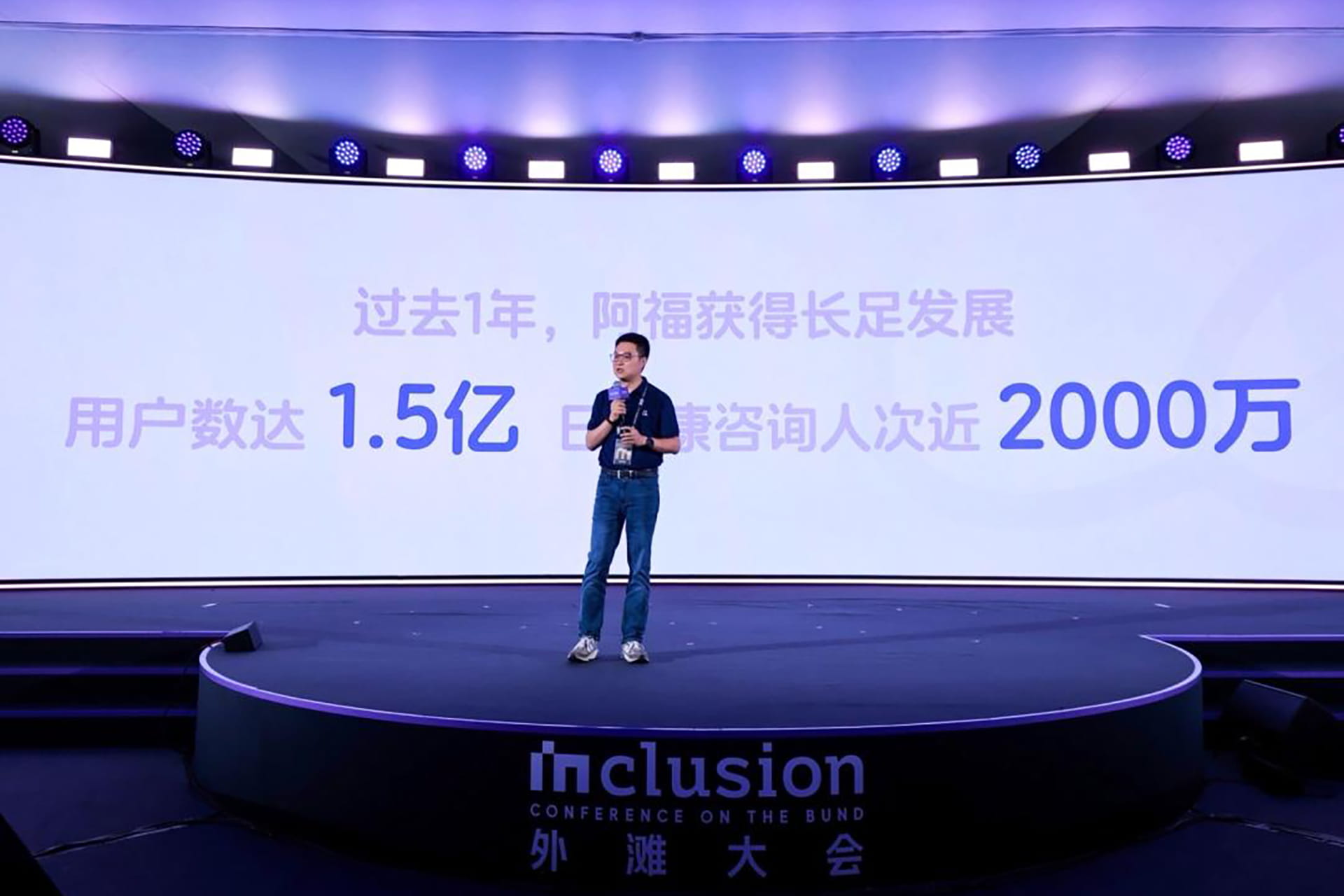
Ant’s AQ expands beyond weight loss as health app reaches 150 million users

消息人士:Kimi 開發商月之暗面吸引全球資金,尋求「頂級」中國 AI 開發商