
Fairphone is launching its latest repairable phone in the US too
Fairphone is expanding its reach into the US market with the launch of its latest repairable smartphone, the Fairphone 6+. This midrange Android device emphasizes longevity and user repairability, a significant departure from the industry’s typical upgrade cycle. Amidst rising consumer gadget prices and persistent component shortages, Fairphone’s model offers an alternative proposition for consumers seeking more sustainable and cost-effective options. The company’s entry into the US suggests a growing global appetite for devices designed for durability and extended use, challenging the prevailing culture of planned obsolescence in consumer electronics.
Fairphone’s expansion into the US market, while not directly an Asian market story, carries significant implications for Asia’s tech ecosystem, particularly in manufacturing and consumer electronics trends. Asian manufacturers, who dominate the global supply chain for smartphones and components, will need to observe the market reception of repairable devices. Should Fairphone’s model gain traction, it could signal a shift in consumer demand towards sustainability and longevity, potentially influencing design and production strategies across the region. This could lead to increased demand for modular components and a re-evaluation of current manufacturing practices that often prioritize low cost and rapid obsolescence.
Furthermore, the success of a repairable phone in a major market like the US could inspire Asian brands to explore similar product lines or integrate repairability features into their offerings. This trend aligns with growing environmental consciousness and regulatory pressures in some Asian countries, pushing for more sustainable product lifecycles. For Asian startups in the circular economy or electronics repair sectors, this development presents an opportunity for growth and innovation, as the infrastructure for supporting repairable devices would naturally expand. It also highlights a potential future where consumer electronics purchasing decisions are increasingly driven by environmental impact and long-term value, rather than just cutting-edge features or brand prestige.
相關文章
6 則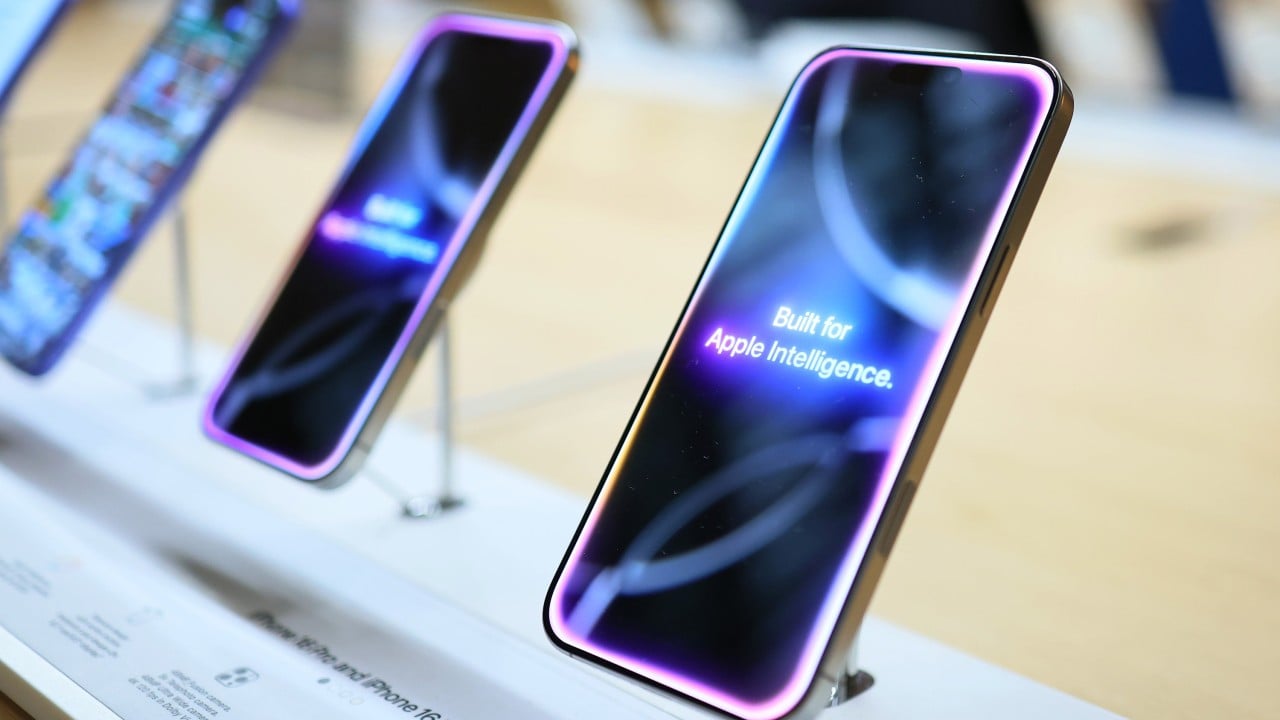
Divergent results for Apple suppliers highlight memory price squeeze ahead of new iPhone
Apple's supply chain challenges highlight the pressures Asian manufacturers face in the evolving smartphone market.

Why is Xiaomi doubling down on in-house chips amid a profit slump?
Xiaomi's strategy of in-house chip development shows how Asian brands adapt to market shifts and supply chain demands.
《人民日報》駁斥美國惡意AI蒸餾指控,警告將採取反制措施

Databricks 將在新加坡投資逾 3.5 億美元,員工人數翻倍

Personetics 推出適用於客戶關係經理的 AI 銀行控制台
