
Banking the Unreached With AI-Led Credit Decisioning
Over 70% of adults in Southeast Asia are unbanked or underbanked, representing a massive $1.5 trillion untapped credit market. Traditional banking models struggle to assess the creditworthiness of this population due to a lack of formal credit history and geographical limitations, leading to a $22 billion gap in potential digital financial services revenue. AI-led credit decisioning offers a solution by analyzing alternative data sources like spending behavior and cash flow dynamics, providing a more comprehensive view of a borrower’s financial health. This approach allows lenders to expand credit access responsibly while maintaining risk controls, as demonstrated by companies like Grab Finance. Successfully implementing AI-led inclusion could secure a generation of first-time borrowers and drive significant growth in the region.
This article highlights a critical intersection of financial inclusion, AI innovation, and market opportunity across Southeast Asia. The region’s vast unbanked population presents a significant challenge for traditional financial institutions but also an immense opportunity for digital lenders leveraging AI. The shift towards AI-led credit decisioning, which utilizes alternative data beyond conventional credit scores, is not just a technological upgrade; it’s a fundamental re-evaluation of how creditworthiness is assessed in emerging markets. This approach can unlock access to financial services for millions, fostering economic growth and reducing financial exclusion. The success of platforms like Grab Finance in expanding credit eligibility demonstrates the tangible impact of these AI-driven strategies.
However, the narrative also underscores the delicate balance regulators face between promoting inclusion, managing risk, and preventing fraud. Fragmented regulatory landscapes and the inherent tension between accessibility and control mean that the deployment of AI in financial services must be accompanied by robust, transparent, and auditable frameworks. The Philippines’ BSP, for instance, is actively navigating this space with new AI model risk management guidelines. The ability of AI to operationalize machine learning directly within origination workflows, providing clear visibility into decision-making, will be crucial for building trust and ensuring responsible lending practices in this rapidly evolving market.
相關文章
6 則
DOST allots P300M for expansion of its AI data centers
The Philippines is also investing heavily in AI infrastructure, with DOST allotting P300M for AI data centers.

Revolut Taps Former GXS Bank CEO for Singapore Advisory Board
Digital lenders like Revolut are expanding in the region, highlighting the evolving landscape of financial services.
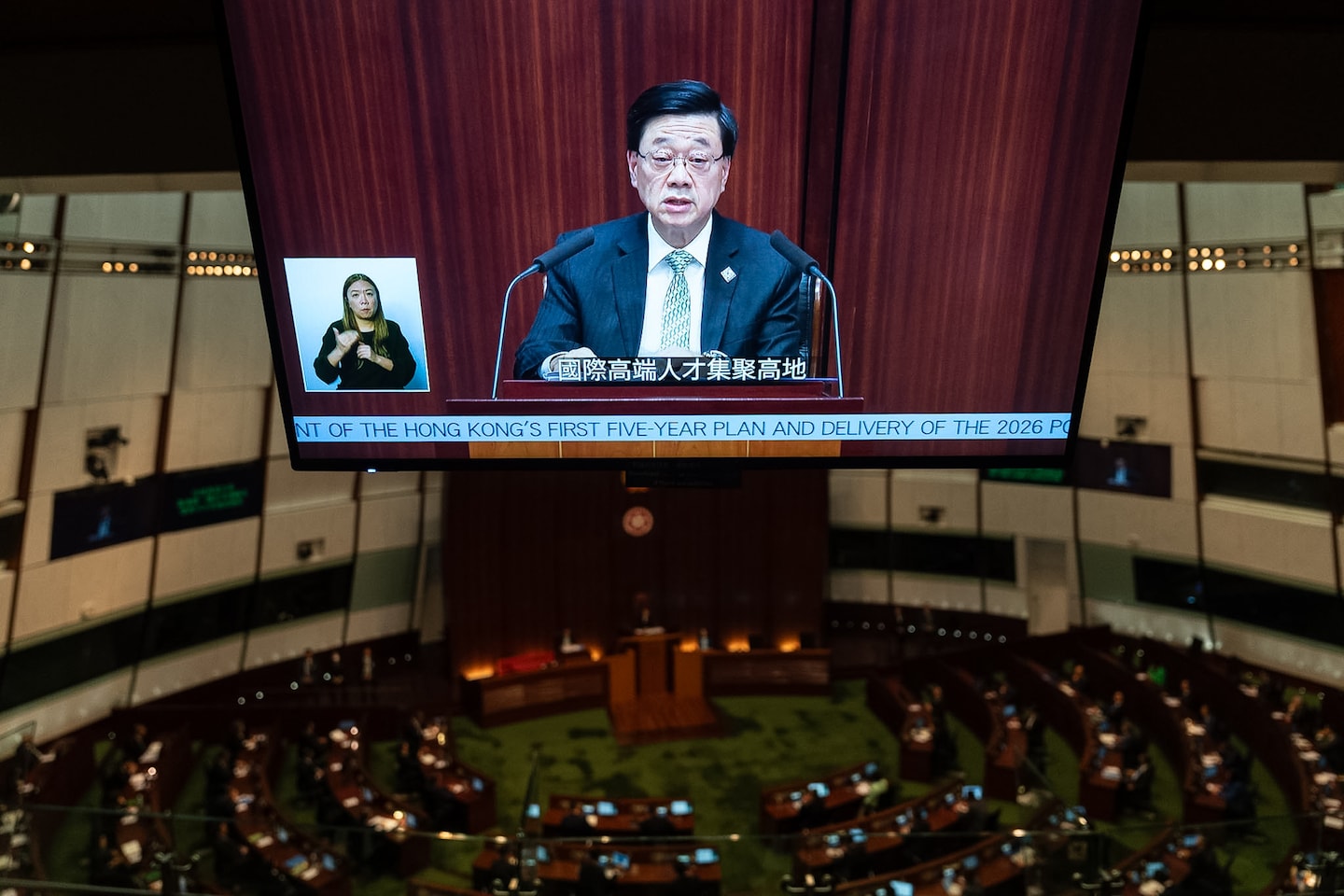
香港首個五年計劃押注AI技能:從幼稚園到勞動人口
SEON擴展詐騙檢查功能,應對AI令偽造身份更易產生

寧德時代收緊供應商審查,推動電動車電池碳中和
