Meta executive leaves for OpenAI as the social media giant faces growing scrutiny in India
Sandhya Devanathan, Meta's vice president for India and Southeast Asia, is departing the company after more than a decade to join OpenAI. She will be based in Singapore and report to OpenAI's Asia-Pacific managing director, Kiran Mani. Devanathan's new role involves overseeing consumer growth, enterprise adoption, partnerships, regulatory engagement, and operations across Southeast Asia and Australia. This appointment follows Prabhjeet Singh's recent hiring as OpenAI's India head, reflecting the AI firm's expanding presence in the Asia Pacific region. Meta has been under increasing scrutiny in India regarding online safety and content moderation issues, including an incident where Instagram restricted a post by Prime Minister Narendra Modi.
OpenAI's hiring of Sandhya Devanathan, a senior Meta executive, points to a clear strategy for regional expansion beyond just India. Devanathan's mandate across Southeast Asia and Australia, coupled with her Singapore base, shows OpenAI is building out its operational and regulatory capabilities in key Asian markets. This move is about more than just a high-profile hire; it reflects OpenAI's commitment to navigating diverse regulatory environments and fostering enterprise adoption in a region with varied tech landscapes. The timing of this hire, shortly after Prabhjeet Singh joined as India head, suggests a coordinated effort to deepen OpenAI's footprint across Asia Pacific. The company has opened offices in Singapore, Tokyo, Seoul, Sydney, and Delhi over the past two years. The challenge for OpenAI will be to translate these executive hires and office openings into tangible market share and regulatory acceptance, especially as local AI players emerge and governments consider new AI policies.
相关文章
6 则
MiniMax expands Alibaba cloud pact as compute needs surge for training and inference
OpenAI's expansion in Asia Pacific echoes MiniMax's own compute needs surging for training and inference.
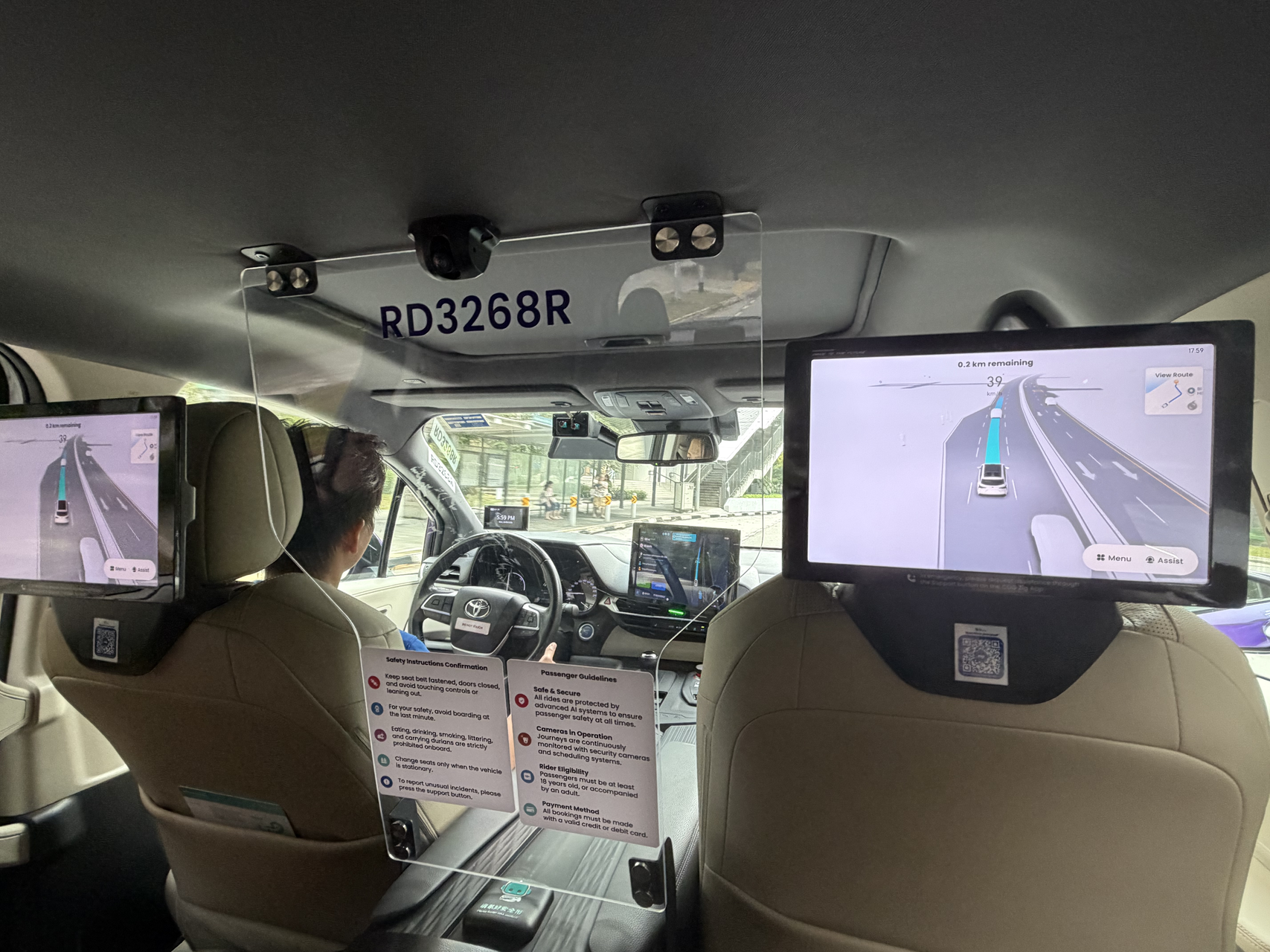
如果无人驾驶汽车已经可行,为何它们尚未普及?

《人民日报》驳斥美国恶意AI蒸馏指控,警告将采取反制措施

Databricks 将在新加坡投资逾 3.5 亿美元,员工人数翻倍

随着深度伪造风险增长,Sumsub 推出员工验证方案