
China’s humanoid robots aren’t smart enough to take your job – yet
China is aggressively funding humanoid robot development, with government entities investing at least US$230 million in the first half of the year, a significant increase from US$6 million in 2024. This push aims to address an aging population and establish dominance in critical industrial technology, mirroring past strategies for EVs and solar panels. However, current humanoid robots are slow and lack the intelligence for general-purpose work, struggling with tasks requiring intuition outside of choreographed demonstrations. Despite these limitations, Chinese manufacturers accounted for 95% of the 20,000 humanoid units shipped globally last year, with projections for 100,000 units this year. The industry faces a widening gap between government ambitions and robot capabilities, leading to overcapacity and falling prices, with some founders calling the sector a "bubble."
China's rapid expansion into humanoid robotics, driven by substantial government subsidies and procurement, reflects a strategic play to dominate a nascent industry, similar to its approach with electric vehicles. While Chinese manufacturers shipped 95% of the 20,000 global units last year, the robots themselves are still largely unintelligent, requiring extensive human training for basic tasks and struggling with real-world adaptability. This creates a market where manufacturing capacity, projected to reach 100,000 units this year, far outstrips practical commercial demand, leading to falling prices and a dependence on state funding for profitability. The real story for Asia is the deliberate creation of a "Hunger Games" environment within China's robotics sector. This strategy, while leading to overcapacity and potential consolidation, aims to accelerate innovation and drive down costs, ultimately positioning Chinese firms like UBTech and Unitree as global leaders. The thing to watch is how this intense domestic competition will force technological breakthroughs in embodied AI, especially in vision-language-action models, which are crucial for robots to operate effectively outside controlled environments. For regional players, China's aggressive component pricing, already challenging foreign competitors, suggests a future where dependence on Chinese hardware could become unavoidable, as seen at RoboCup 2026 where most teams used Chinese robots. The US ban on Chinese humanoid imports highlights the geopolitical implications of this technological race, but Beijing's focus remains on building a robust domestic supply chain and data ecosystem to overcome current intelligence deficits within two to three years.
相关文章
6 则
Trump Announces Plans for World’s Largest AI Data Center to Beat China
The global race for AI dominance, including in robotics, is a key geopolitical battleground for both China and the US.
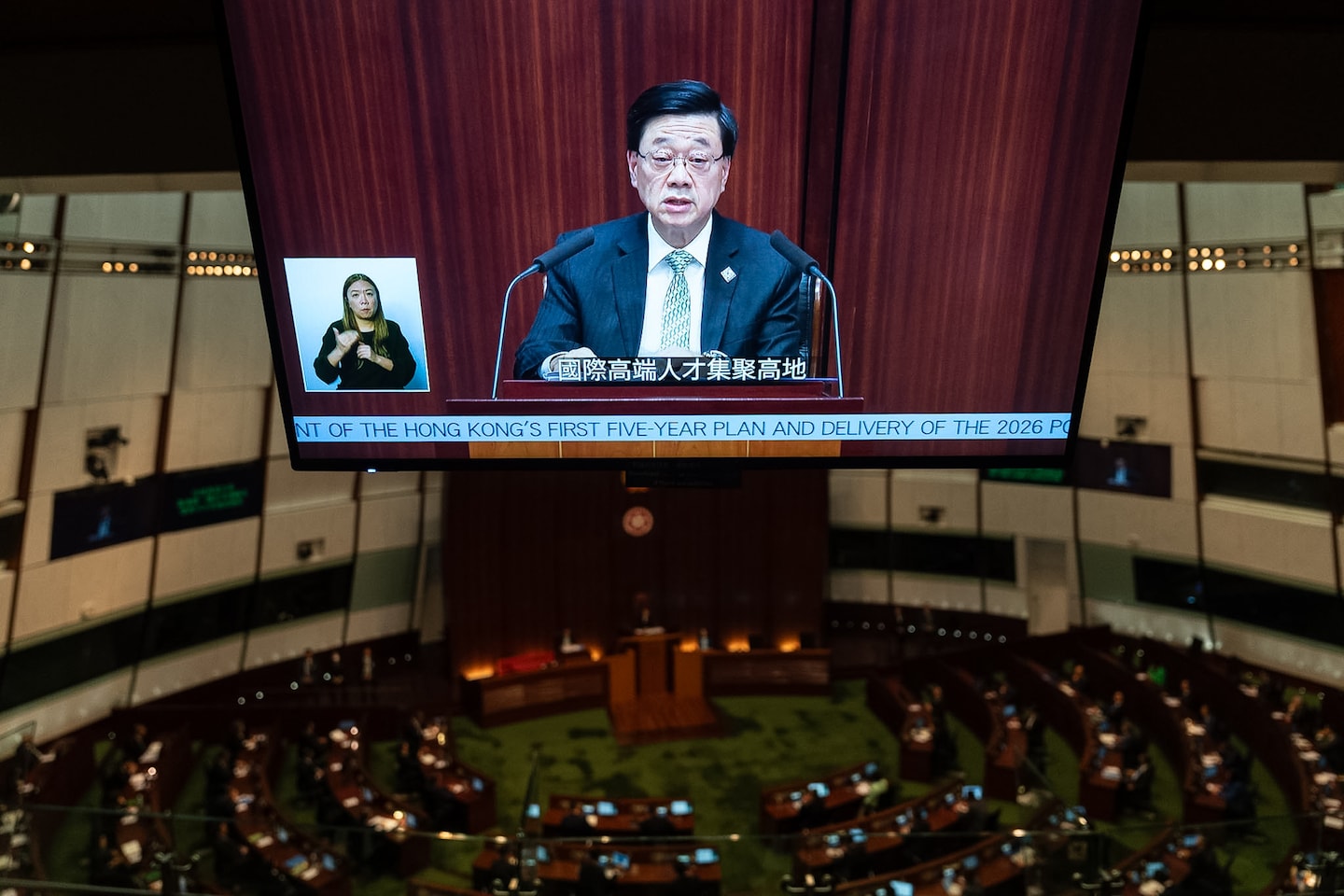
香港首个五年计划押注AI技能:从幼儿园到劳动力

SEON扩展欺诈检查功能,应对AI使伪造身份更易生成

宁德时代收紧供应商审查,推动电动汽车电池碳中和

儿童性侵内容争议:Meta承认失误,政府质疑其“安全港”地位
