
US export curbs have reshaped China’s tech scene around ‘chokepoints’: report
Chinese technology companies are increasingly focusing on key 'chokepoint' technologies, particularly in the semiconductor supply chain, as a direct result of US export controls. A Morgan Stanley report indicates that about 20 percent of companies launching IPOs on Shanghai’s Star Market this year are addressing these critical bottlenecks, a significant rise from 8.1 percent in 2022. The report, which analyzed 229 IPOs between 2022 and mid-July 2026, also found that approximately 60 percent of firms in 2026 contributed to China’s push for supply chain self-sufficiency, up from 41 percent four years ago. This shift reflects Beijing's strategy to reduce reliance on foreign technology, with 19 of 21 identified chokepoint companies this year operating in the semiconductor sector.
US export controls have fundamentally reshaped China's tech startup landscape, pushing capital and innovation into critical "chokepoint" technologies. The most striking observation is the concentration on semiconductors, with 19 of 21 identified chokepoint companies in 2026 operating in this sector. This reflects a strategic pivot by Beijing to foster domestic self-sufficiency, moving beyond a broad mix of strategic goods to a laser focus on upstream components like raw materials, complex machinery, and core manufacturing tools. For Asia's tech industry, this means increased competition and potential for new domestic champions within China's semiconductor supply chain. While it aims to reduce reliance on foreign tech, it also creates opportunities for Chinese firms to scale up, as evidenced by the 20 percent of Star Market IPOs this year tackling these bottlenecks, up from 8.1 percent in 2022. The thing to watch is how these newly capitalized Chinese firms will impact regional and global supply chains, especially as they mature and potentially seek markets beyond China.
相關文章
6 則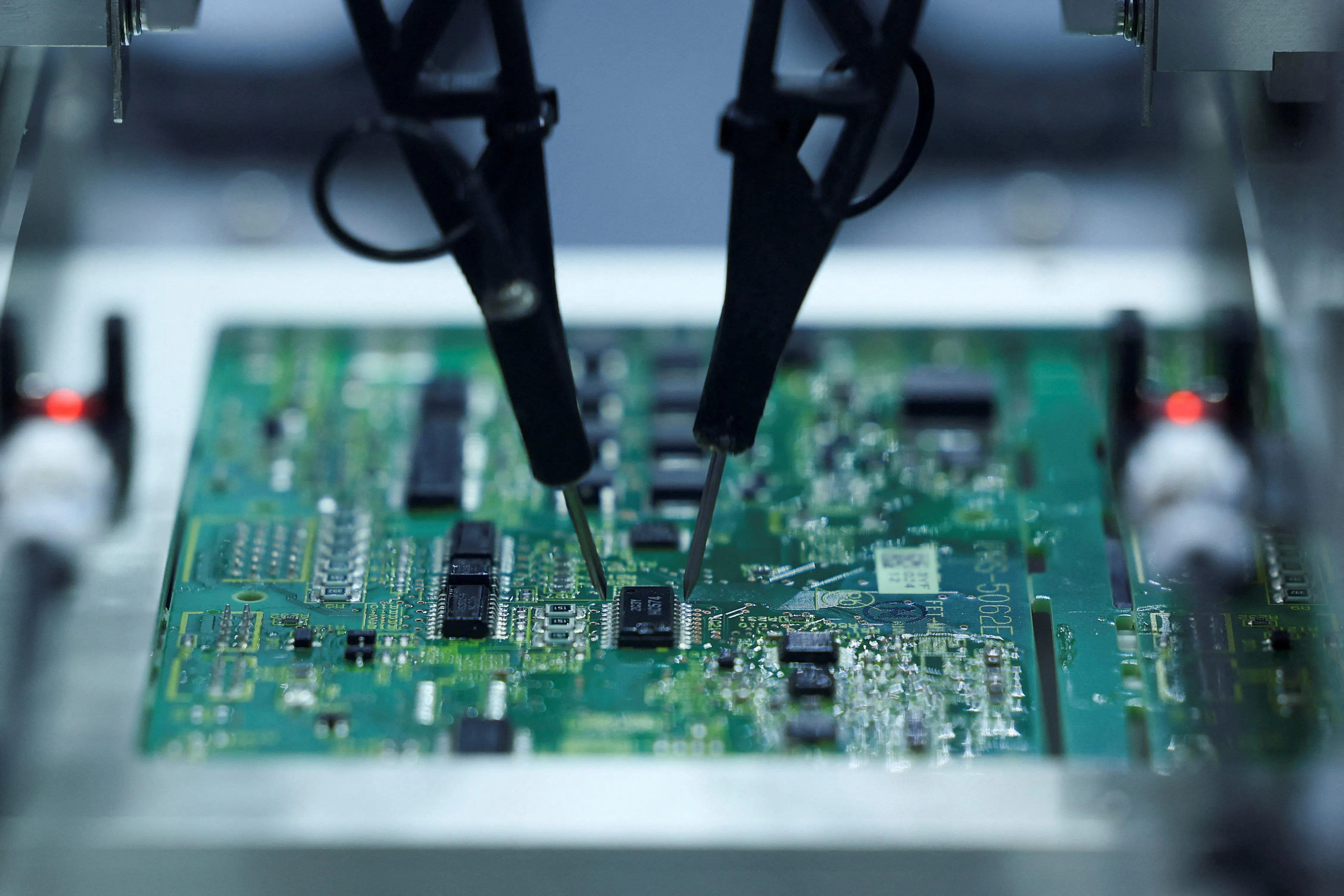
Falling AI token costs could fuel next leg of Singapore semiconductor rally: analysts
Our analysts recently explored how falling AI token costs could fuel a semiconductor rally in Singapore.
《人民日報》駁斥美國惡意AI蒸餾指控,警告將採取反制措施

Databricks 將在新加坡投資逾 3.5 億美元,員工人數翻倍
字節跳動的AI短劇應用程式超越中國Netflix競爭對手總和

Personetics 推出適用於客戶關係經理的 AI 銀行控制台
