
Trump orders new 15% tariff on key material for solar panels and microchips
Former US President Donald Trump has announced a new 15% tariff on imported products containing polysilicon, a critical material for both microchips and solar panels. This measure, set to take effect on December 4, is explicitly designed to bolster domestic US supply chains and reduce reliance on China, which is the primary global producer of polysilicon. The move underscores a continued effort by the US to strengthen its competitive position in key technological sectors, particularly artificial intelligence and renewable energy, against Beijing. This tariff could have significant implications for global manufacturing and trade dynamics, potentially reshaping supply chains for essential tech components.
This new US tariff on polysilicon, a material central to both semiconductor and solar panel production, carries substantial implications for Asia’s tech ecosystem. China, as the dominant global producer of polysilicon, will undoubtedly feel the direct impact, potentially accelerating its efforts to develop more robust domestic consumption and alternative export markets. For other Asian economies deeply integrated into global electronics and solar supply chains, this tariff could lead to increased costs for imported components or a push to diversify their own sourcing strategies away from Chinese polysilicon, even if indirectly. This could spur investment in polysilicon production capabilities in other Asian nations or encourage a shift towards alternative materials and manufacturing processes to mitigate supply chain risks.
The broader trend here is the continued decoupling of US and Chinese tech supply chains, which forces Asian manufacturers and tech companies to navigate an increasingly bifurcated global market. Companies across Asia, from chipmakers in Taiwan and South Korea to solar panel manufacturers in Southeast Asia, will need to re-evaluate their material sourcing and production strategies to remain competitive and compliant. This tariff is not just about polysilicon; it signals an ongoing strategic competition that will continue to reshape investment flows, technological development, and trade relationships across the entire Asian continent.
分享這篇文章
相關文章
6 則
Trump Announces Plans for World’s Largest AI Data Center to Beat China
Trump's AI data center plans also highlight the US strategy to counter China's tech dominance.
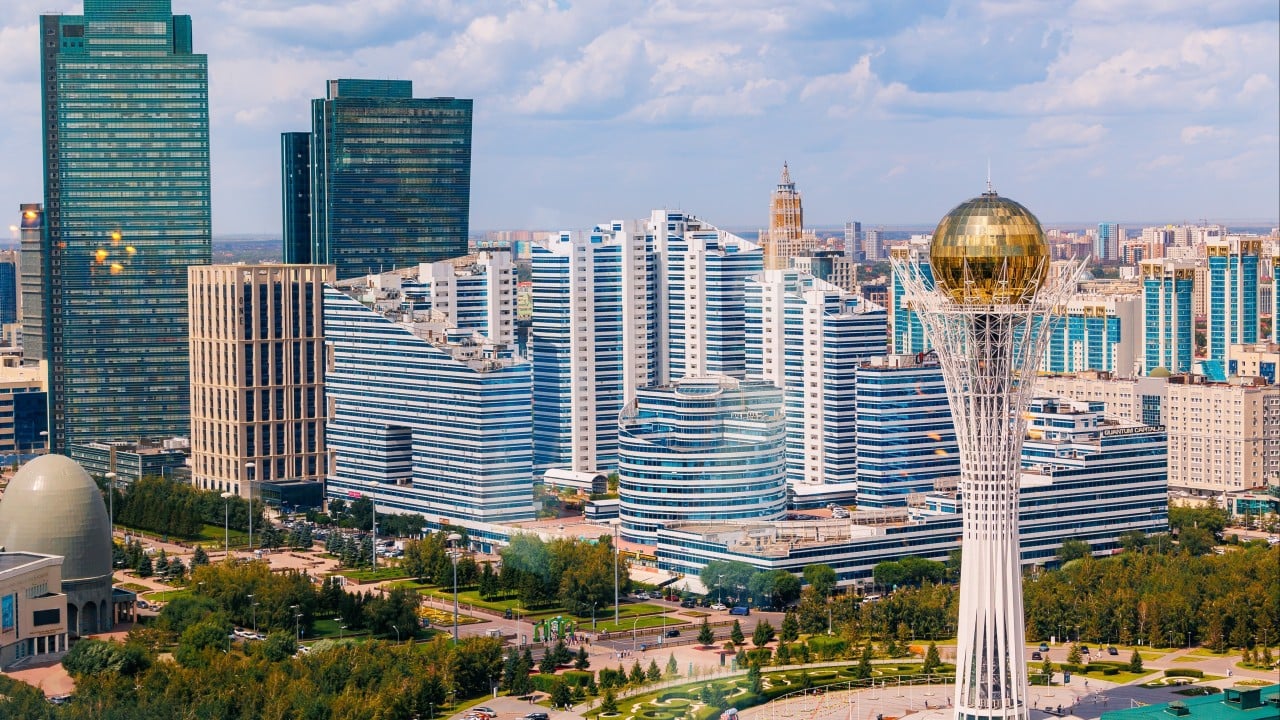
美國抑或中國?哈薩克發展人工智能拒絕選邊站

LUXEED 與 Aimoga 機器人:透過互聯的人車家生態系統共同建構未來出行

馬來西亞希望擺脫Waze。司機們會轉用嗎?

Stripe 發票不等於收入:如何透過網絡掛鈎將其轉化為 ASC 606 附表
