‘The river... was going to consume the entire world’: Nepal flood survivors recount harrowing experience
A flash flood on August 26 devastated communities along the Bhote Koshi and Trishuli Rivers in northern Nepal, washing away an under-construction hydropower dam. Survivors, including Bikash Tharu, an electrical technician, recounted narrow escapes due to unforeseen delays. The Nepali army established a relief camp in Nuwakot, evacuating over 5,000 people by August 29. Many survivors arrived with injuries and trauma, requiring medical attention and psychological counseling, with severe cases airlifted to Kathmandu hospitals. Authorities are also working to identify victims, sharing fingerprints from recovered bodies with foreign countries.
The Nepal flood disaster on August 26 highlights the significant infrastructure risks in developing Asian economies, particularly those reliant on hydropower. The destruction of an under-construction dam along the Bhote Koshi River points to vulnerabilities in large-scale energy projects. While the immediate focus is on humanitarian aid, with over 5,000 survivors processed at the Nuwakot relief camp, the long-term implications for energy security and future infrastructure development in Nepal are considerable. This event underscores the need for robust disaster preparedness and resilient engineering in regions prone to extreme weather events. The human cost is also a critical factor, with survivors like Jari Bardewa, 73, experiencing severe trauma and physical injuries. The ongoing psychological support for those who lost loved ones and homes will be a sustained challenge for the Nepali government. For Asia, this incident serves as a stark reminder of how climate-related events can disrupt national development plans and place immense strain on public health and social services.
相關文章
6 則
Marcos orders study of rainwater project to boost Pampanga water supply
The Philippines is also grappling with water infrastructure challenges, as Marcos orders a study on rainwater projects.
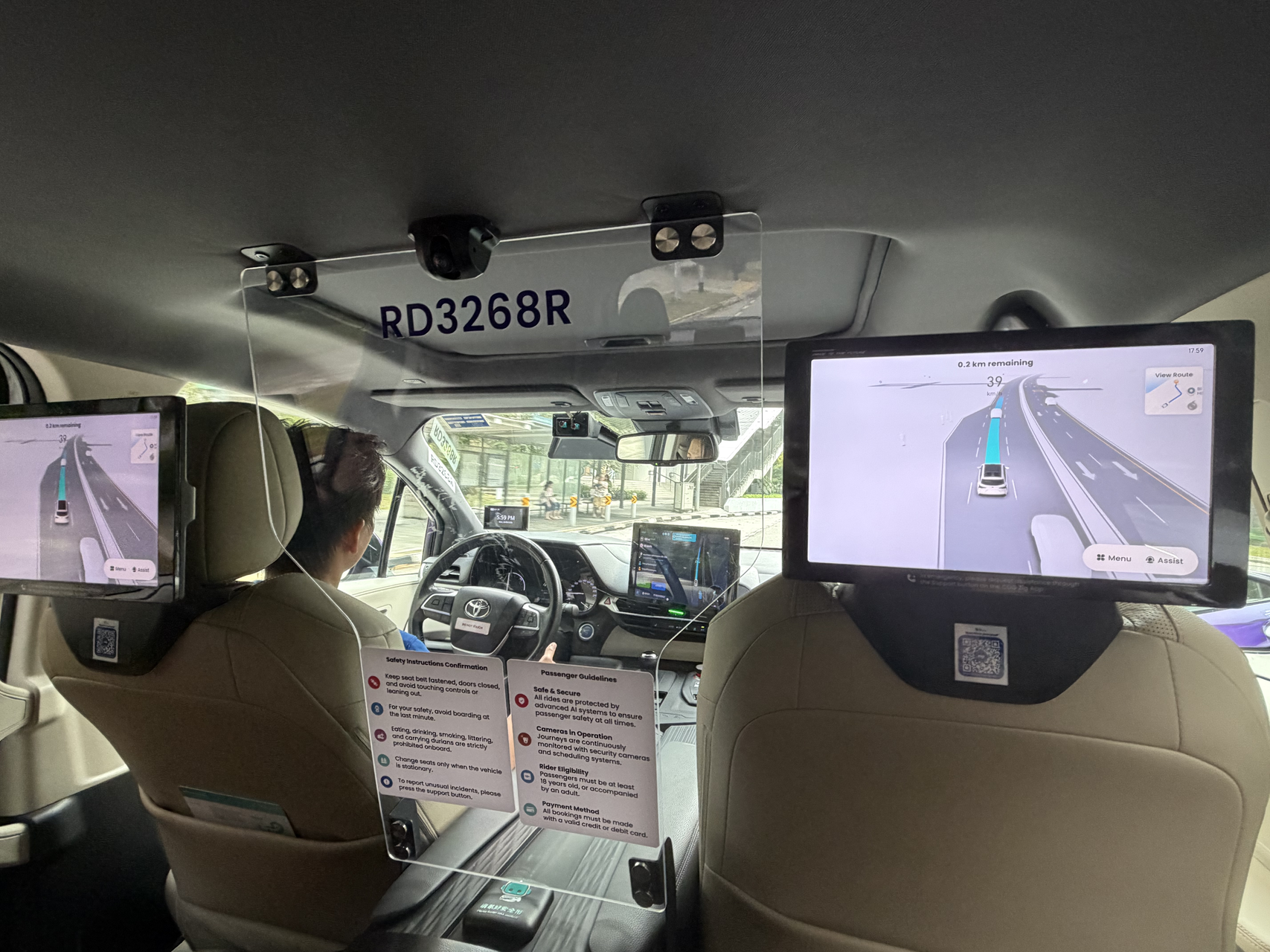
如果無人駕駛汽車已經可行,為何它們尚未普及?

Databricks 將在新加坡投資逾 3.5 億美元,員工人數翻倍

隨著深度偽造風險增長,Sumsub 推出員工驗證方案

字節跳動的AI短劇應用程式超越中國Netflix競爭對手總和