
Sanrio and Pop Mart are winning at cute, but face a valuation reset
Sanrio, the company behind Hello Kitty, experienced a significant share drop after its Q1 FY2027 earnings failed to meet market expectations, despite reporting strong revenue and net profit growth. The disappointment stemmed from operating profit falling short and the company maintaining its full-year outlook, signaling a potential moderation in its rapid growth. This comes after a period of robust recovery driven by a restructuring under new leadership, which diversified its IP portfolio, emphasized licensing, and expanded significantly in China through a partnership with Alibaba’s Alifish. The market reaction suggests investors are now scrutinizing Sanrio’s ability to sustain growth across multiple characters, regions, and business formats beyond its initial resurgence.
Sanrio's recent stock performance highlights a critical juncture for established character IP businesses in Asia, particularly as they navigate investor expectations for sustained, diversified growth. The company's successful pivot from Hello Kitty dependence to a broader IP portfolio, heavily aided by its strategic partnership with Alibaba's Alifish in China, showcases the immense potential of localized licensing and direct retail expansion in the region. This strategy not only revitalized Sanrio but also demonstrates how global IP holders can leverage Asian tech platforms for market penetration and operational efficiency, transforming their business models from asset-heavy to more agile, licensing-focused operations. The rapid rise of characters like Kuromi in China, surpassing Hello Kitty, underscores the dynamic nature of consumer preferences in key Asian markets and the importance of adapting IP strategies to local tastes.
The comparison with Pop Mart further illuminates evolving market dynamics. While both companies thrive on narrative-light character IPs, their differing business models—Sanrio's licensing versus Pop Mart's direct retail—present distinct challenges and opportunities for valuation. The successful collaboration between Sanrio and Pop Mart, exemplified by their blind box series, points to a future where IP companies may increasingly form strategic alliances to expand reach and engage consumers across diverse ecosystems. Ultimately, the market's reaction to Sanrio's earnings signals a shift in investor focus from initial growth to the long-term sustainability and diversification of IP monetization, pushing companies to innovate beyond traditional merchandise into content, experiences, and digital entertainment.
分享這篇文章
相關文章
6 則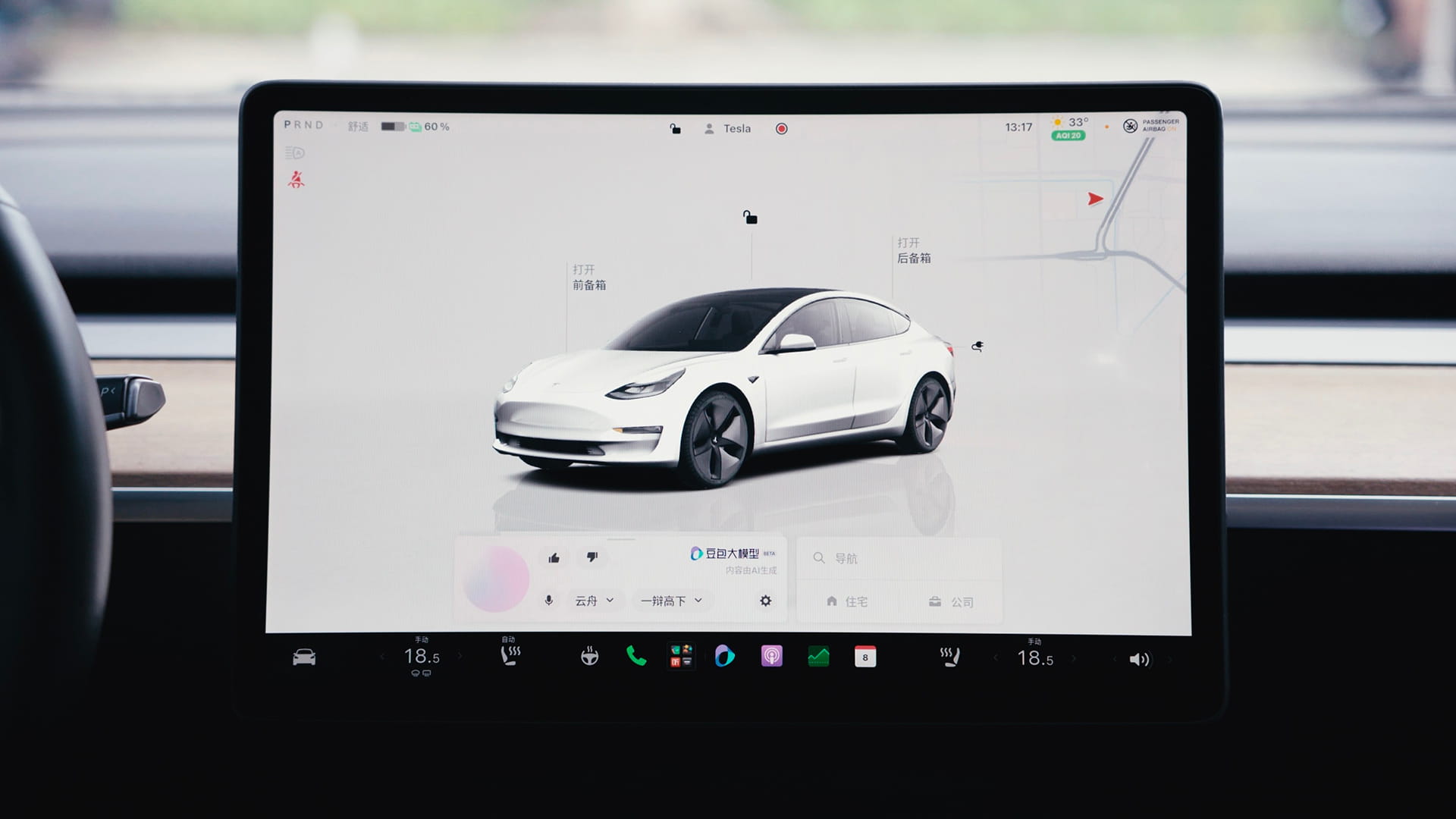
Why Tesla chose ByteDance’s Doubao for its AI push in China
Sanrio's Alibaba partnership shows how global IP holders leverage Asian tech platforms, much like Tesla chose ByteDance's Doubao.
美國抑或中國?哈薩克發展人工智能拒絕選邊站

LUXEED 與 Aimoga 機器人:透過互聯的人車家生態系統共同建構未來出行

馬來西亞希望擺脫Waze。司機們會轉用嗎?

Stripe 發票不等於收入:如何透過網絡掛鈎將其轉化為 ASC 606 附表
