
JD.com wants to build the infrastructure robots still lack
JD.com is intensifying its push into robotics by focusing on building essential industry infrastructure, rather than just showcasing individual robot capabilities. The company aims to address the gaps in supply chains, data, delivery, operations, and maintenance that hinder widespread robot adoption. JD.com presented a vision for a future city powered by robotics at the World Robot Conference, encompassing training systems, component procurement, and repair services across various industrial and home settings. This strategy reflects a shift in industry sentiment from questioning the viability of robotics to focusing on effective scaling. JD.com plans to commit RMB 10 billion (USD 1.5 billion) to robotics by 2028, aiming to help 100 brands surpass RMB 1 billion (USD 148.4 million) in sales each.
JD.com's strategy to build underlying infrastructure for the robotics industry in China is a significant development. The company is leveraging its existing retail and supply chain networks to aggregate demand and standardize components like batteries, which could reduce costs and accelerate market entry for robotics firms. This approach addresses a critical bottleneck: the fragmented support systems that make scaling difficult for individual robot manufacturers. The company's plan to establish 80 RoboBase facilities globally over the next five years, offering full-lifecycle services from production to repair, suggests a long-term commitment. This could create a shared service model, similar to its logistics infrastructure, enabling more efficient deployment and maintenance of robots across various sectors. The thing to watch is whether JD.com can effectively coordinate diverse industry players to adopt these standards and services, especially given the nascent stage of many robot categories. JD.com's goal to collect over 10 million hours of real-world scenario data in the next two years is also notable. High-quality, real-world data is crucial for training embodied AI models. By providing this, alongside its infrastructure, JD.com aims to shorten the distance between technological iteration and market feedback, potentially accelerating the commercialization of robots in China and beyond.
分享這篇文章
相關文章
6 則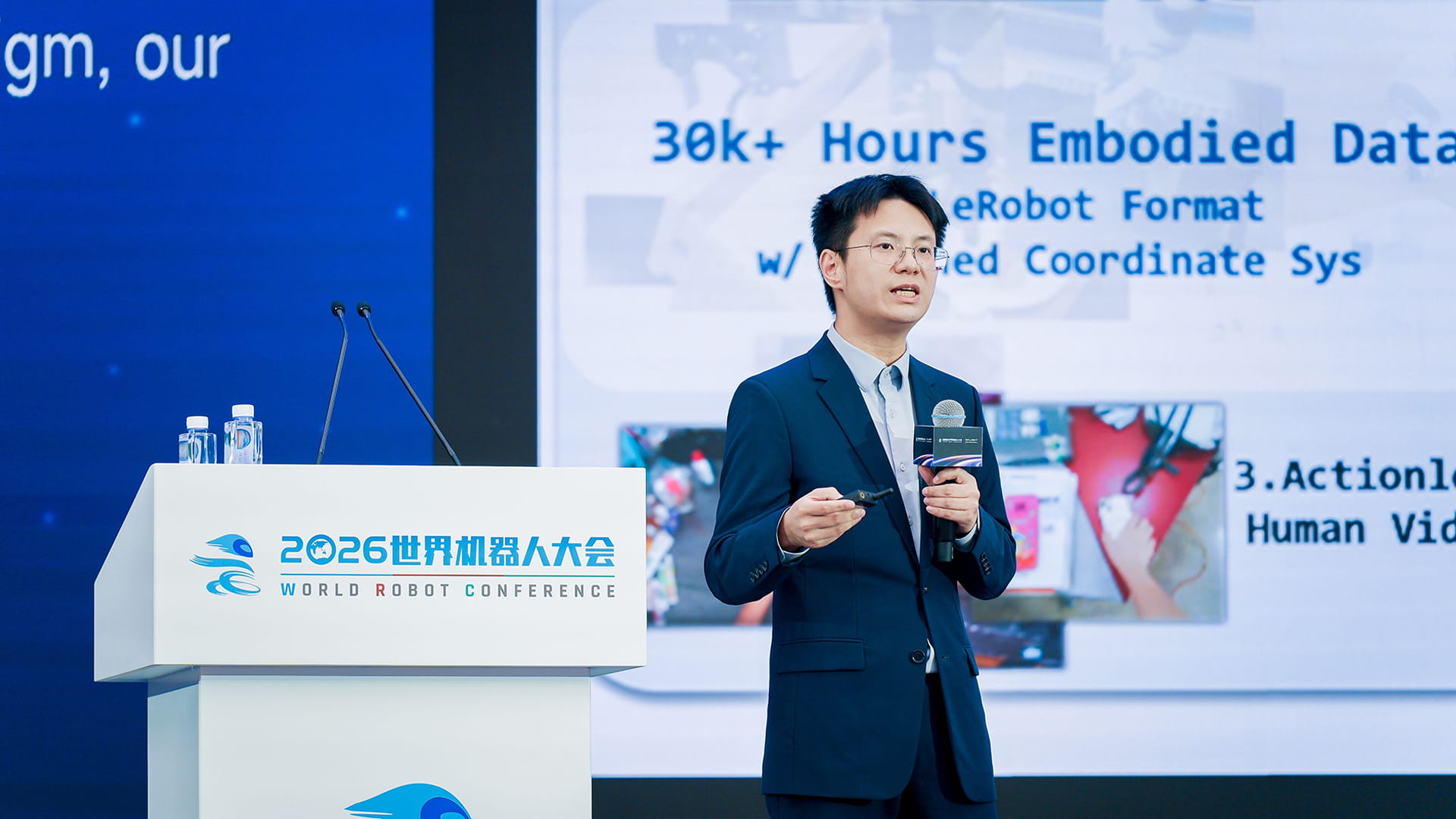
Is the frontier of humanoid robotics shifting from hardware to intelligence?
We explored the shift from robotics hardware to intelligence, a key challenge JD.com's infrastructure aims to address.

美國抑或中國?哈薩克發展人工智能拒絕選邊站

LUXEED 與 Aimoga 機器人:透過互聯的人車家生態系統共同建構未來出行

馬來西亞希望擺脫Waze。司機們會轉用嗎?

Stripe 發票不等於收入:如何透過網絡掛鈎將其轉化為 ASC 606 附表
