
Google CTO Visits Taiwan to Line Up Partners for TPU Mass Production
Google CTO Amin Vahdat visited Taiwan to secure manufacturing partners for the mass production of servers built around Google's next-generation Tensor Processing Unit (TPU). Vahdat spoke at Semicon Taiwan 2026 and held private meetings with semiconductor supply chain companies. Google's new Zebrafish TPU is expected to enter mass production at TSMC in the second half of the year, with server assembly to follow. Foxconn, Quanta, and Compal are cited as likely partners for these new TPU server orders. Alphabet has doubled its capital expenditure guidance for this year, with further increases expected in 2027, reflecting the demand for AI computing power.
Google's push to line up Taiwanese manufacturers for its next-generation TPUs, including Zebrafish and Sunfish, points to a significant ramp-up in its proprietary AI hardware strategy. This initiative aims to reduce Google's reliance on Nvidia's GPUs by boosting its in-house ASIC production. Foxconn, already seeing its ASIC server revenue share rise above 10% last year, stands to gain substantially, with a stated goal of over 40% of the ASIC market. Compal, a newer entrant in AI servers, also secured TPU server orders in the first half of this year, which analysts expect to impact its revenue and operating profit by next year. The real story for Asia is the deepening integration of Taiwan's contract manufacturers into Google's core AI infrastructure. This is not just about server assembly; it reflects a strategic shift where Taiwanese firms are becoming critical to Google's ability to scale its AI compute. The increased capital expenditure from Alphabet, projected to be between $195 billion and $205 billion this year, underscores the scale of this commitment and the potential for long-term revenue streams for partners like Foxconn and Compal. The thing to watch is how quickly these new TPU server orders translate into tangible revenue growth for the Taiwanese partners and whether Google's TPUs can truly challenge Nvidia's dominance in the broader AI chip market. Foxconn's aggressive target of 40% of the ASIC market suggests confidence in this shift, but execution on volume and performance will be key.
相關文章
6 則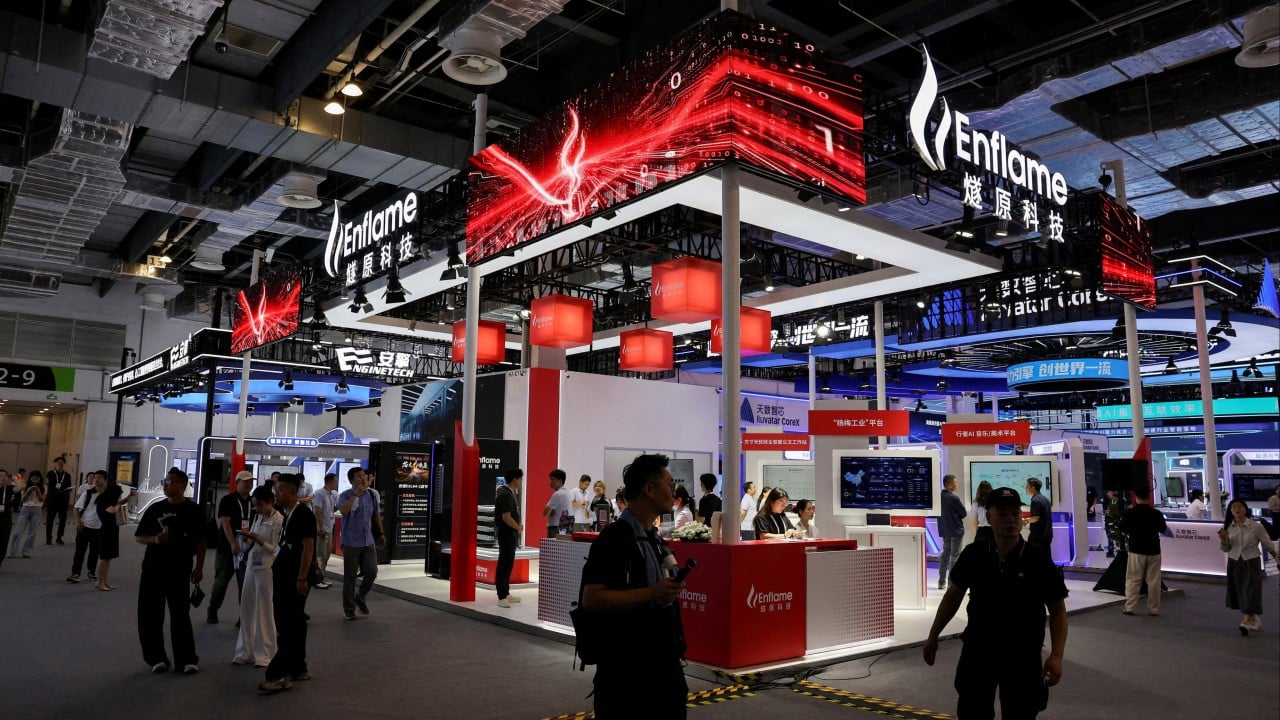
Chinese chipmaker Enflame 4,073 times oversubscribed in Shanghai IPO amid Nvidia race
We previously covered Chinese chipmakers like Enflame racing to compete in the AI hardware market against Nvidia.
US export curbs have reshaped China’s tech scene around ‘chokepoints’: report
US export curbs have reshaped China's tech scene, driving the push for in-house ASIC production seen here.
《人民日報》駁斥美國惡意AI蒸餾指控,警告將採取反制措施

Databricks 將在新加坡投資逾 3.5 億美元,員工人數翻倍

Personetics 推出適用於客戶關係經理的 AI 銀行控制台
