Don’t be blinded by the semiconductor export boom
South Korea’s export economy is experiencing a significant K-shaped polarization, with a surge in semiconductor shipments masking underlying weaknesses in other sectors. The top five exporters, including Samsung Electronics and SK hynix, accounted for 43.5 percent of total exports in the first quarter of this year, a sharp increase from 28.7 percent a year earlier. This semiconductor-driven boom, while boosting overall export figures and economic growth forecasts, is creating an over-reliance on a single industry. Experts warn that this dependence could make Korea vulnerable if the semiconductor supercycle ends, urging the government to use current profits to diversify and strengthen other industrial sectors.
This report highlights a critical vulnerability within South Korea’s seemingly robust export economy: an over-reliance on its semiconductor sector. While the impressive growth in chip exports is a boon for headline economic figures and major players like Samsung and SK hynix, it obscures a concerning polarization. The vast majority of export growth is concentrated in a handful of semiconductor giants, leaving traditional industries like steel and petrochemicals struggling and losing competitiveness against regional rivals, particularly China. This K-shaped recovery means that beneath the surface of strong national export numbers, the broader industrial base is weakening, creating an unsustainable economic structure.
For Asia’s tech ecosystem, this situation underscores the double-edged sword of hyper-specialization. While South Korea’s dominance in memory semiconductors is a strategic asset, its excessive dependence on this single sector for national economic health presents significant risks. A downturn in the global semiconductor market, intensified competition, or geopolitical shifts could have disproportionately severe consequences. The call for diversification and structural reform is not just about economic stability but also about fostering a more resilient and innovative tech landscape beyond chips, encouraging investment in emerging technologies and strengthening other high-value manufacturing sectors across the region.
相關文章
6 則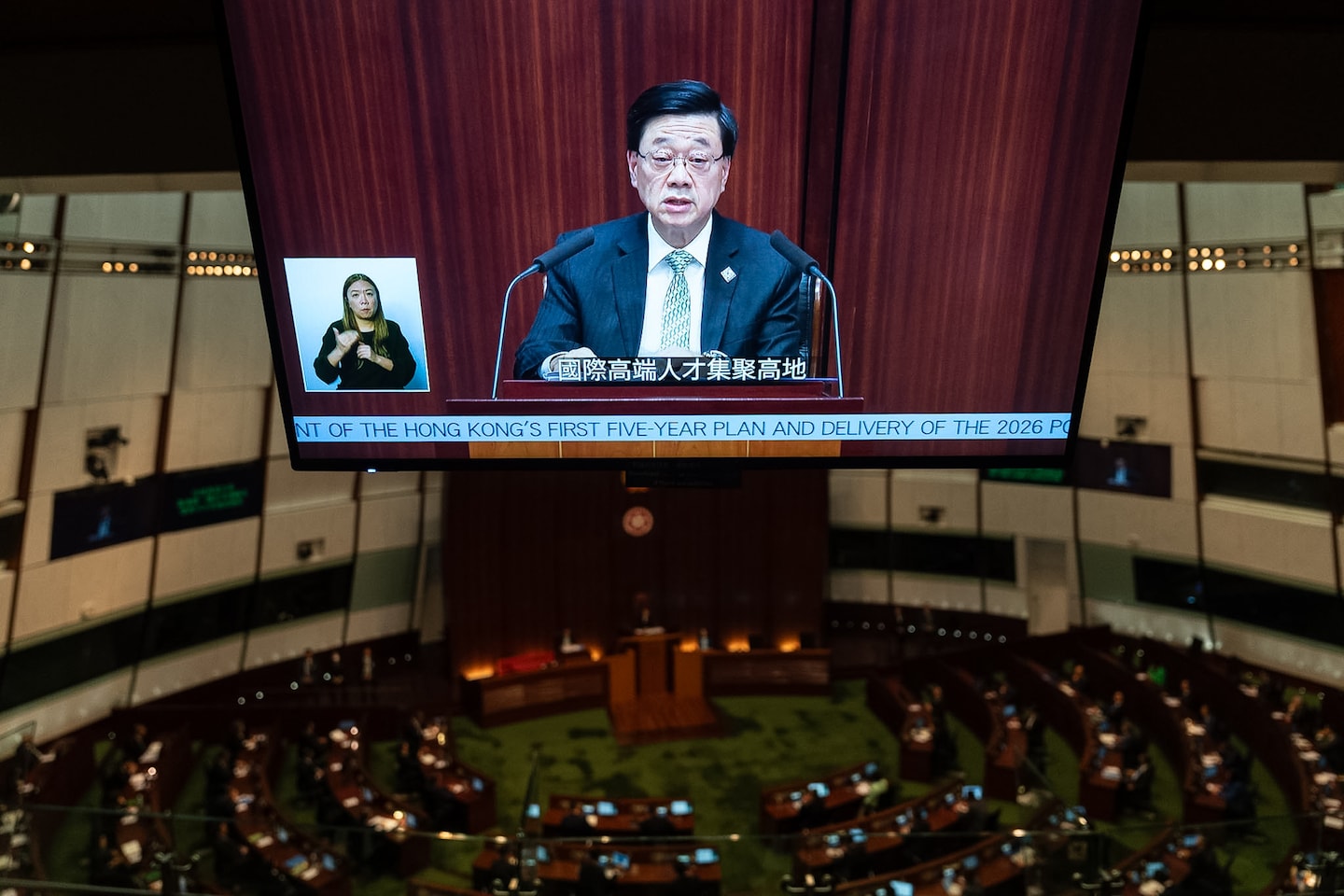
香港首個五年計劃押注AI技能:從幼稚園到勞動人口
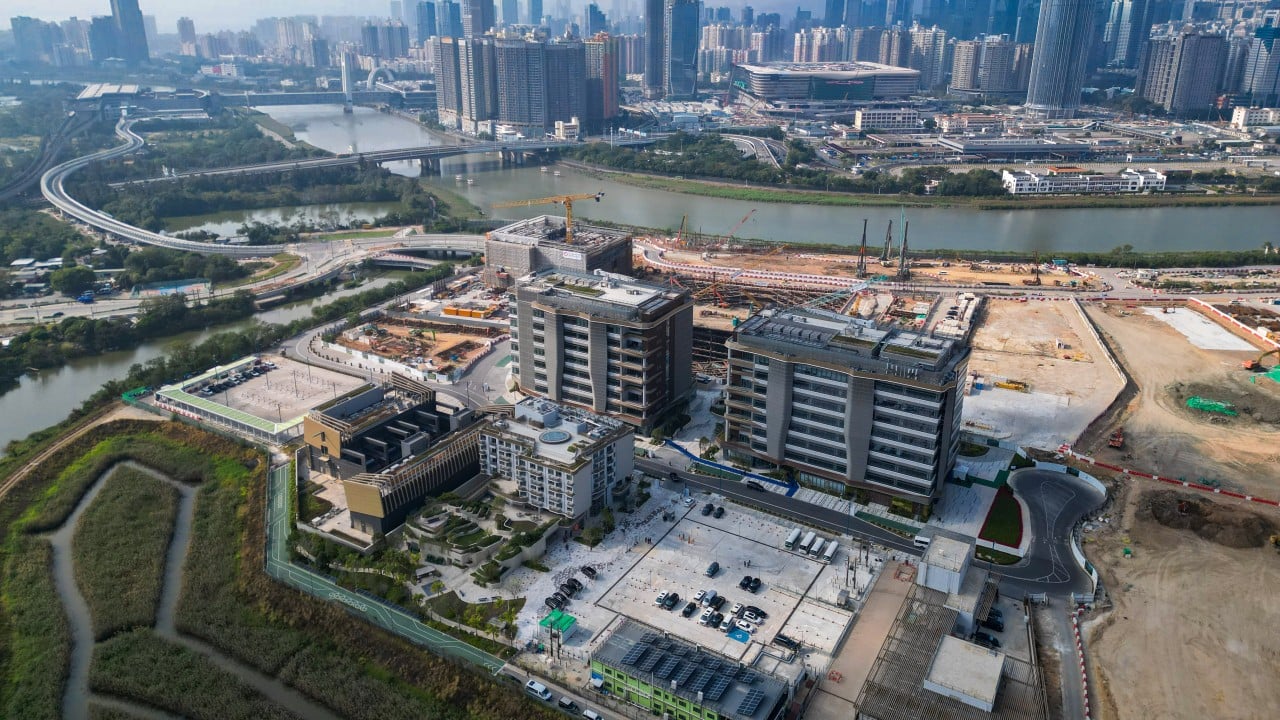
Hong Kong aims to raise innovation spending to 3% of GDP by about 2030
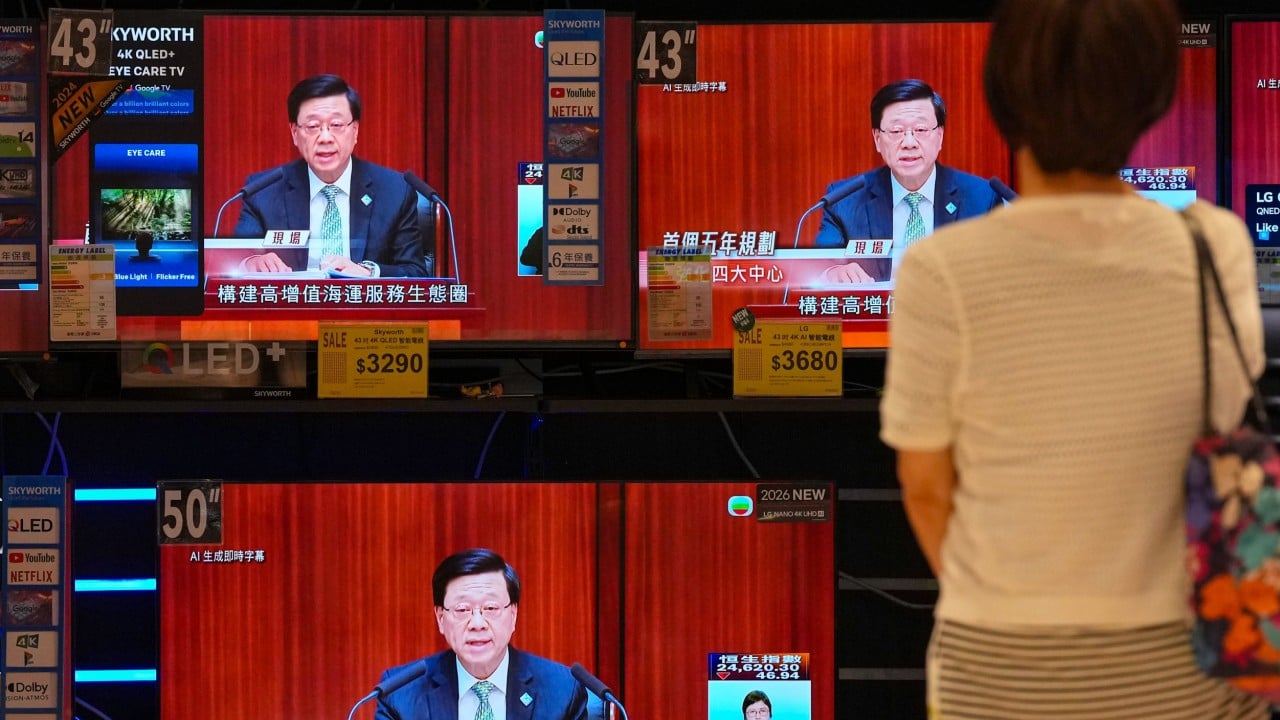
Hong Kong sets 5-year plan to double innovation spending, boost new industries

Hong Kong to woo finance and tech firms with new tax breaks

據報SK Hynix正與Intel洽談在美國生產記憶體晶片