Chinese military’s AI attack chain lags foreign models: researchers
A recent study by Chinese researchers indicates that China's military AI models are less advanced than foreign equivalents. The paper, published in July in the journal Defence Industry Conversion in China, found that the People's Liberation Army (PLA) primarily uses AI for support functions like intelligent question-answering and content generation. Offensive combat applications of AI remain in an exploratory stage, with limited theoretical and empirical research. This assessment comes from researchers affiliated with the Armed Police Force Shandong Corps and the Engineering University of People’s Armed Police. The findings highlight a performance gap in military AI as the US and China increasingly view AI as a core component of strategic competition.
Chinese military AI models are lagging behind foreign counterparts, focusing mainly on auxiliary functions rather than direct combat applications. A July paper from researchers at the Armed Police Force Shandong Corps and the Engineering University of People’s Armed Police noted that offensive AI uses are still exploratory, with a significant performance gap compared to international large language models. This suggests that while China is investing in military AI, its practical combat integration is not as advanced as some external analyses might assume. For Asia, this points to a more nuanced reality in the regional military AI race. While China is a major player, its current capabilities in this specific domain are internally assessed as trailing. The focus on support functions could allow for rapid improvements in operational efficiency, but the slower development in offensive AI suggests a longer runway before these systems become a decisive factor in direct military engagements across the Indo-Pacific. The key thing to watch is how quickly China can bridge this reported performance gap in offensive AI applications.
相關文章
6 則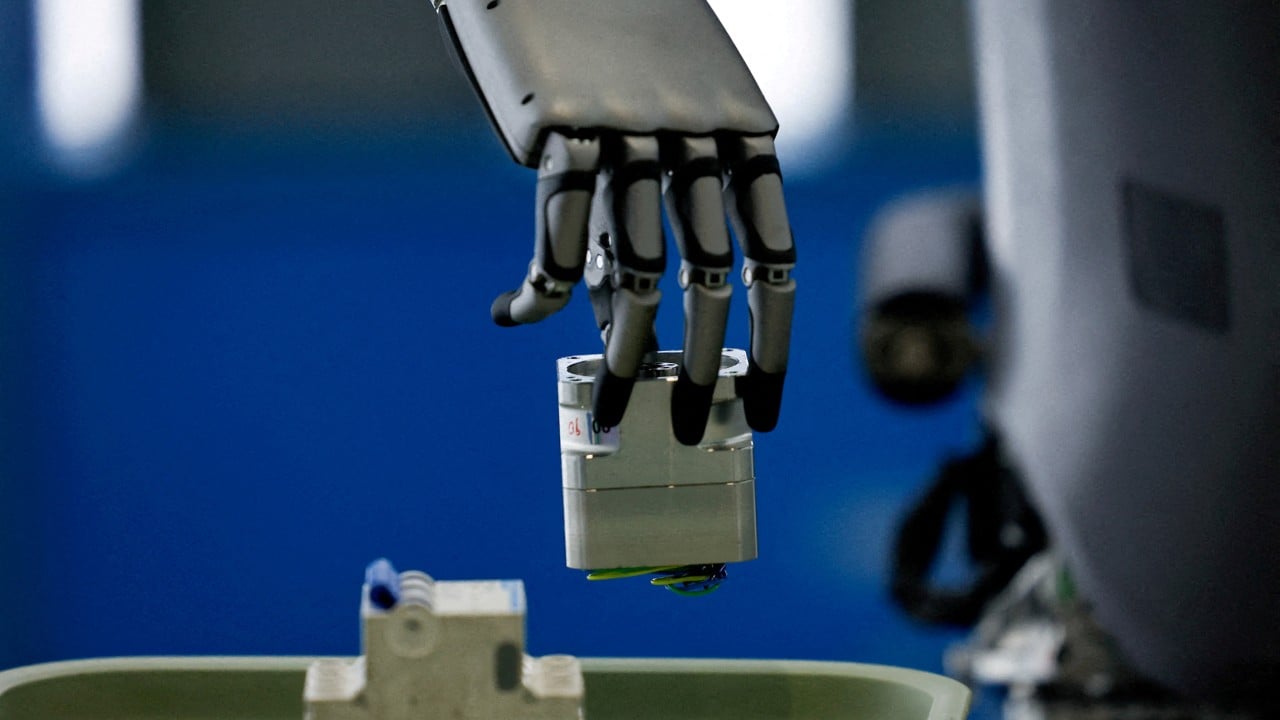
China’s robot revolution may not arrive in the way you expect
Our earlier reporting explored how China's AI revolution might unfold differently than many expect.

《人民日報》駁斥美國惡意AI蒸餾指控,警告將採取反制措施

Databricks 將在新加坡投資逾 3.5 億美元,員工人數翻倍

Personetics 推出適用於客戶關係經理的 AI 銀行控制台

Anthropic 計劃十月在新加坡設立辦事處並進行本地招聘