China’s supernodes go mainstream as AI model sizes grow
China is increasingly relying on “supernodes” to power its artificial intelligence ambitions, a strategy that was prominently displayed at the recent World Artificial Intelligence Conference (WAIC) in Shanghai. These supernodes are large assemblies of dozens or hundreds of computer chips and associated hardware. Their widespread adoption is a direct response to the United States’ ban on exporting advanced AI chips to China. By utilizing greater quantities of domestically produced chips, China aims to achieve world-class computing power, effectively circumventing the US’s efforts to restrict its AI development. This approach highlights China's determination to maintain its progress in AI despite international trade restrictions.
The emergence of supernodes as a mainstream solution in China’s AI landscape signals a significant shift in the regional tech ecosystem. This development underscores China’s strategic pivot towards self-reliance in critical technology sectors, particularly in the face of escalating US export controls. By leveraging domestically produced chips in greater quantities, China is not only mitigating the impact of these bans but also fostering a robust internal supply chain for AI hardware. This will likely accelerate innovation within China’s semiconductor industry and could lead to the development of more specialized and efficient domestic chip architectures tailored for supernode applications.
From a market dynamics perspective, the widespread adoption of supernodes could create new opportunities for Chinese hardware manufacturers and AI infrastructure providers. It also highlights the potential for a bifurcated global AI market, where different regions develop distinct hardware and software ecosystems based on geopolitical considerations. For other Asian economies, this trend could present both challenges and opportunities, influencing their own strategies for AI development, chip procurement, and international collaborations. It also emphasizes the growing importance of domestic technological sovereignty across the continent.
相關文章
6 則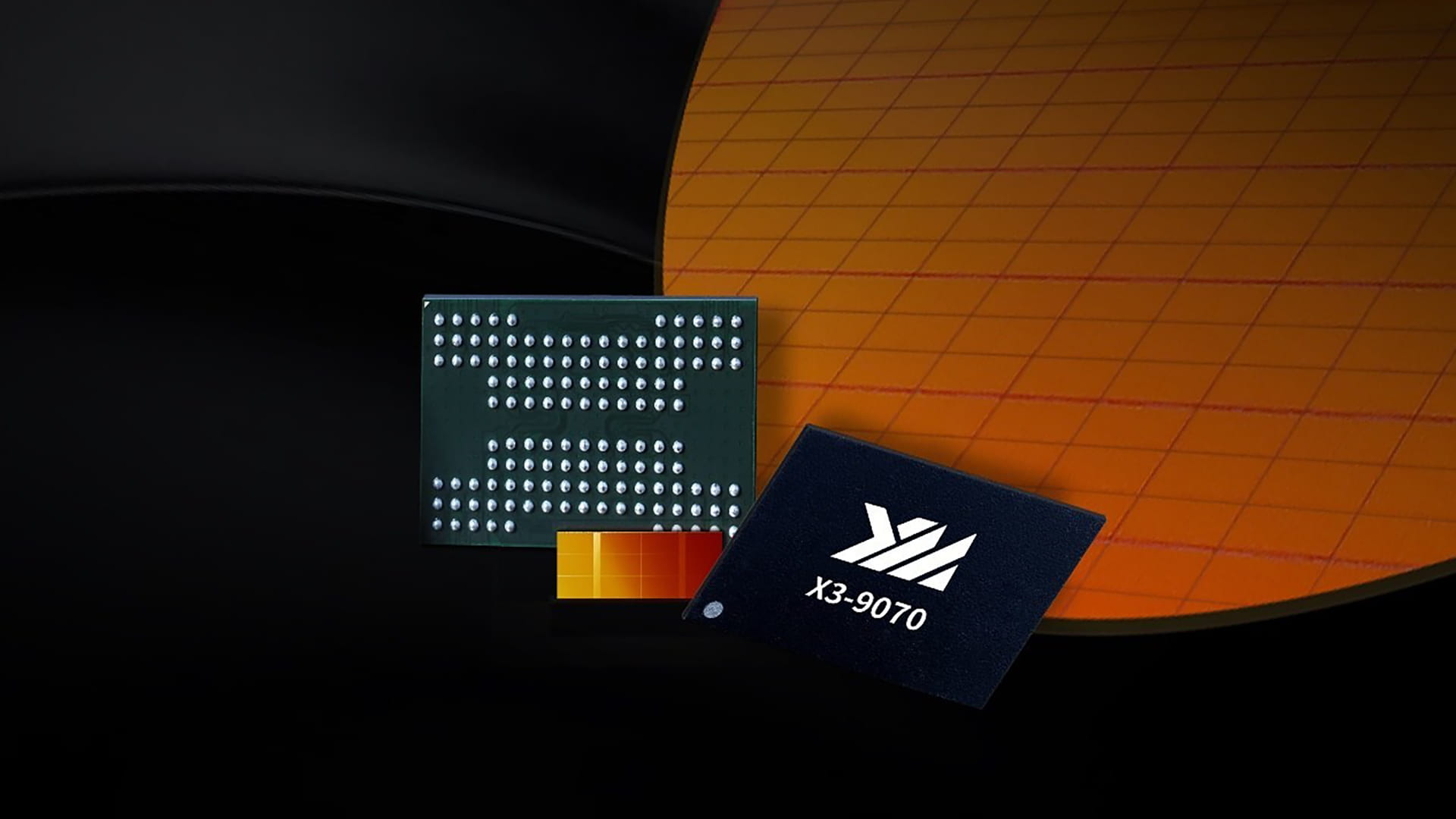
YMTC parent seeks USD 4.9 billion Shanghai IPO on AI memory boom
YMTC's IPO bid highlights the surging investment in AI memory, a key component for China's supernodes.
Why is Xiaomi doubling down on in-house chips amid a profit slump?
Xiaomi's push for in-house chips reflects China's broader strategy for tech self-reliance, mirroring the supernode trend.

新加坡推出逾200個人工智能課程,精選高級工具免費使用
華為發佈最新技術,提升AI能力,力求打破中國對Nvidia的依賴
寧德時代收緊供應商審查,推動電動車電池碳中和