Can Tencent give the memory boom a new lease on life?
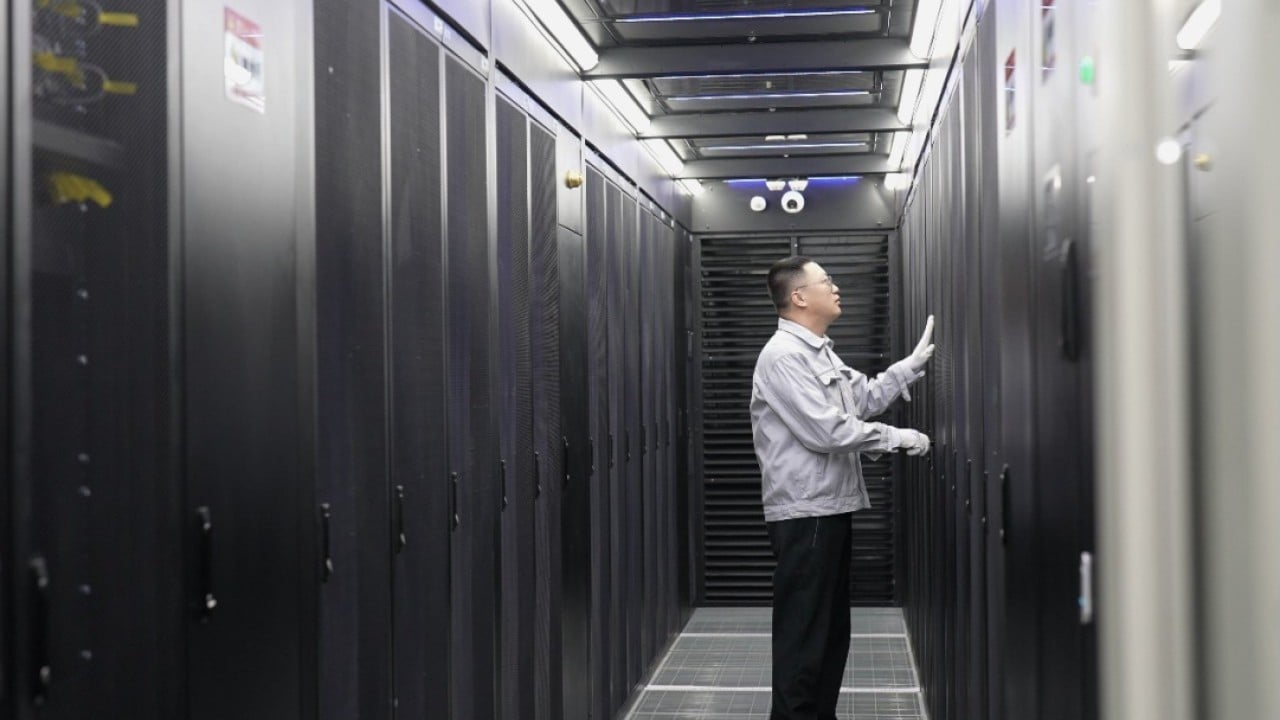
Tencent reported its Q2 2026 financial results, revealing an 11% year-on-year revenue increase to RMB 204.8 billion (USD 30.3 billion), with operating profit up 12%. However, the company’s shares fell sharply after the announcement, reflecting investor concerns over a significant surge in AI-related capital expenditure. R&D expenses rose 35% to RMB 27.3 billion, and capital expenditure soared 176% to RMB 52.8 billion, leading to negative free cash flow for the quarter. This substantial investment is primarily directed towards strengthening AI infrastructure, including computing capacity, high-specification memory, and storage hardware, to support the development of larger AI models and enhance existing products, despite the immediate impact on profitability.
Tencent’s aggressive pivot towards AI, evidenced by its massive capital expenditure increase in Q2 2026, signals a critical strategic shift for one of Asia’s tech giants. While core businesses like gaming and advertising continue to generate substantial cash, their growth rates have matured. Tencent is now leveraging these stable revenue streams to fund a new growth engine in AI, aiming to develop advanced models and integrate AI capabilities across its ecosystem. This move is particularly significant given the current tight supply and elevated prices in the memory industry, indicating that securing essential AI infrastructure is a top priority for Tencent, even at the expense of short-term profit and free cash flow.
This investment strategy has broader implications for Asia’s tech landscape. Tencent’s substantial demand for high-specification memory and computing chips will further tighten the supply-demand balance, potentially extending the current memory upcycle and benefiting major manufacturers like Samsung, SK Hynix, and Micron. Moreover, Tencent’s pragmatic approach to investment, emphasizing returns even amidst heavy spending, suggests that these hardware investments are expected to yield concrete value through AI use cases. This could accelerate AI adoption and innovation across various sectors in Asia, as other companies may follow suit in prioritizing AI infrastructure to remain competitive.
分享這篇文章
相關文章
6 則
Divergent results for Apple suppliers highlight memory price squeeze ahead of new iPhone
Our earlier report highlighted the memory price squeeze affecting Apple suppliers, a challenge Tencent now faces.

Mastercard 將亞太區餐飲計劃擴展至 1,300 間餐廳
中國芯動力 Iluvatar CoreX 首個AI運算超級節點:單系統集成最多GPU

FIS 推出代理式 AI 工具,助財務總監更早發現現金流風險
內地交易員連續第四個月增持香港股票,受惠於人工智能熱潮