
Anthropic says it will watermark text generated by its AI models
Anthropic, a prominent AI research company, has announced its intention to implement watermarking technology for text generated by its artificial intelligence models. This initiative aims to enhance transparency and traceability for AI-produced content, addressing growing concerns about the authenticity and origin of digital information. The company plans to extend this watermarking support to older models as well, ensuring a broader application of this feature across its product line. This move signifies a proactive step by Anthropic to establish industry standards for responsible AI development and deployment. The watermarking system is expected to help users and platforms identify content created by Anthropic’s AI, potentially mitigating issues like misinformation and deepfakes.
Anthropic’s decision to watermark AI-generated text carries significant implications for Asia’s rapidly evolving tech ecosystem. As AI adoption accelerates across sectors in countries like India, Singapore, and South Korea, the challenge of distinguishing human-created content from AI-generated content becomes increasingly critical. This move by a major AI developer sets a precedent that could influence regulatory frameworks and industry best practices across the region. Asian governments and tech companies, many of whom are heavily investing in AI, will likely watch closely to see how effective these watermarks are in practice and whether similar standards should be adopted locally or regionally. The push for transparency could also impact the development of local AI models, encouraging them to incorporate similar features.
Furthermore, the initiative could shape market dynamics, particularly in content creation, media, and cybersecurity. Companies relying on AI for generating articles, marketing copy, or customer service responses will need to consider the implications of watermarked content. For platforms battling misinformation, especially in diverse linguistic and cultural contexts across Asia, watermarking could offer a valuable tool. It also underscores a global trend towards responsible AI, where ethical considerations and accountability are becoming as important as technological advancement. This could spur greater collaboration between Asian tech firms and global leaders on developing common standards for AI provenance.
相關文章
6 則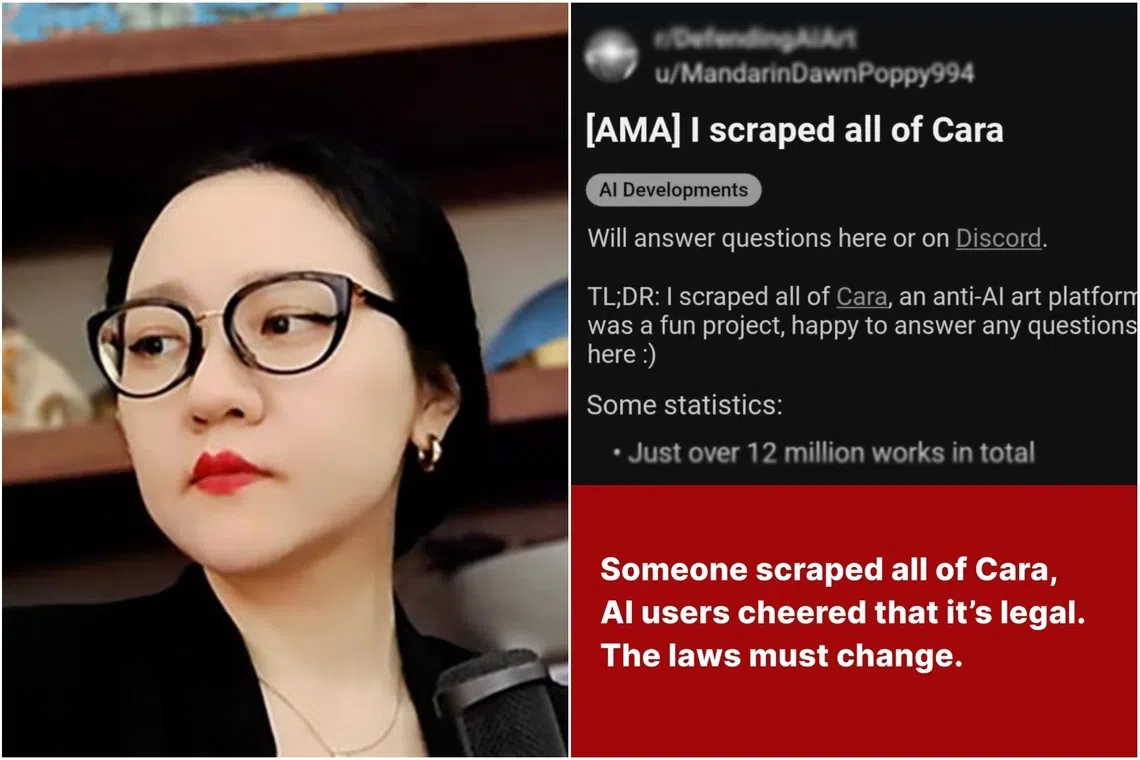
Singaporean photographer Zhang Jingna fights to keep art safe from AI scrapers
The fight to protect human-created content from AI scraping is a related challenge for creators across Asia.
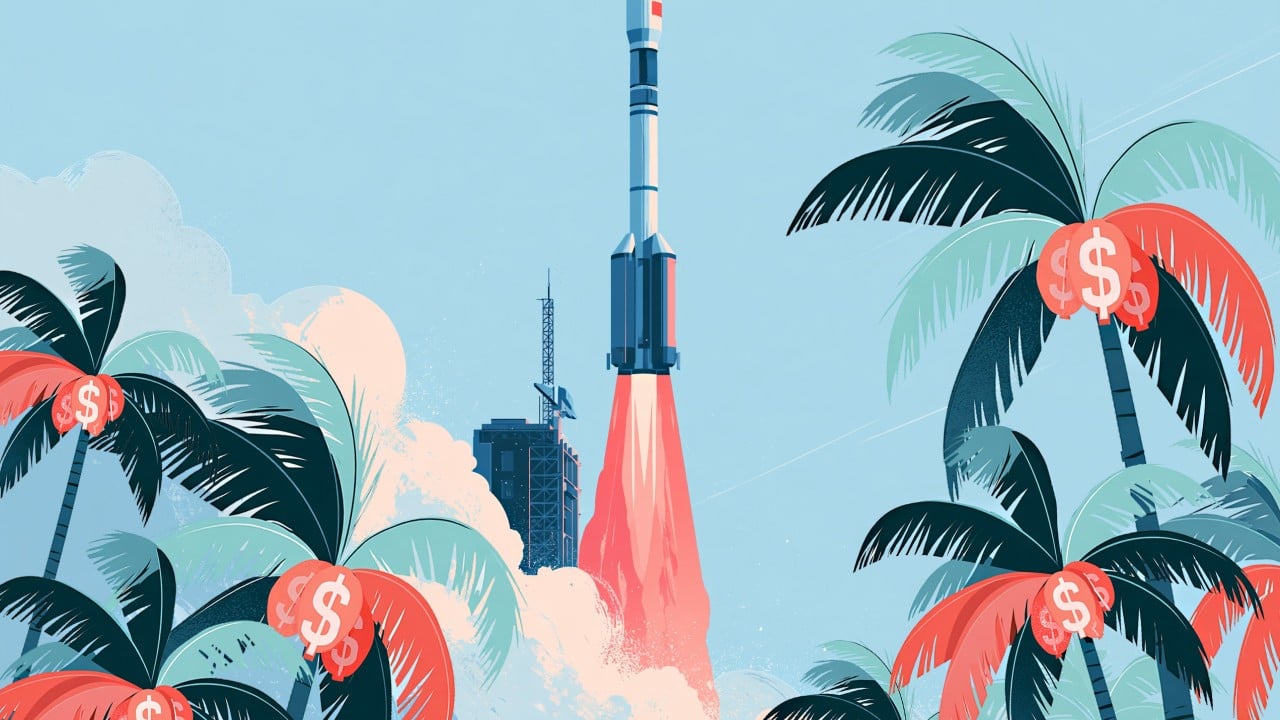
中國火箭熱潮將海南變成太空樞紐。發射能否推動更廣泛的增長?

Anthropic 將 Claude 聊天和 Cowork 合併到單一介面

Threads 新功能讓播客推廣節目並接觸聽眾

中國 Z.ai 獲注資 50 億美元後,收入目標上調 25%
