Xiaomi Unveils 3nm 'O3' Chip to Challenge Huawei in Foldables
Xiaomi has introduced its new in-house mobile system-on-chip, the Xring O3, which TSMC will manufacture using a 3-nanometer process. This chip follows the O1, released just a year prior, and is slated for use in a flagship foldable phone. The company aims to ship 200,000 to 300,000 units of this new foldable device. Xiaomi's investment in proprietary chips has exceeded 20 billion yuan (approximately $3 billion) to date, with its semiconductor design team growing to over 3,000 people. This initiative is part of a broader strategy to reduce dependence on external suppliers like Qualcomm and MediaTek and to enhance product differentiation in the competitive premium smartphone market.
Xiaomi's new Xring O3 chip, produced by TSMC, is less about challenging Huawei in foldables and more about Xiaomi's long-term play for supply chain control and product differentiation. The company has invested over $3 billion in its Xring chip development, growing its design team to 3,000. This reflects a broader trend among Asian device makers, including Samsung and Apple, to develop in-house silicon to manage costs and specifications. Xiaomi's O1 chip, for instance, has already shipped over 1 million units in various devices since its launch. The real story here is Xiaomi's commitment to reducing reliance on external chip suppliers. By developing its own 3nm Xring O3 for foldables, and also planning a 6nm NPU for its MiMo LLM and a 3nm chip for autonomous driving, Xiaomi is building a diversified chip portfolio. This strategy aims to strengthen its bargaining power with component suppliers and secure its position in the premium segment, especially as component costs rise. While the foldable market is a key battleground, with Huawei holding a 68% share in China's Q2 foldable shipments, Xiaomi's chip strategy extends beyond just one product category. The company's annual new product releases under its chip development plan underscore a sustained effort to gain greater control over its technological future across multiple product lines.
相关文章
6 则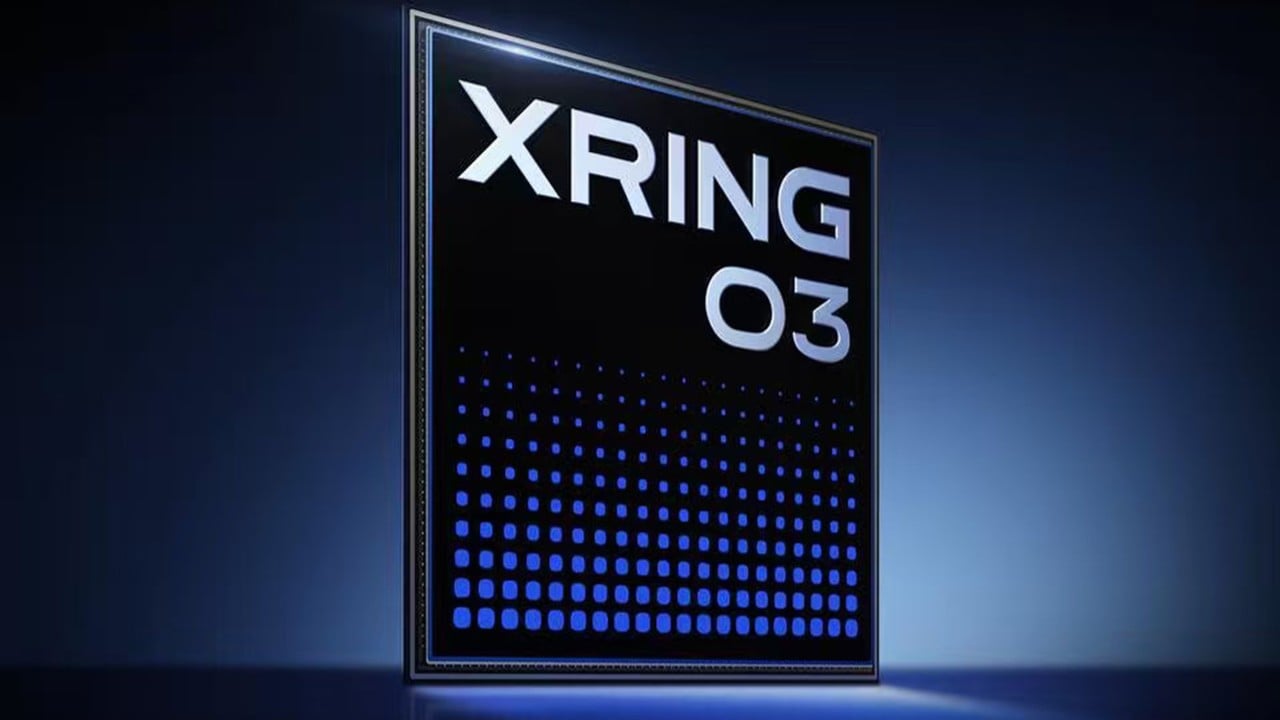
Why is Xiaomi doubling down on in-house chips amid a profit slump?
We previously explored Xiaomi's strategic shift towards in-house chip development and its implications.
华为发布最新技术,提升AI能力,力求打破中国对Nvidia的依赖

中国火箭热潮将海南变成太空枢纽。发射能否推动更广泛的增长?

Anthropic 将 Claude 聊天和 Cowork 合并到单一界面

Threads 新功能让播客推广节目并触达听众