Why is Xiaomi doubling down on in-house chips amid a profit slump?
Xiaomi is intensifying its focus on in-house chip development despite a profit slump and rising component costs. The Chinese tech giant unveiled its flagship Xring O3 3-nanometre AI processor for smartphones, set to debut in September with the Xiaomi 18 Fold. Additionally, Xiaomi introduced the Xring O100, a 6nm AI accelerator for its MiMo large language model, and a 3nm Xring D100 chip for autonomous driving. Both the O100 and D100 are slated for commercial deployment next year, reflecting Xiaomi's long-term strategy to support complex AI workloads in its devices and vehicles.
Xiaomi’s push into proprietary silicon, including the Xring O3 3nm AI processor for smartphones and the Xring D100 3nm chip for autonomous driving, points to a clear long-term strategy. This is not merely about device performance; it is about establishing foundational AI capabilities directly on hardware, a critical move as AI workloads grow more complex. Counterpoint Research analyst Ivan Lam notes this places Xiaomi in the top tier of China’s self-developed mobile systems-on-a-chip (SoC) providers. The company is investing heavily even as the global smartphone industry faces rising memory and component costs, squeezing profit margins. This suggests a strategic commitment to control its AI future, rather than relying on external chip suppliers. The real story for China’s tech sector is Xiaomi’s willingness to absorb short-term financial pressure for long-term strategic advantage in AI. By developing chips like the Xring O100 to boost its MiMo large language model, Xiaomi is building an integrated AI ecosystem from silicon to software. The risk lies in the significant capital expenditure required for semiconductor development, which yields no immediate financial returns. However, this investment could give Xiaomi a competitive edge in AI-driven features for both smartphones and electric vehicles in the coming years, particularly within the Chinese market.
相关文章
6 则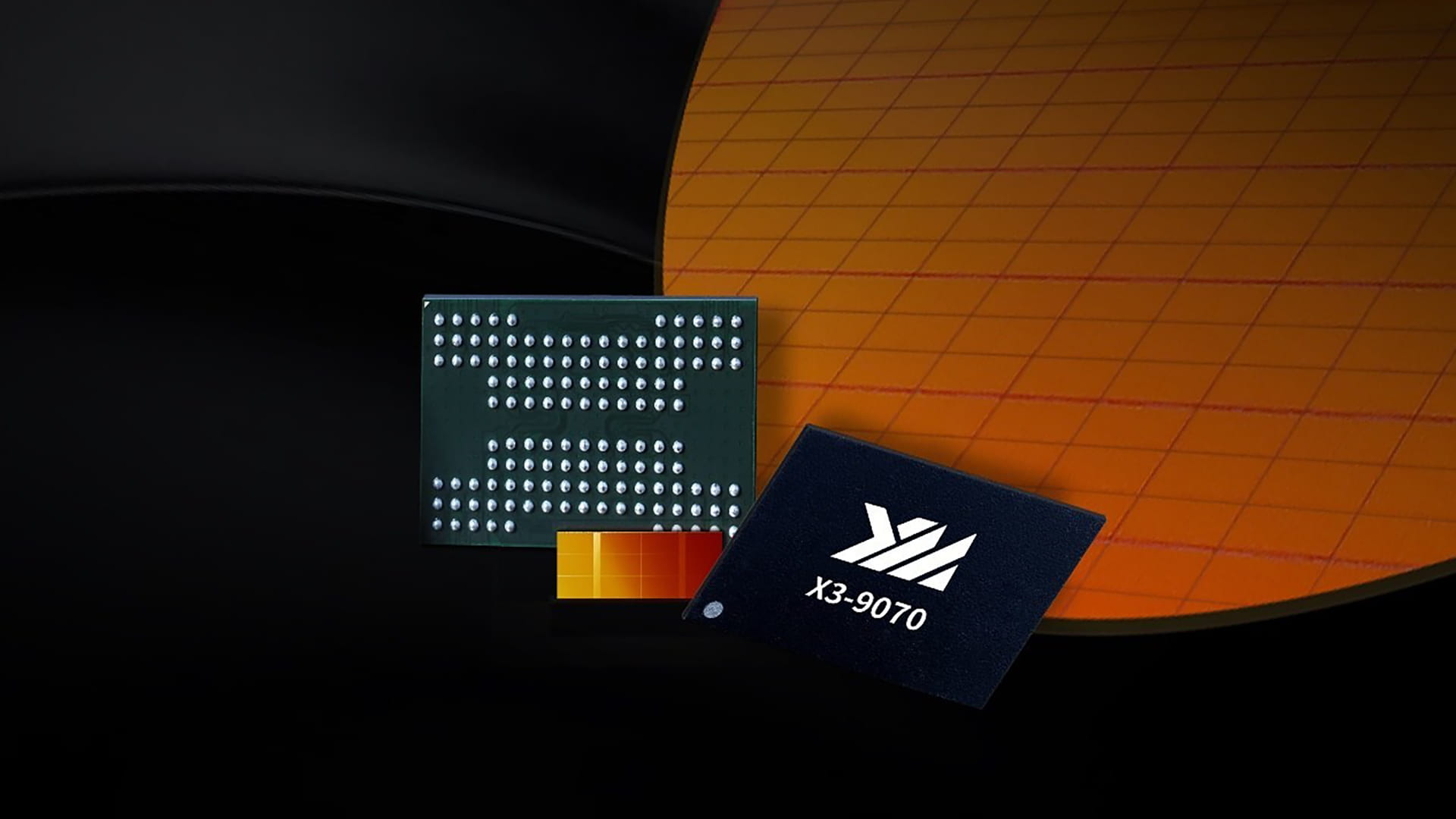
YMTC parent seeks USD 4.9 billion Shanghai IPO on AI memory boom
The push for in-house chips is part of a broader trend in China, as seen with YMTC's parent seeking an IPO on the AI memory boom.
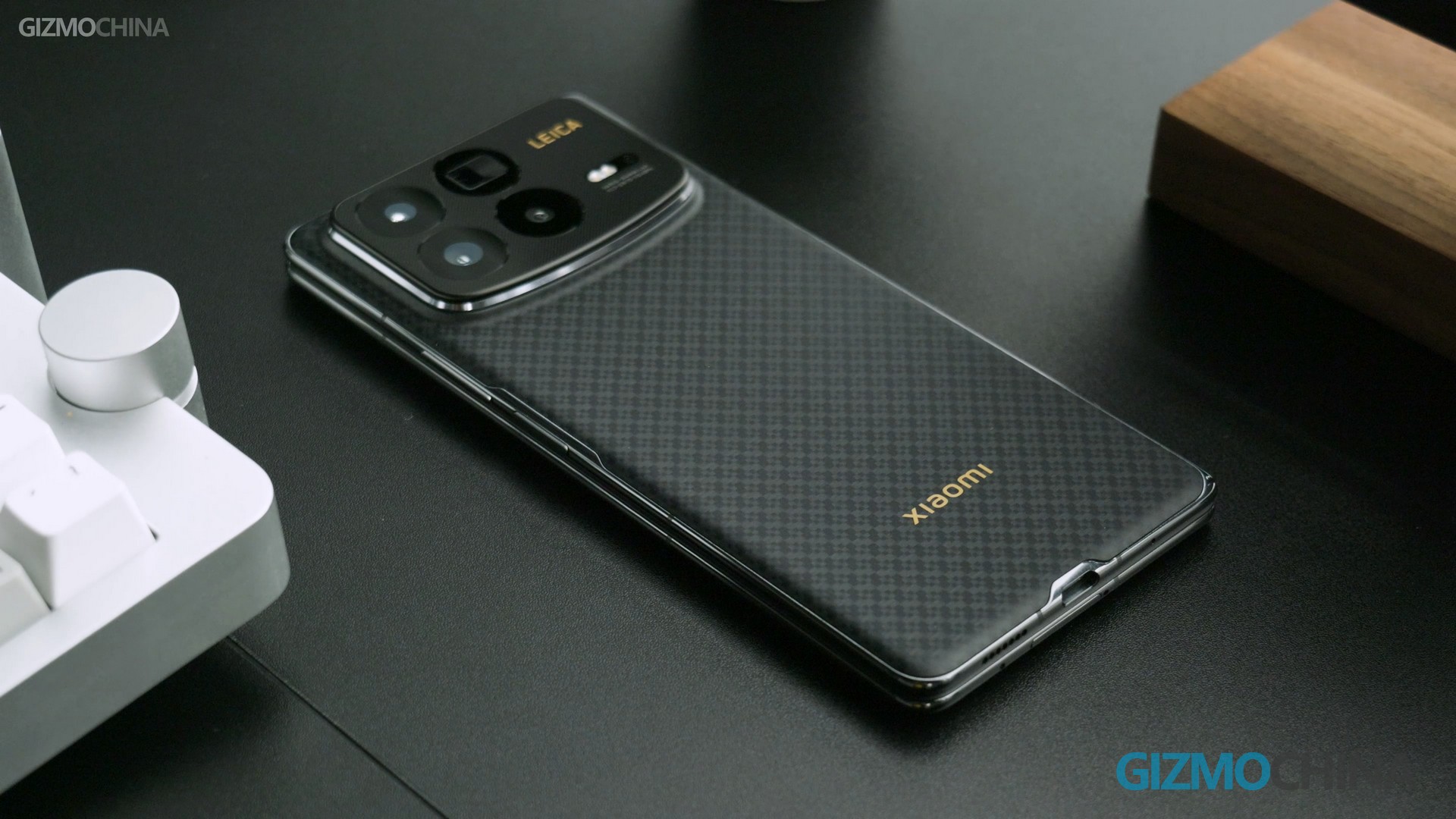
Xiaomi CEO Confirms Separate Launches for Xiaomi 18 Fold and 18 Pro
Xiaomi's strategic moves in chip development underpin its product launches, including upcoming smartphone models.
《人民日报》驳斥美国恶意AI蒸馏指控,警告将采取反制措施

Databricks 将在新加坡投资逾 3.5 亿美元,员工人数翻倍
字节跳动的AI短剧应用超越中国Netflix竞争对手总和