Supersized and scaling: China pushes 10,000-card computing clusters in AI race
In China, computing facilities have emerged as a new form of infrastructure over the past two years, sparking an arms race among cities and technology companies to build 10,000-card computing clusters.
China's aggressive push into 10,000-card computing clusters marks a significant escalation in the global AI race, particularly within the Asian tech ecosystem. By treating these massive computing facilities as essential infrastructure, China is not only accelerating its domestic AI development but also fostering intense competition among its cities and tech giants like Huawei and Alibaba. This strategy aims to reduce AI model training times dramatically, enabling faster innovation and iteration of AI capabilities, which is crucial for maintaining a competitive edge in advanced technologies.
This development has profound implications for market dynamics across Asia. It signals a deepening commitment to AI self-sufficiency and technological leadership, potentially creating a robust domestic supply chain for AI hardware and software. The scale of investment and deployment could also set new benchmarks for AI infrastructure globally, influencing how other Asian nations approach their own AI strategies. Furthermore, the emphasis on large-scale, integrated computing power suggests a strategic move to support the development of foundational AI models and applications that require immense computational resources, thereby shaping the future landscape of AI innovation in the region.
相关文章
6 则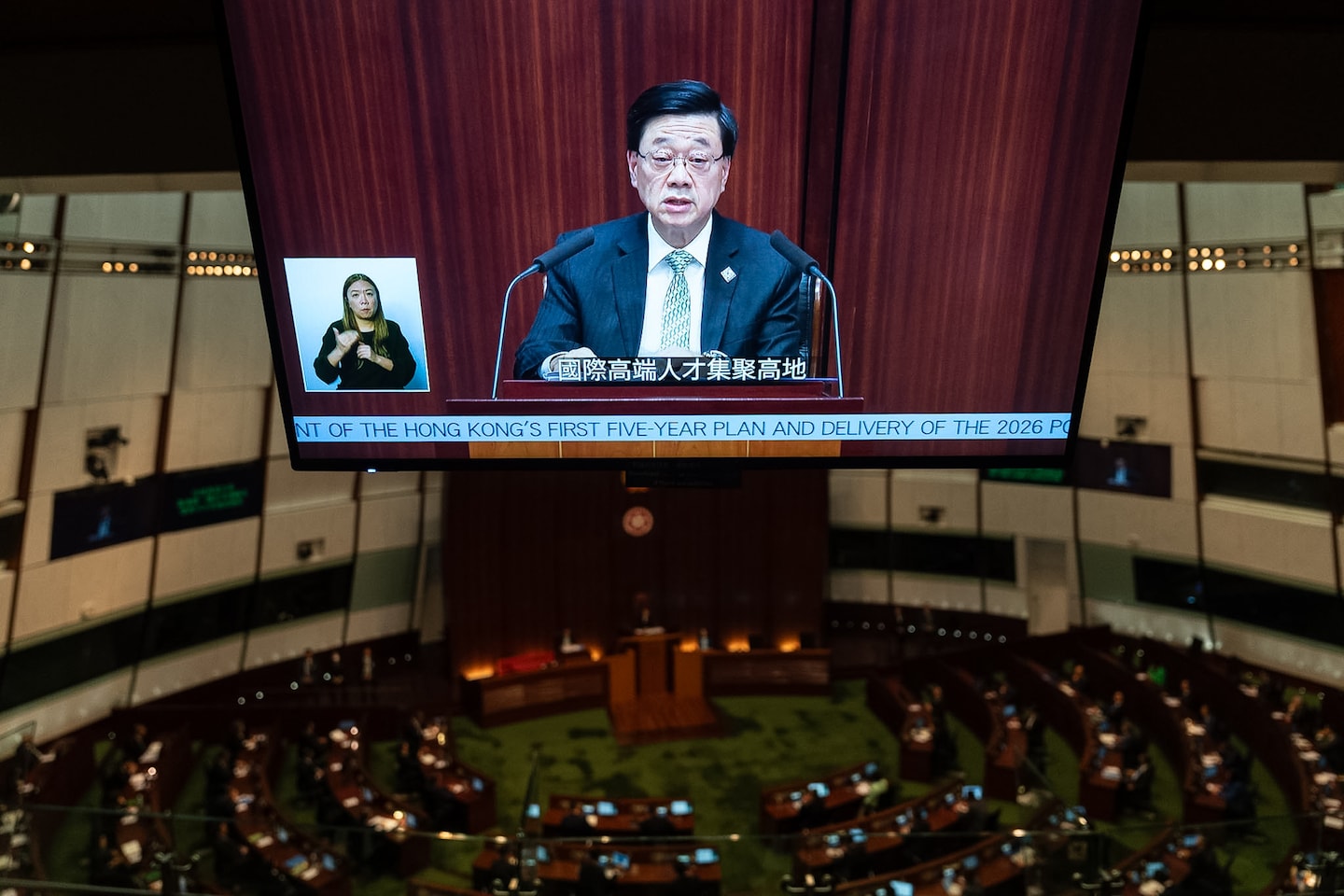
香港首个五年计划押注AI技能:从幼儿园到劳动力
华为发布最新技术,提升AI能力,力求打破中国对Nvidia的依赖

中国火箭热潮将海南变成太空枢纽。发射能否推动更广泛的增长?

Anthropic 将 Claude 聊天和 Cowork 合并到单一界面
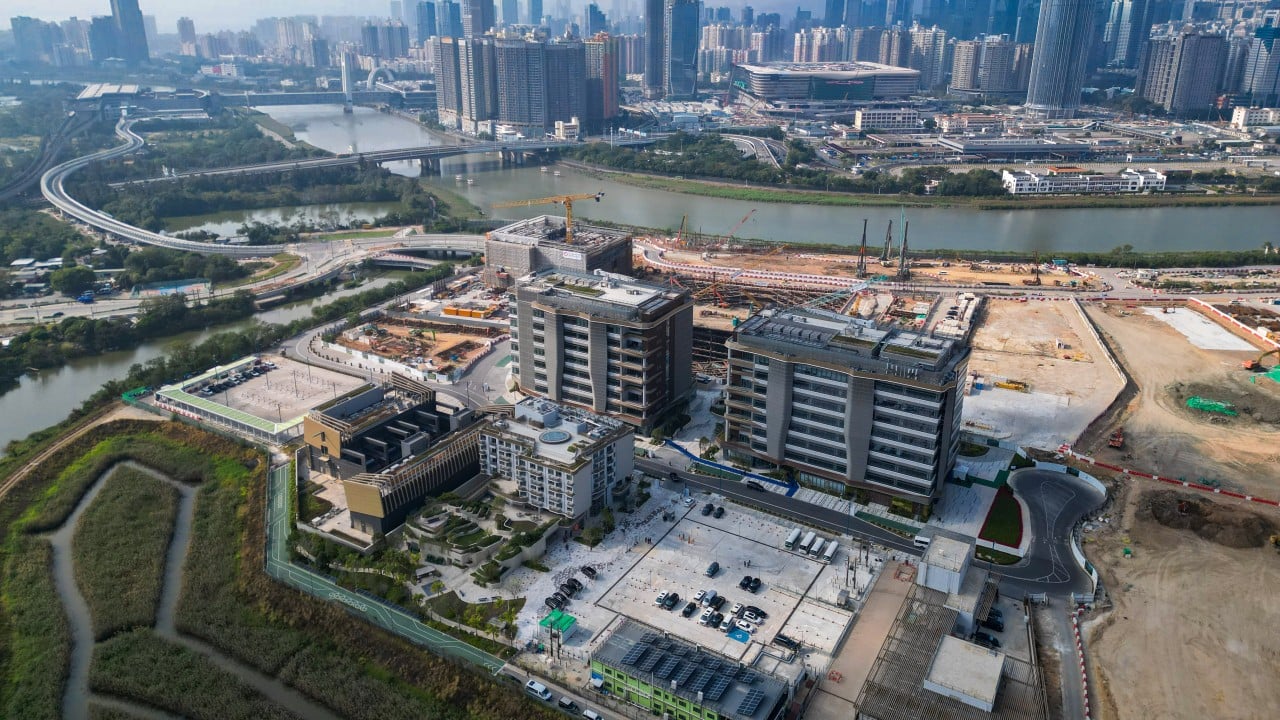
Hong Kong aims to raise innovation spending to 3% of GDP by about 2030