Philippines secures Meta pledge for quicker deepfake removals, child‐abuse data access
Meta has committed to the Philippine government to accelerate the removal of harmful AI-generated deepfakes and to provide data for cybercrime investigations. This agreement follows a meeting in Singapore between a Philippine delegation, led by Department of Information and Communications Technology (DICT) Secretary Henry Aguda, and Meta executives. The commitment includes a mechanism for individuals to enroll for protection against deepfakes and Meta's pledge to quickly provide user credentials and relevant data upon subpoena for cases involving online sexual abuse and exploitation of children (OSAEC) and other online abuses. The Cybercrime Investigation and Coordinating Centre (CICC) Executive Director Undersecretary Renato Paraiso stated that this cooperation allows for integrating online safety measures ahead of new legislation. Meta's team is expected to visit Manila by mid-September to finalize implementation details.
The Philippines has secured a commitment from Meta to enhance online safety measures, specifically targeting the removal of AI-generated deepfakes and improving data access for cybercrime investigations. This move by Meta, ahead of proposed expanded online safety legislation in the Philippines, reflects a proactive approach to regulatory pressure. The agreement allows for a stronger mechanism to address deepfakes, with Meta working with DICT, CICC, and the National Bureau of Investigation (NBI) on identification and immediate removal protocols. This is a significant step for the Philippines, as it provides a pre-emptive layer of protection for citizens, particularly children and vulnerable internet users, against online abuse. The commitment also includes Meta's agreement to readily provide user data upon subpoena for serious offenses like online sexual abuse and exploitation of children (OSAEC). This cooperation is crucial for law enforcement agencies in the Philippines, enabling more effective investigations into cybercrime. The government had previously considered banning Meta if stricter safeguards were not implemented, highlighting the seriousness of the issue and the impact of this new agreement on Meta's operations in the country. For Asia's tech sector, this development points to increasing pressure on major platforms to collaborate with national governments on content moderation and data sharing, especially concerning AI-generated content and child safety. The Philippine government's willingness to consider a ban and Meta's subsequent commitment could set a precedent for other Asian nations grappling with similar online safety challenges, emphasizing the need for platforms to adapt to local regulatory environments proactively.
相关文章
6 则
Devanathan quits Meta, joins OpenAI to lead Southeast Asia, Australia operations
A key Meta executive recently moved to OpenAI, highlighting the talent shifts in the AI landscape.
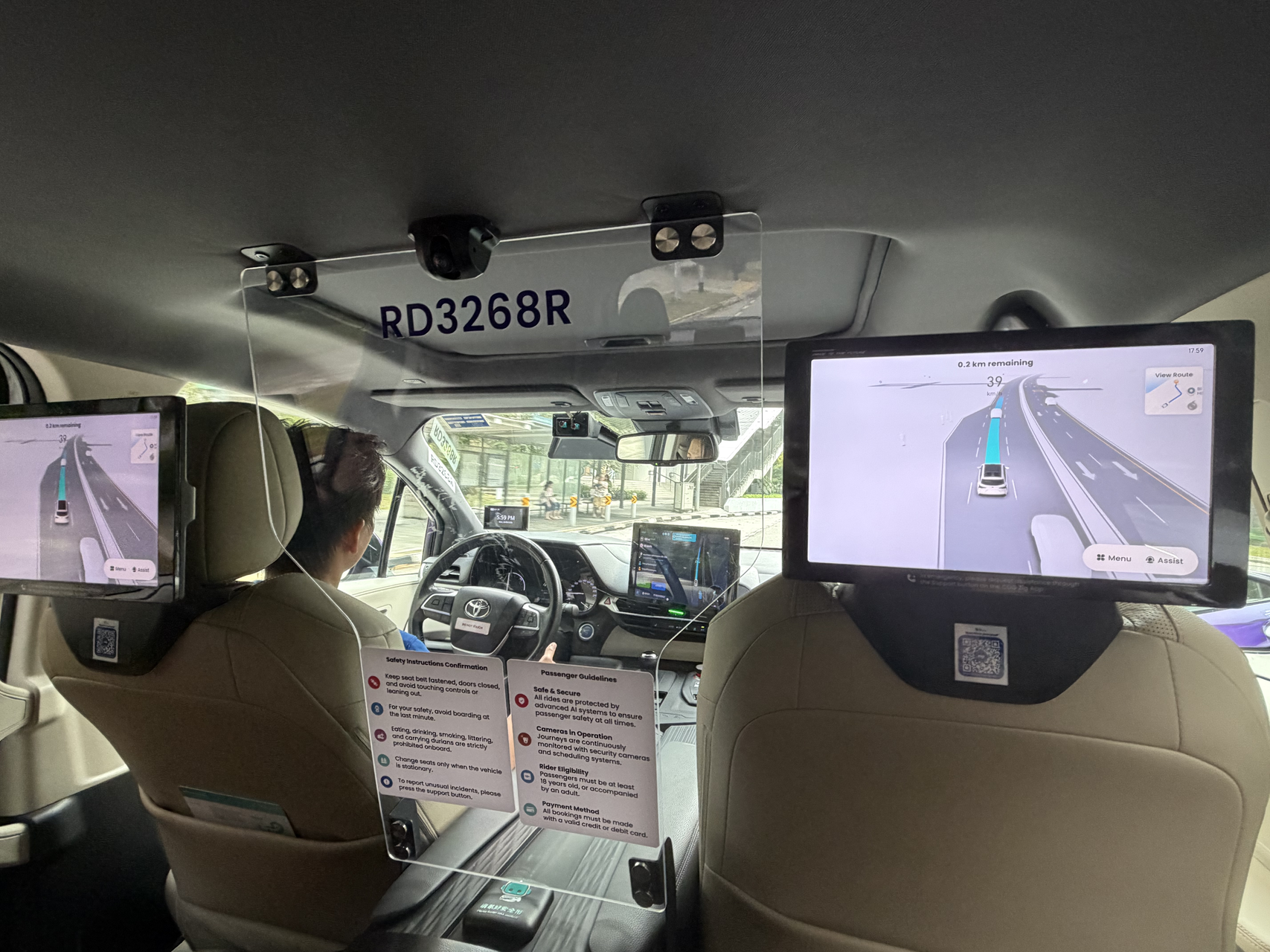
如果无人驾驶汽车已经可行,为何它们尚未普及?

《人民日报》驳斥美国恶意AI蒸馏指控,警告将采取反制措施

Databricks 将在新加坡投资逾 3.5 亿美元,员工人数翻倍

随着深度伪造风险增长,Sumsub 推出员工验证方案