
Marcos sounds alarm over socmed’s impact on children
Philippine President Ferdinand Marcos Jr. has voiced significant apprehension regarding the escalating influence of social media and online platforms on children. He highlighted concerns that young people are increasingly exposed to harmful content and distorted realities, particularly at a developmental stage where their critical judgment is still forming. Speaking at the Foreign Correspondents Association of the Philippines (FOCAP) Presidential Luncheon, Marcos Jr. underscored the need to address these challenges. His remarks signal a growing governmental focus on the societal impact of digital platforms on youth in the Philippines. This concern reflects a broader regional and global debate about online safety and content moderation for minors.
President Marcos Jr.'s alarm over social media's impact on children in the Philippines carries significant implications for Asia's tech ecosystem, particularly for platforms operating in the region. As governments across Southeast Asia increasingly scrutinize content moderation and online safety, this stance from a key regional leader could signal a push for stricter regulations or greater accountability from tech companies. This could manifest in new legislative frameworks, increased pressure on platforms to invest in AI-driven content filtering, or even local content moderation teams, impacting operational costs and compliance strategies for global and regional tech giants. The focus on "harmful content" and "distorted realities" also suggests a potential for government-led initiatives to promote digital literacy and critical thinking among youth, possibly opening opportunities for edtech startups or public-private partnerships in this space.
Furthermore, this development highlights the ongoing tension between technological innovation and societal well-being in rapidly digitizing Asian economies. While social media platforms offer connectivity and economic opportunities, the accompanying challenges related to mental health, misinformation, and child safety are becoming undeniable. Tech companies, especially those with significant user bases among minors, will need to proactively engage with these concerns, not just as a compliance issue but as a core aspect of their social license to operate. This could drive innovation in areas like age verification, parental controls, and responsible AI development for content curation, influencing product roadmaps and investment priorities within the Asian tech landscape.
相关文章
6 则
DOST allots P300M for expansion of its AI data centers
The Philippines is investing heavily in AI infrastructure, a key component for content moderation and online safety initiatives.

ViewSonic 在印度推出全新 LED 显示器、显示器和 Google 电视,扩展专业影音产品组合:所有详情

Robin Padilla承认他害怕AI及其对儿童的影响
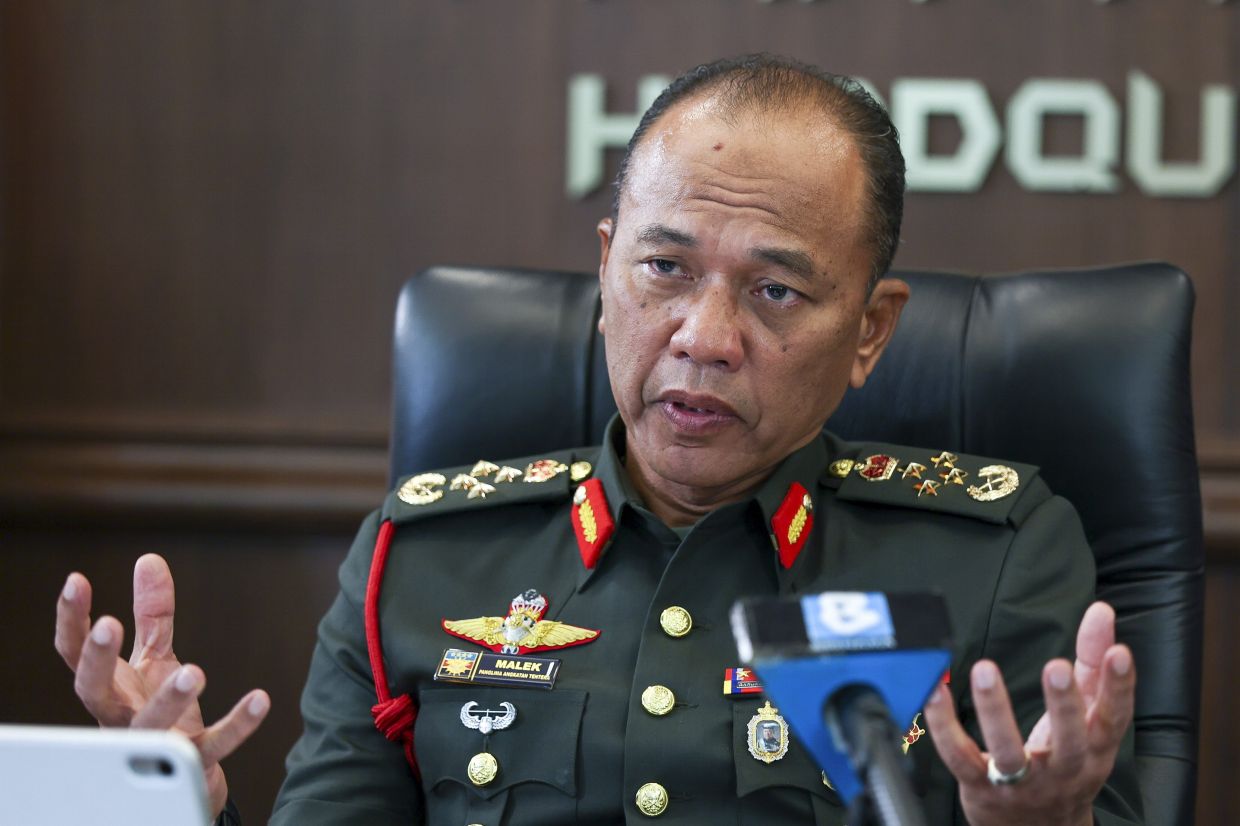
武装部队首长:网络部队将于2030年成为马来西亚第四军种

Luban 借助 PhotonPay 将全球广告支出处理速度提升 4 倍
