Huawei seeks to match best chips without best chipmaking gear
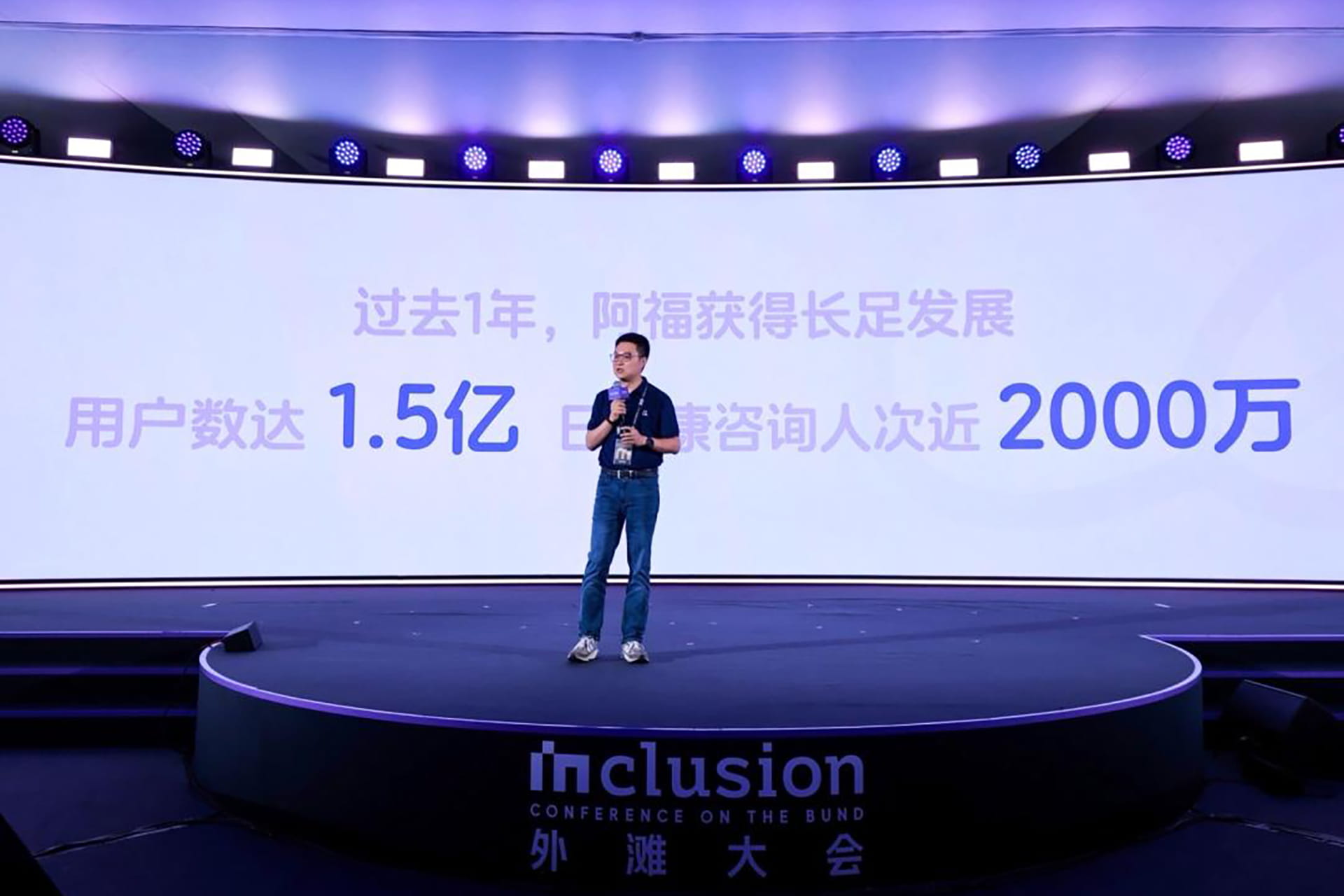
Chinese tech giant Huawei Technologies has announced a significant breakthrough in semiconductor manufacturing, claiming it can now produce chips comparable to the world’s best without relying on cutting-edge chipmaking equipment. This innovation directly addresses the challenges posed by US sanctions, which have restricted Huawei’s access to advanced fabrication tools. He Tingbo, president of Huawei’s semiconductor business, revealed at a Shanghai tech conference that the company aims to achieve 1.4-nanometer equivalent chips by 2031. This development signals a strategic pivot for Huawei, allowing it to circumvent export controls and potentially regain its competitive edge in the high-end chip market.
This announcement from Huawei is a pivotal moment for Asia’s tech ecosystem, particularly in the context of ongoing geopolitical tensions and supply chain vulnerabilities. If Huawei successfully delivers on its promise to produce high-end chips without relying on Western-dominated lithography technology, it could fundamentally alter the global semiconductor landscape. This achievement would not only bolster China’s technological self-sufficiency but also inspire other Asian nations to invest more heavily in indigenous chip development, reducing their reliance on external suppliers and technologies. The implications extend beyond manufacturing, potentially fostering new research and development paradigms in materials science and alternative fabrication methods across the region.
For market dynamics, this move could intensify competition, especially if Huawei’s chips prove cost-effective and performant. It might also lead to a bifurcation of the global chip market, with distinct ecosystems emerging around different technological standards and supply chains. Asian semiconductor companies, particularly those in South Korea and Taiwan, will be closely watching, as Huawei’s success could either present new partnership opportunities or increased competitive pressure. The broader trend it reinforces is the accelerating push for technological sovereignty, a theme that resonates deeply across Asia as countries seek to secure their digital futures amidst a fragmented global order.