From Human Digital Twins to Indigenous 5G Radios: Technologies Emerging from India’s Cyber-Physical Systems Mission
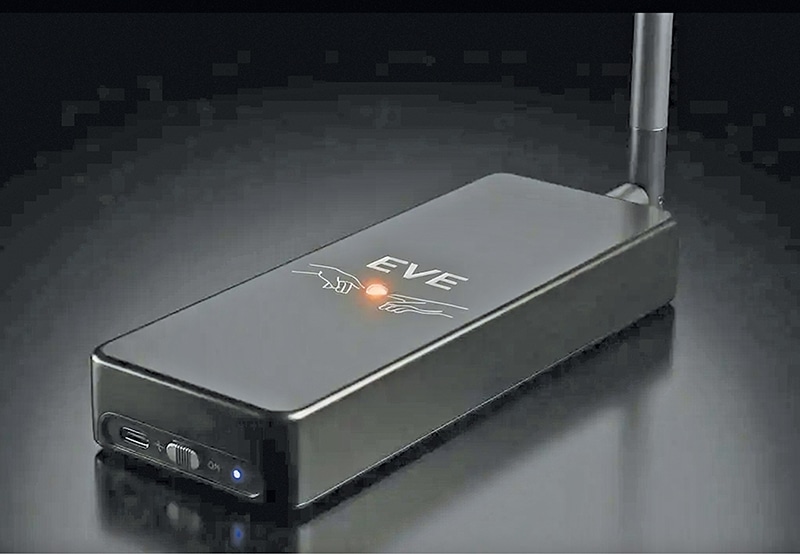
India's National Mission on Interdisciplinary Cyber-Physical Systems (NM-ICPS), a 3,660-crore program by the Department of Science and Technology, is transitioning from foundational research to deployable technologies. A government review on August 31, 2026, highlighted advancements in areas like healthcare, telecommunications, agriculture, and autonomous mobility. Key innovations include a human digital twin for organ modeling, an indigenous 5G-Advanced Open RAN Massive MIMO radio, and AI-enabled agricultural monitoring platforms. Since its inception, NM-ICPS has enabled 1,146 technologies, 1,329 products, and incubated 1,136 startups, creating over 24,000 jobs.
India’s NM-ICPS program, with its 3,660-crore investment, is demonstrating a tangible shift from academic research to practical applications in cyber-physical systems. The development of an indigenous 5G-Advanced Open RAN Massive MIMO radio, for example, directly addresses India's ambition for self-reliance in critical telecommunications infrastructure. This move could reduce dependence on foreign vendors and potentially create new export opportunities within the broader Asian market, particularly for countries seeking alternatives to established global suppliers. The program's success in incubating 1,136 startups and generating over 24,000 jobs by August 2026 points to a growing domestic innovation ecosystem. However, the long-term impact will hinge on how effectively these emerging technologies, such as the CharakDT human digital twin, can scale beyond pilot projects and integrate into national infrastructure. The challenge for India will be to ensure these innovations are not only technically sound but also commercially viable and widely adopted across diverse sectors like healthcare and agriculture. For Asia, India's progress in CPS reflects a broader regional push towards technological sovereignty and localized innovation. The focus on indigenous capabilities in AI, robotics, and advanced communications could inspire similar national initiatives, but also intensify competition in areas like 5G technology. The real test will be whether these Indian-developed systems can compete on cost and performance with established global players.
分享这篇文章
相关文章
6 则
India targets 1 lakh more semiconductor engineers under Semicon 2.0: Vaishnaw
India's push for self-reliance in cyber-physical systems builds on its ambition to train more semiconductor engineers.

Revenant:已故编程语言在我的终端中萦绕,无需互联网

“四方安全对话”外长在亚特兰大会晤,同意扩大联合演习及海上监测

Anthropic 在 Claude Opus 更新中阻止 AI 游戏克隆
Sanjay Gupta 葬礼在孟买举行,Abhishek Bachchan、Rakesh Roshan 献上最后敬意