
DICT seeks jurisdiction over online platforms for content regulation
The Department of Information and Communications Technology (DICT) in the Philippines is advocating for its anti-cybercrime division to gain jurisdiction over online platforms. This move aims to enhance the government’s ability to regulate and remove violent content, particularly in response to a recent livestreamed shooting incident in Zamboanga. DICT Cybercrime Investigation and Coordinating Center Executive Director Renato A. Paraiso highlighted the current limitations in effectively taking down harmful social media content. Granting this jurisdiction would empower the DICT to more swiftly address and mitigate the spread of dangerous material online, reinforcing national efforts to ensure digital safety and accountability. The proposal signals a growing governmental focus on content moderation and platform responsibility within the digital sphere.
This development in the Philippines reflects a broader trend across Asia where governments are increasingly seeking greater control over online content and platform operations. As digital penetration grows and social media becomes more integral to daily life, incidents like the Zamboanga shooting amplify calls for stricter regulation, particularly concerning violent or harmful content. This push by the DICT is indicative of a balancing act between ensuring public safety and upholding principles of free expression, a challenge many Asian nations are grappling with.
For tech companies, especially social media giants operating in the region, this signifies a potential increase in regulatory scrutiny and compliance demands. The assertion of jurisdiction by a government agency could lead to more direct intervention in content moderation, data requests, and potentially localized content policies. This evolving regulatory landscape will necessitate greater engagement between platforms and national authorities, impacting operational strategies and potentially influencing investment decisions in markets perceived as having higher regulatory risks.
相关文章
6 则
Korea's AI ethics principles lack binding force, specificity
Korea's similar struggle with AI ethics principles and their lack of binding force offers a regional parallel.
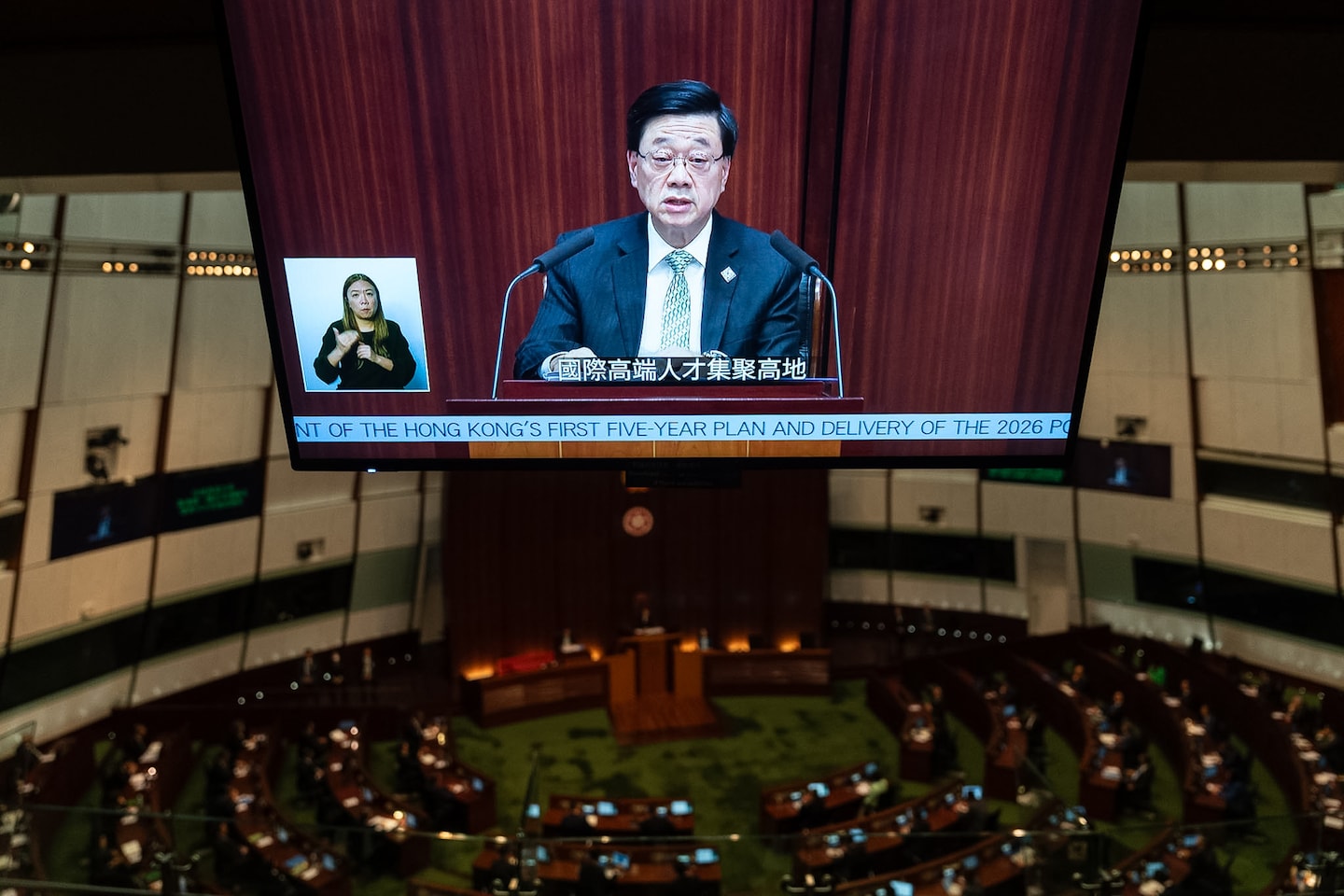
香港首个五年计划押注AI技能:从幼儿园到劳动力

SEON扩展欺诈检查功能,应对AI使伪造身份更易生成

宁德时代收紧供应商审查,推动电动汽车电池碳中和

网络威胁日益增加,Beyer 和 Obernolte 牵头两党合作规管人工智能
