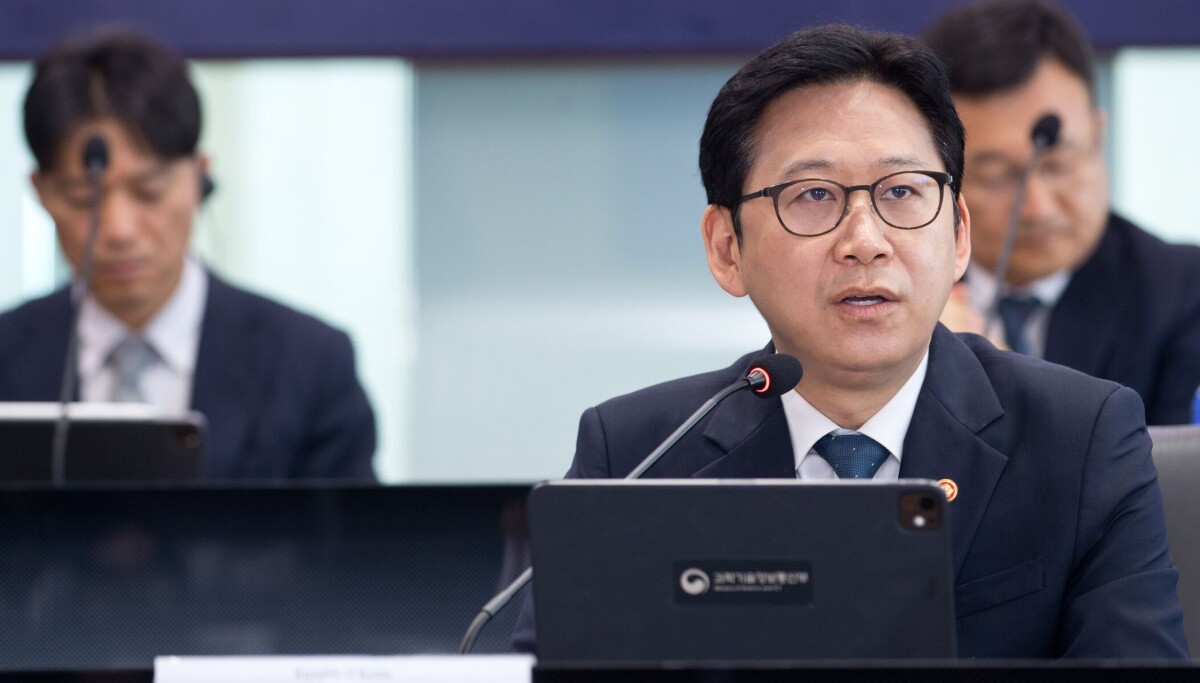
Korea's AI ethics principles lack binding force, specificity
South Korea's government has released new national AI ethics principles, outlining three core values and seven guidelines for AI use across various industries and daily life. The Ministry of Science and ICT states these principles offer a common but nonbinding reference for developers, providers, users, government agencies, and civil society. Experts, including Choi Kyoung-jin of Gachon University, view the framework as a broad declaration of values rather than enforceable rules. The government plans to develop case-based guidance and sector-specific checklists later, acknowledging that the practical impact will depend on how these principles are translated into specific practices.
South Korea's new AI ethics principles provide a foundational framework, but their nonbinding nature means their immediate impact on the nation's rapidly expanding AI sector will be limited. The framework emphasizes human dignity, the common good, and sustainability, with guidelines covering privacy, fairness, and accountability. However, without legal force or specific implementation standards, adherence will largely be voluntary for developers and users. This approach suggests an initial focus on guiding societal discourse rather than imposing strict regulatory compliance. The effectiveness of these principles will hinge on the subsequent development of sector-specific guidance and self-guided checklists, as indicated by the Ministry of Science and ICT. This phased approach allows for flexibility in a fast-evolving technological landscape but also introduces a period of uncertainty regarding practical application. Companies operating in South Korea's AI space should view this as a clear signal of the government's ethical priorities, even if direct enforcement is not yet in place. The real test will be how quickly and effectively these broad values are translated into actionable, industry-specific practices. Without sanctions for non-compliance, as noted by Choi Kyoung-jin, the principles currently serve more as a moral compass than a regulatory mandate. This puts the onus on AI developers and providers to proactively integrate ethical considerations into their systems, anticipating future, more concrete regulations.
相关文章
6 则
A rural city, once known for livestock, now provides China’s AI computing fuel
We recently covered how a rural Chinese city is becoming a key hub for AI computing fuel.

据报SK Hynix正与Intel洽谈在美国生产存储芯片

香港科技园公司承诺全力支持“五年规划”和《施政报告》 引领创科发展

新世界发展全力支持政府施政报告及五年规划 对北部都会区充满信心

德里高等法院询问中央政府是否计划制定政策监管“令人上瘾”的社交媒体功能