ChinaJoy 2026 shows how deeply AI is becoming embedded in gaming
ChinaJoy 2026 highlighted the deep integration of artificial intelligence into gaming, moving beyond theoretical discussions to practical applications across development and player experience. Tencent showcased an extensive AI games zone and AI products zone, featuring consumer-facing experiences like Codename Craft for game generation and enterprise tools such as LAP for asset production. Unity focused on AI-driven advertising optimization with Vector, which reportedly increased installs by 24% for optimized campaigns. The event reflected a broader industry shift where AI is no longer a standalone application but a core component of game creation, distribution, and operation.
ChinaJoy 2026 confirms AI's shift from a speculative topic to a core component of China's gaming industry. Tencent's dual approach, blending consumer-facing AI game experiences with enterprise development tools like Codename Craft and LAP, shows a comprehensive strategy. This reflects significant R&D investment, with Tencent spending RMB 18 billion (USD 2.7 billion) on Hunyuan and Yuanbao in 2025 alone. The company aims to build a full-stack AI ecosystem, connecting models with platforms and cloud infrastructure. Mihoyo and 37 Interactive Entertainment offer alternative strategies. Mihoyo plans a RMB 100 billion (USD 14.8 billion) investment over three years into proprietary AI R&D, including its Glossa large model, while 37 Interactive Entertainment uses investments to gain exposure across physical AI and robotics. This divergence points to varied approaches to AI integration, from ecosystem building to deep R&D and strategic investment. The real story is not just the presence of AI, but its embedding into ordinary workflows and corporate strategy. TapTap Maker's growth from 502 games in early 2025 to over 5,000 this year, with 4,000 using AI, illustrates the rapid adoption. The challenge now shifts from "can AI make games?" to "how do we distribute and regulate the massive influx of AI-generated content?" This suggests a coming focus on compliance and market saturation for China's gaming sector.
相关文章
6 则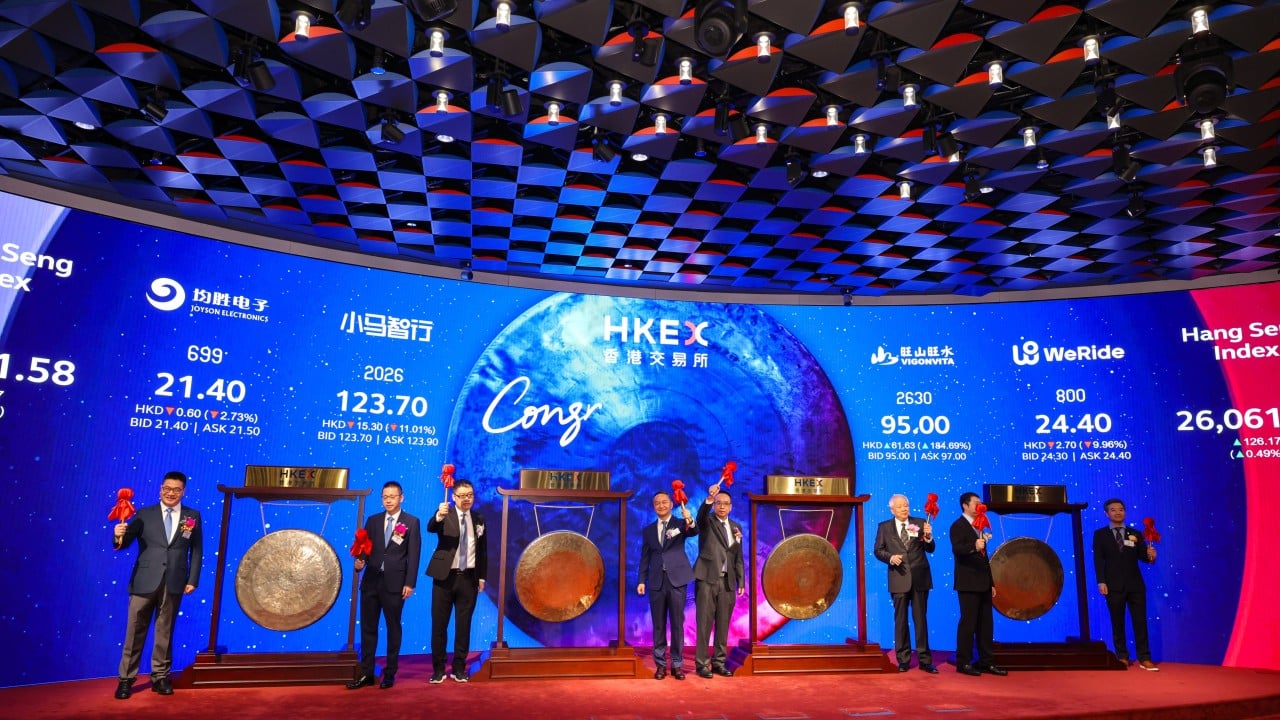
HKEX Tech 100 adds Pony AI, WeRide in index revamp targeting AI stocks
Our earlier report on HKEX's index revamp highlighted the growing investor focus on AI stocks like Pony AI.
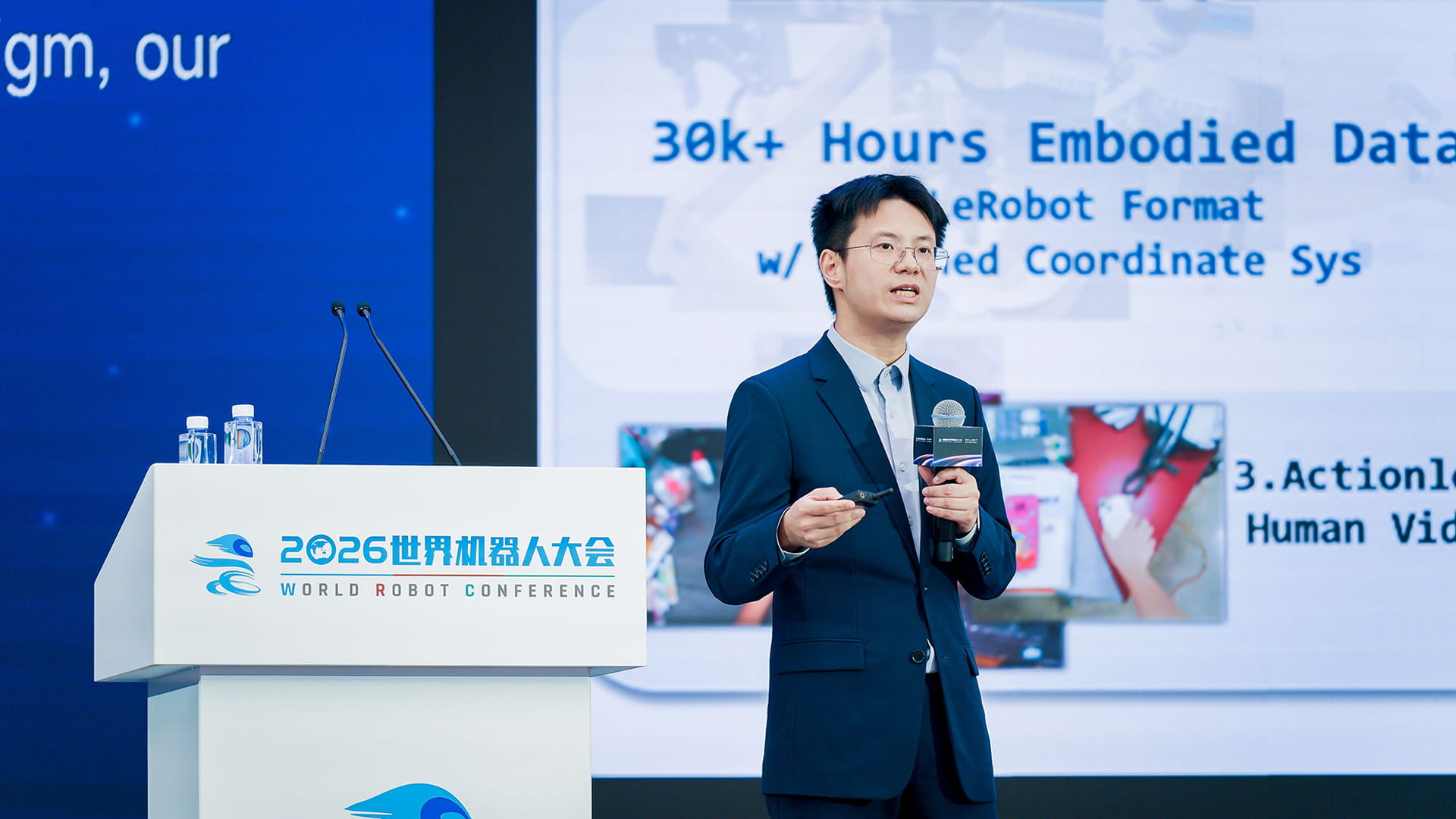
Is the frontier of humanoid robotics shifting from hardware to intelligence?
This piece explores the shift from hardware to intelligence in robotics, a key theme in AI's broader impact.

曾依赖三星和SK海力士,中国智能手机制造商转向长鑫存储

商汤科学家称多模态人工智能突破有望在两年内实现

星展银行在新加坡结算系统推出前扩展黄金存储设施