
Xiaomi teases new Xring chip and burgundy-colored Xiaomi MIX Ultra
Xiaomi is reportedly preparing to launch a new foldable smartphone, the Xiaomi MIX Ultra, which is expected to feature a wide, foldable design similar to the Samsung Galaxy Z Fold 8. This device is also anticipated to be the first to incorporate Xiaomi’s next-generation Xring O3 chip, signaling an advancement in the company's proprietary silicon development. The new foldable phone is rumored to sport a distinctive burgundy color, adding a unique aesthetic to its advanced technical specifications. This launch would mark a significant step for Xiaomi in the competitive foldable phone market, potentially showcasing its innovation in both hardware design and internal chip technology. The integration of a new proprietary chip suggests Xiaomi's ongoing commitment to vertical integration and enhancing device performance.
Xiaomi's rumored launch of the MIX Ultra, featuring its new Xring O3 chip, is a significant development for Asia's technology ecosystem, particularly in the competitive smartphone and semiconductor sectors. The introduction of a proprietary chip underscores a broader trend among major Asian tech companies to reduce reliance on external suppliers and gain greater control over hardware performance and differentiation. This move by Xiaomi mirrors similar strategies seen from Huawei and Samsung, highlighting a regional push towards vertical integration in critical component development. For the Asian market, this means increased competition in the high-end smartphone segment, especially in the burgeoning foldable phone category, where innovation in design and processing power is key to capturing market share.
Furthermore, the Xring O3 chip's debut could signal a new phase in Xiaomi's long-term strategy, moving beyond just assembly and design to become a more integrated technology provider. This shift has implications for the broader supply chain in Asia, potentially creating new opportunities or challenges for existing chip manufacturers and component suppliers. The success of this chip will not only impact Xiaomi's standing but also influence other Asian brands considering similar investments in in-house silicon, driving further innovation and competition across the region's tech landscape.
相關文章
6 則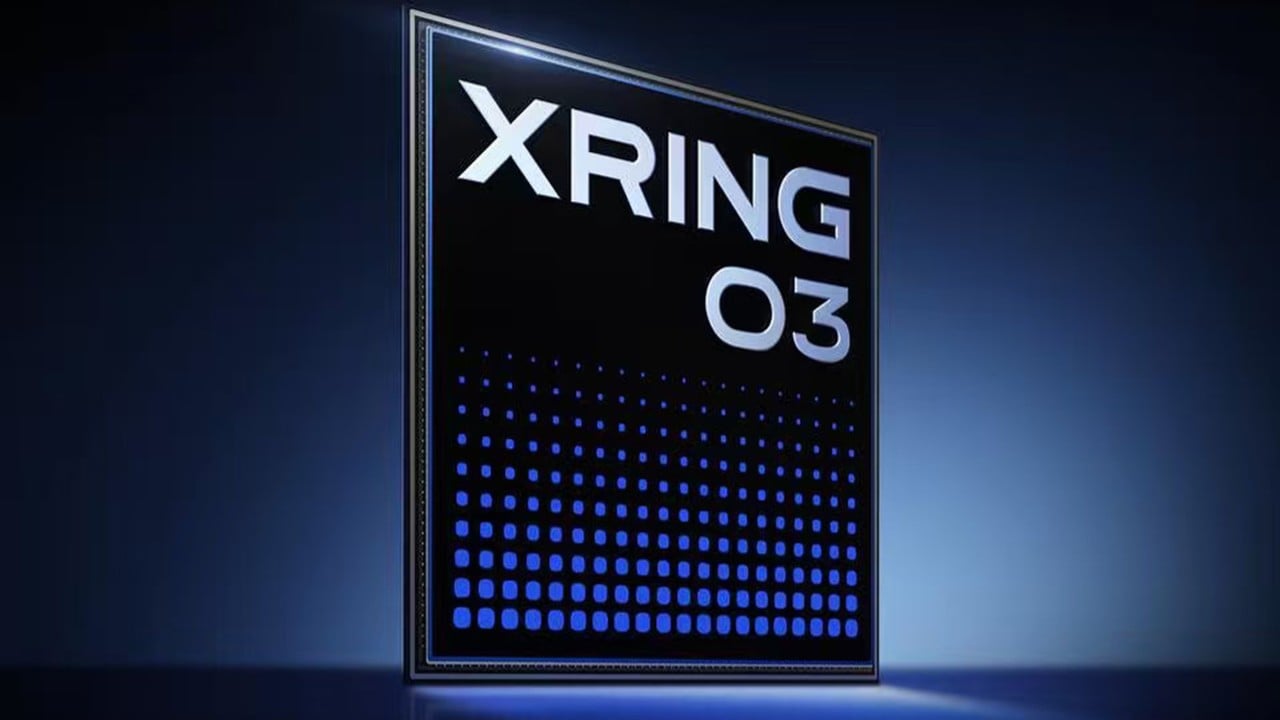
Why is Xiaomi doubling down on in-house chips amid a profit slump?
Xiaomi's new Xring chip continues its strategic push into in-house chip development, a trend we explored recently.

《人民日報》駁斥美國惡意AI蒸餾指控,警告將採取反制措施

Databricks 將在新加坡投資逾 3.5 億美元,員工人數翻倍
字節跳動的AI短劇應用程式超越中國Netflix競爭對手總和

Personetics 推出適用於客戶關係經理的 AI 銀行控制台
