
Xiaomi doubles down on in-house chips with Xring O3, O100, and D100
Xiaomi has unveiled three new in-house Xring chips: the O3 system-on-chip, the O100 AI accelerator, and the D100 AI chip for smart driving. The O3 is Xiaomi’s second flagship SoC, featuring a 3-nanometer process and 24 billion transistors, with increased emphasis on AI computing. The O100 AI accelerator uses a near-memory computing architecture with 3D wafer-on-wafer stacking to improve data transfer speeds for large AI models. The D100 is a 3-nm AI chip for intelligent driving, supporting models with over 200 billion parameters locally. These chips reflect Xiaomi’s growing investment in on-device AI capabilities across its smartphone, automotive, and robotics businesses.
Xiaomi’s launch of three new Xring chips underscores a significant shift in its in-house semiconductor strategy, moving beyond specialized functions to focus on on-device AI. The Xring O3 SoC, with its 24 billion transistors and dedicated AI acceleration units, will debut in the Xiaomi 18 Fold, showing a commitment to integrating powerful AI directly into its flagship devices. This directly challenges competitors like Apple, which also recently launched its M6 and M5 Ultra chips with enhanced on-device AI capabilities. The Xring O100 AI accelerator’s near-memory computing architecture, with 3D wafer-on-wafer stacking, addresses a critical bottleneck in large AI models: memory bandwidth. By vertically stacking compute and memory units, Xiaomi aims to reduce latency and enable faster inference speeds of up to 330 tokens per second, a key metric for real-time AI performance. This architectural approach is a direct response to the growing imbalance between computing power and data transfer speeds in modern AI chips, a problem also being tackled by Huawei and Apple. The Xring D100 AI chip for smart driving, supporting models with over 200 billion parameters locally, positions Xiaomi to compete in the rapidly evolving intelligent vehicle market. The company’s reported investment of over RMB 18 billion (USD 2.7 billion) in chip development over the past five years, with a total budget of RMB 50 billion (USD 7.4 billion), suggests a long-term commitment to controlling its hardware destiny. The thing to watch is how effectively these chips translate into market share gains against established players in both consumer electronics and automotive AI.
相關文章
6 則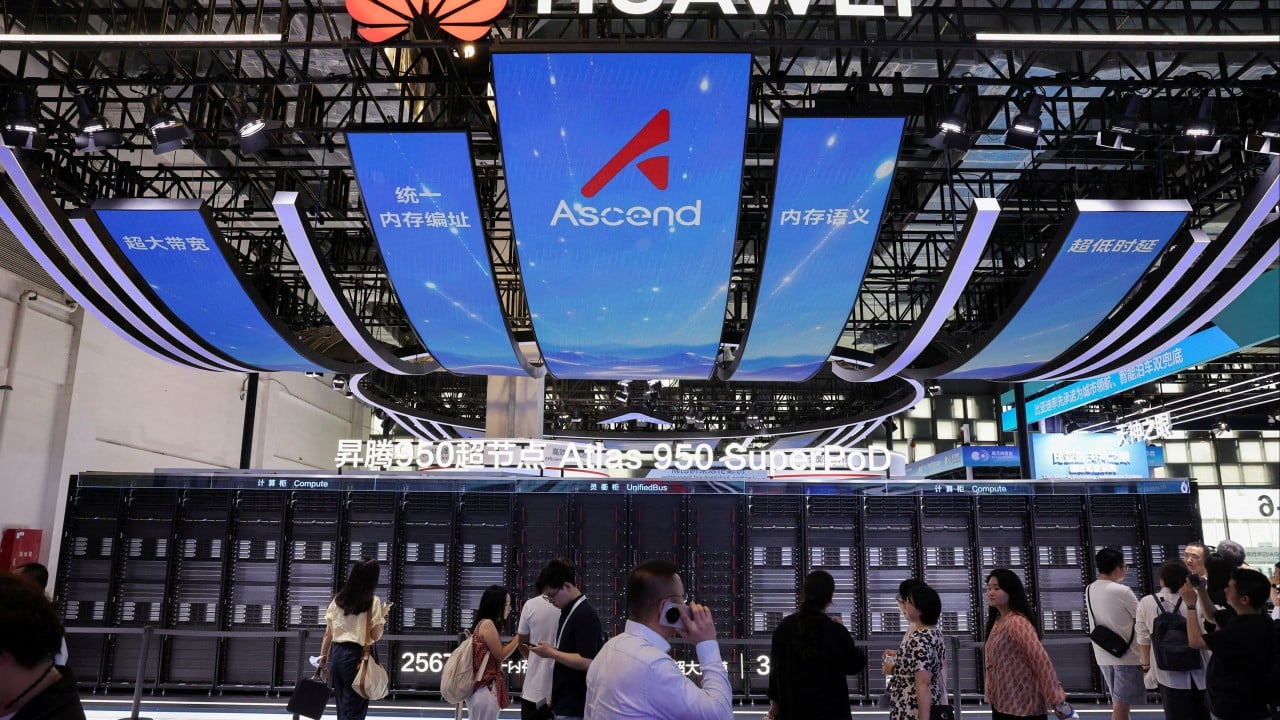
Huawei, with an eye on self-reliance, ploughs 25% of revenue into R&D at expense of profits
Huawei's similar commitment to R&D and self-reliance in chips shows the broader trend in Chinese tech.
《人民日報》駁斥美國惡意AI蒸餾指控,警告將採取反制措施

Databricks 將在新加坡投資逾 3.5 億美元,員工人數翻倍
字節跳動的AI短劇應用程式超越中國Netflix競爭對手總和

Personetics 推出適用於客戶關係經理的 AI 銀行控制台
