Who Are the 9 Indians Named Among TIME's 100 Most Influential People in AI?
Nine professionals of Indian origin were named among TIME's 2026 list of the 100 Most Influential People in AI. The honorees include IBM CEO Arvind Krishna and Cognizant CEO Ravi Kumar S, recognized for their leadership in enterprise AI and the future of work, respectively. Other notable individuals are Vivek Raghavan, co-founder of Sarvam AI, focused on Indian-language AI, and Anima Anandkumar, a Caltech professor researching AI for scientific modeling. The list also features experts applying AI in healthcare, law, and judicial systems, such as Suchi Saria of Bayesian Health and Utkarsh Saxena of Adalat AI, reflecting AI's broad impact across various sectors.
The inclusion of nine Indian-origin leaders on TIME's 2026 AI 100 list points to India's growing influence in global AI development, particularly in specialized applications. Vivek Raghavan's work with Sarvam AI on Indian-language AI models is critical for the country's digital sovereignty, addressing the risk of over-reliance on foreign AI systems. Nvidia's strategic investment in Sarvam AI in August 2026, valuing the company at $1.5 billion, underscores the commercial potential and strategic importance of localized AI solutions in India. Beyond enterprise leadership from figures like IBM's Arvind Krishna, the list highlights practical AI deployments within India. Utkarsh Saxena's Adalat AI, now adopted statewide in Andhra Pradesh's district judiciary, demonstrates how AI is being integrated into public services to improve efficiency. The focus on AI in healthcare by Suchi Saria and legal accountability by Meetali Jain shows a maturing approach to AI adoption, moving beyond basic applications to address complex societal challenges and regulatory frameworks within the region.
相關文章
6 則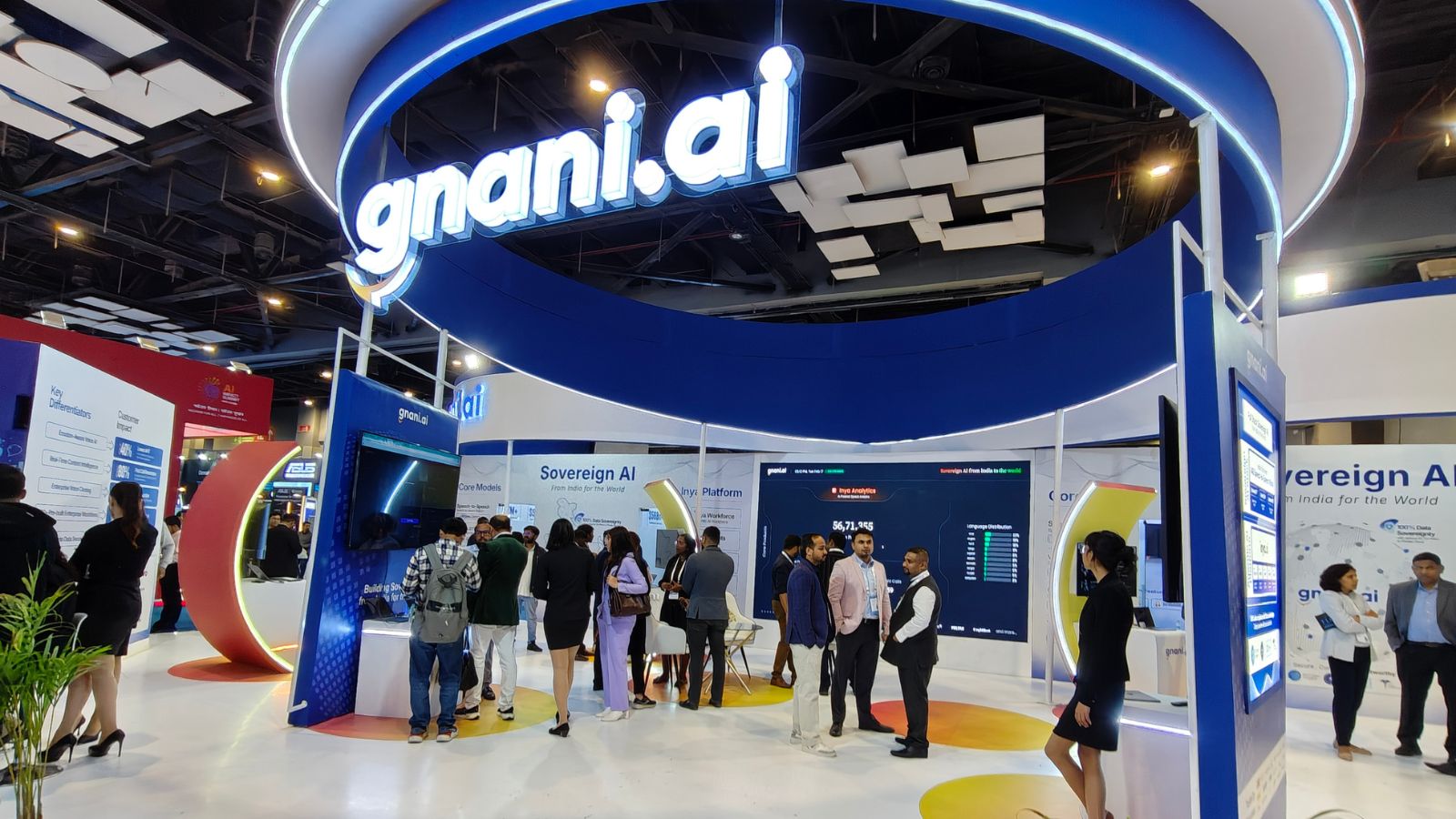
Gnani unveils sovereign AI stack ‘Artha’ featuring open-weight model, enterprise agents
Gnani's 'Artha' sovereign AI stack offers an Indian-language focus, similar to Sarvam AI's work highlighted here.
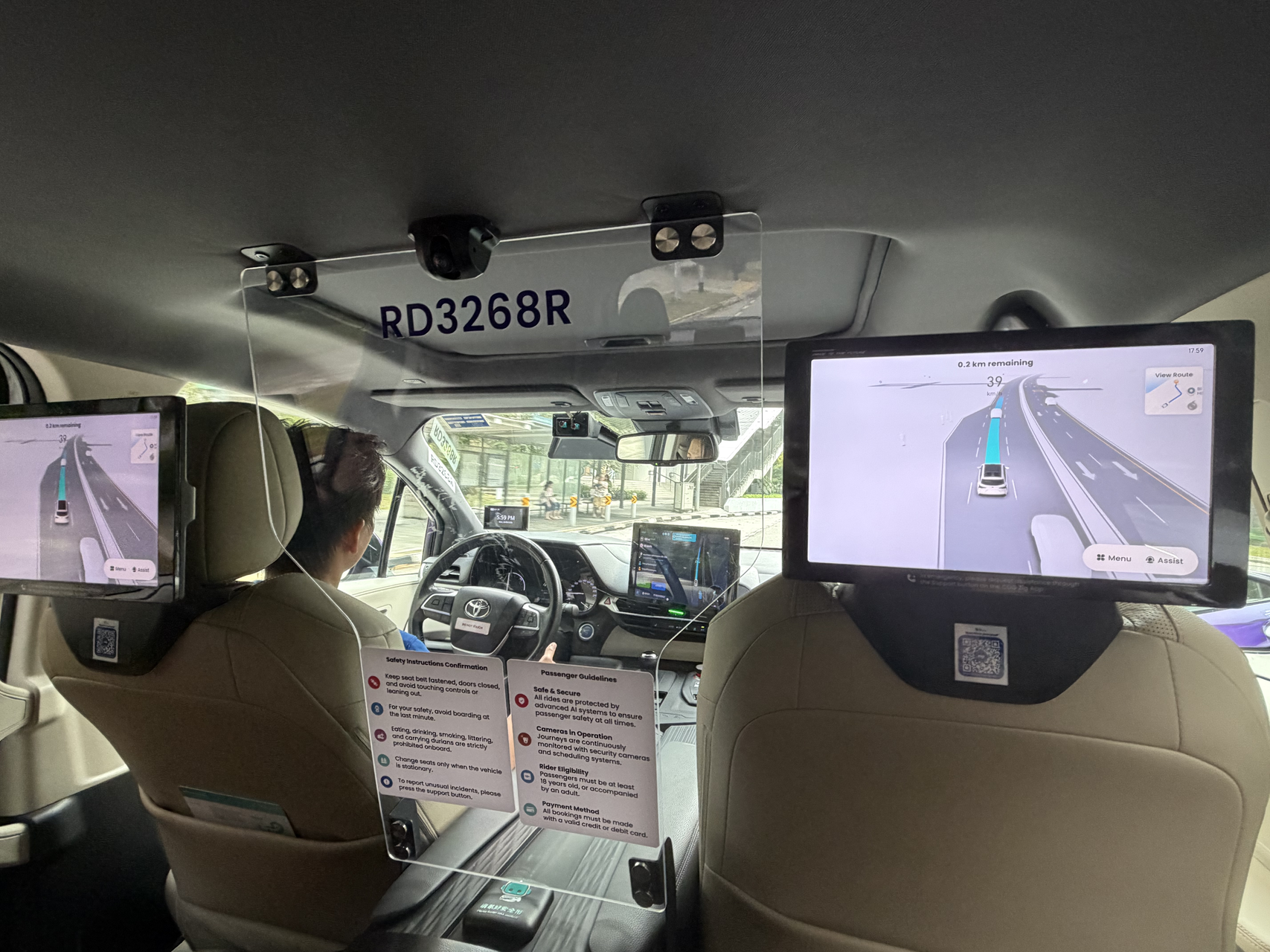
如果無人駕駛汽車已經可行,為何它們尚未普及?
《人民日報》駁斥美國惡意AI蒸餾指控,警告將採取反制措施

Databricks 將在新加坡投資逾 3.5 億美元,員工人數翻倍

隨著深度偽造風險增長,Sumsub 推出員工驗證方案