
What’s stopping Asia’s chipmakers from taking on Nvidia?
Asia's aspiring chipmakers face significant hurdles in their ambition to challenge industry giants like Nvidia. A primary constraint highlighted is the limited access to advanced foundry services, which are crucial for manufacturing sophisticated AI chips. Startups in the region often struggle to secure the necessary production capacity from leading foundries, which tend to prioritize larger, established players. This bottleneck impedes their ability to scale production and innovate at the pace required to compete globally. Overcoming these infrastructure limitations is essential for fostering a more competitive semiconductor ecosystem within Asia.
The challenges faced by Asian chipmakers in competing with Nvidia underscore a critical structural issue within the global semiconductor industry. The concentration of advanced foundry capabilities, particularly for leading-edge process nodes, creates a significant barrier to entry for new players and startups. This dynamic means that even with innovative designs and strong intellectual property, Asian startups may struggle to bring their products to market at scale, hindering regional innovation and potentially widening the technological gap with established Western firms.
This situation has broader implications for Asia's tech ecosystem. It highlights the need for increased investment in domestic foundry capabilities and strategic partnerships to ensure a more diversified and resilient supply chain. Furthermore, it could spur governments and private investors in the region to support initiatives aimed at developing indigenous talent and infrastructure, fostering a more self-sufficient semiconductor industry that can better compete on the global stage and reduce reliance on external manufacturing capacities.
相關文章
6 則Exynos tops Qualcomm? Rumors claim Exynos 2700 early tests are positive - Yahoo Tech
This piece explores the competitive landscape for Asian chipmakers, including the Exynos line mentioned here.
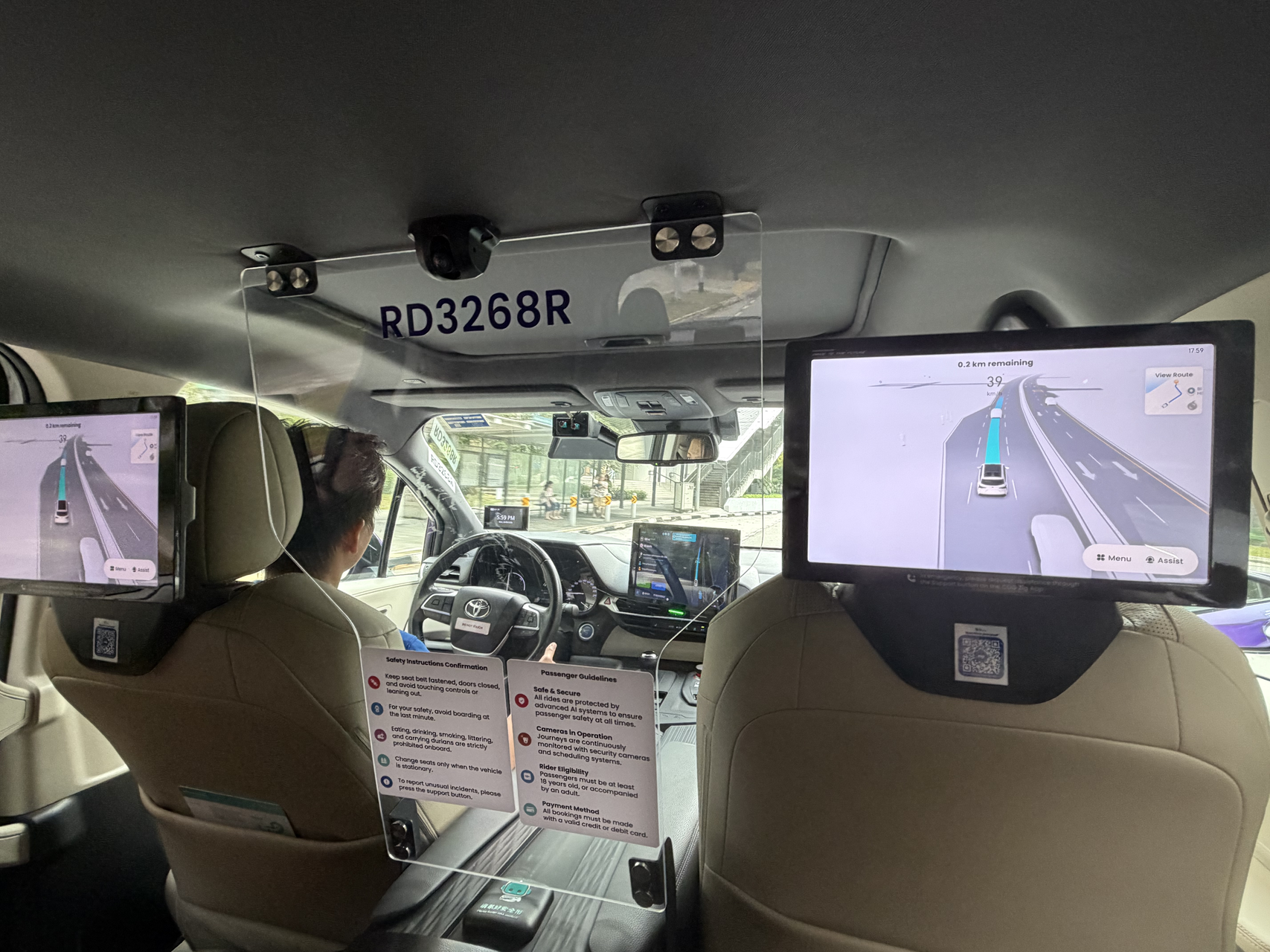
如果無人駕駛汽車已經可行,為何它們尚未普及?

Databricks 將在新加坡投資逾 3.5 億美元,員工人數翻倍

隨著深度偽造風險增長,Sumsub 推出員工驗證方案

Personetics 推出適用於客戶關係經理的 AI 銀行控制台
