
US efforts to secure AI supply chains are doomed to fail, says Chinese academic
A prominent Chinese political scientist argues that recent US initiatives aimed at securing AI supply chains are destined to fail. He contends that efforts to restrict US companies’ access to cost-effective Chinese models would ultimately backfire. Instead, the academic suggests that the United States and China should prioritize collaboration on global economic development. This cooperation, he believes, would generate the necessary external demand to sustain long-term growth for both nations. He specifically cited US frameworks like Pax Silica, the chip alliance, and the rare earth alliance as explicitly targeting third parties.
This perspective from a Chinese academic highlights the ongoing geopolitical tensions surrounding AI and semiconductor supply chains, a critical issue for Asia's tech ecosystem. The argument that US restrictions could backfire underscores the deep interdependence between the US and Chinese tech sectors, particularly in areas like AI model development and manufacturing. For many Asian economies, navigating this US-China dynamic is paramount, as they often serve as key nodes in these very supply chains, producing components or hosting manufacturing facilities that cater to both markets.
The call for US-China collaboration on global economic development is significant. It suggests a potential path away from a purely confrontational approach, advocating instead for a strategy that could benefit broader global growth and, by extension, create more opportunities for Asian tech companies. The named US initiatives, such as the chip and rare earth alliances, directly impact the strategic planning and investment decisions of companies across Asia, influencing everything from R&D priorities to supply chain diversification efforts. This ongoing debate will continue to shape the regional tech landscape, compelling governments and businesses to adapt to evolving policy environments.
相關文章
6 則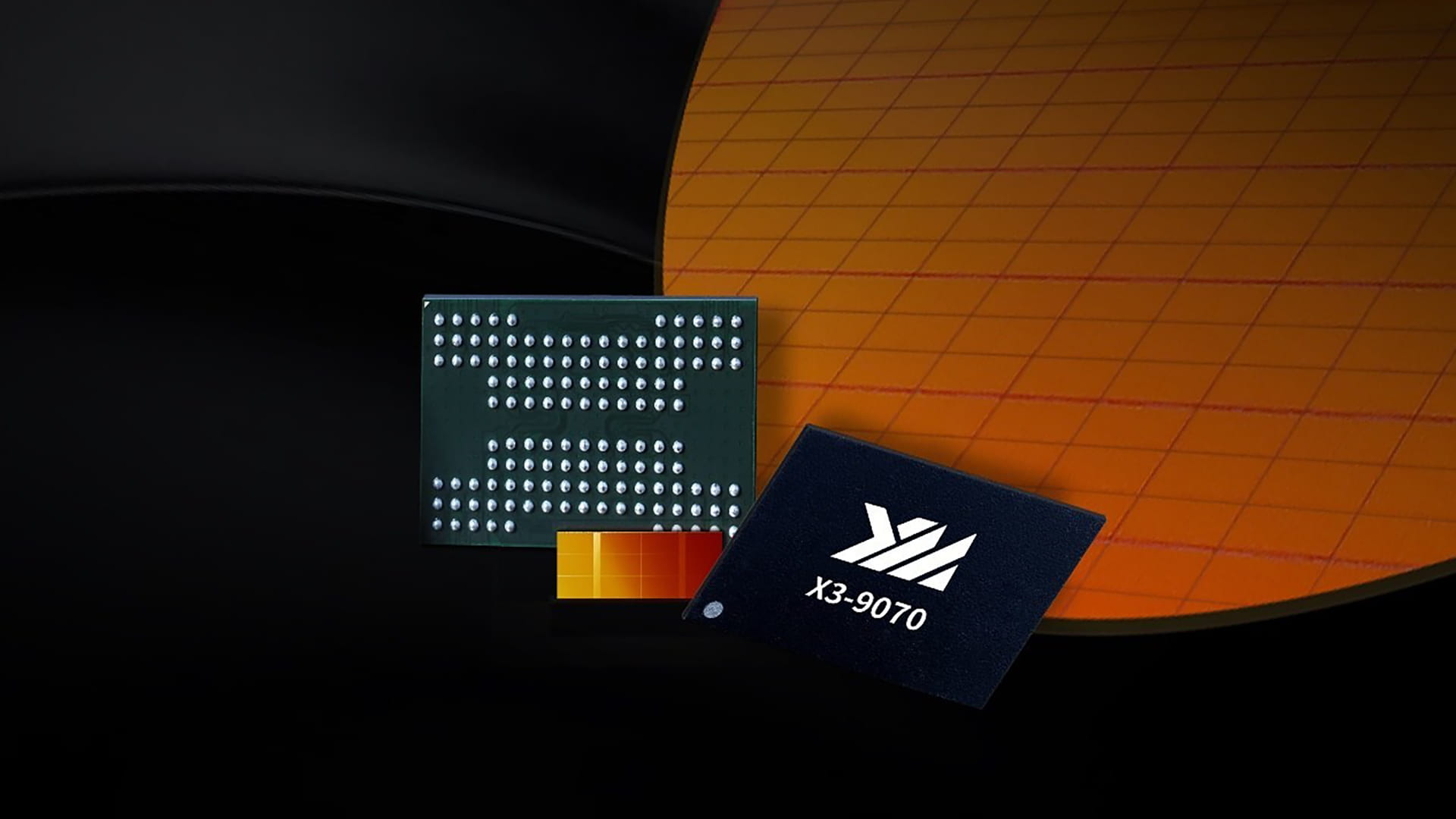
YMTC parent seeks USD 4.9 billion Shanghai IPO on AI memory boom
We previously covered YMTC's IPO plans, highlighting the intense competition in the AI memory sector.
Why is Xiaomi doubling down on in-house chips amid a profit slump?
Xiaomi's push for in-house chips shows another facet of Asia's drive for semiconductor self-reliance.
《人民日報》駁斥美國惡意AI蒸餾指控,警告將採取反制措施

Databricks 將在新加坡投資逾 3.5 億美元,員工人數翻倍

Personetics 推出適用於客戶關係經理的 AI 銀行控制台
